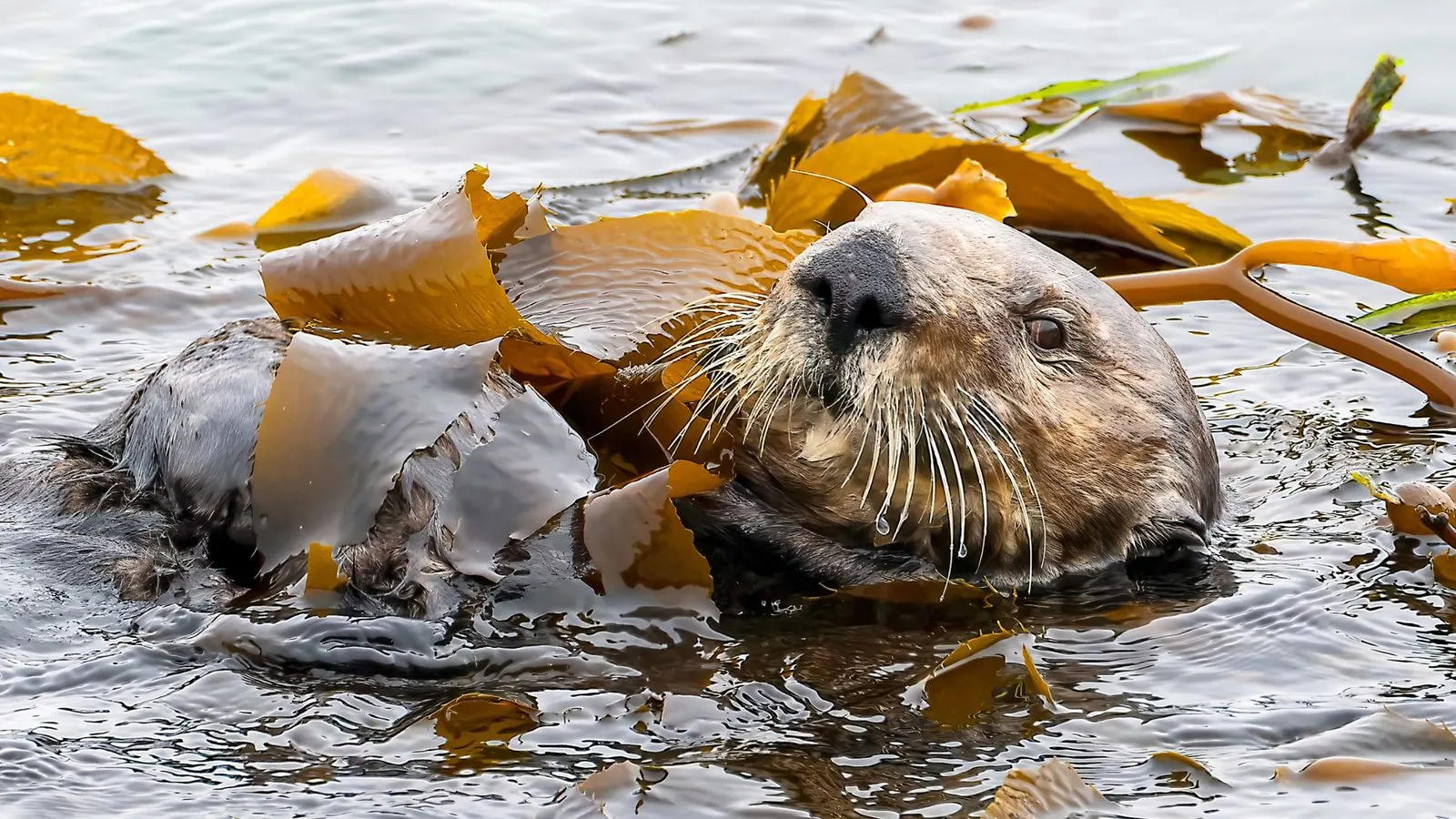
The best aquariums do far more than show off fish. They rescue and raise wild animals for release, hold endangered species safe while their homes recover, and help shape what people choose to eat. Three examples from the United States show how that work plays out in the real ocean.
Sea otter pups with surrogate mothers
The Monterey Bay Aquarium in California has worked with southern sea otters for more than 40 years. After years of trying to rehabilitate stranded otters, its team found a new approach: pairing orphaned pups with experienced surrogate mothers. These foster mothers are otters that live at the aquarium and cannot be released themselves. They teach the pups the skills they need, and the pups are then released into the wild.
The method works. A study published in the journal Oryx looked at 15 years of the program. It found that surrogate-reared pups survived and had young at rates similar to wild-raised otters, and that most stayed in Elkhorn Slough, the estuary where they were released.
How otters fixed an estuary
Elkhorn Slough became a striking success story. Between 2001 and 2016, the aquarium released 37 surrogate-reared otters there. Those otters and their offspring made up more than half of the slough’s otter population growth during that time.
The effects spread through the whole estuary. The otters eat invasive crabs, which lets sea slugs thrive. The sea slugs graze on algae that would otherwise smother the eelgrass. With the algae kept in check, eelgrass beds have recovered, helping to stabilize shorelines, reduce erosion and improve water quality.
Sea otters are a keystone species, which means they have an outsized effect on their surroundings. Their feeding helps keep kelp forests healthy and supports eelgrass meadows. According to the aquarium, the southern sea otter population has grown to around 3,000, though it remains vulnerable to shark bites, habitat loss, pollution, disease and changes in its food supply. The researchers believe releasing surrogate-reared pups into other coastal estuaries could help rebuild otter numbers elsewhere.
A lifeboat for Florida’s corals
Sometimes an aquarium’s job is to act as an ark. Between 2014 and 2022, an unprecedented disease outbreak swept through Florida’s reefs. Called stony coral tissue loss disease, it caused widespread deaths in more than 20 Caribbean coral species.
In response, the Florida Fish and Wildlife Conservation Commission and the National Oceanic and Atmospheric Administration (NOAA) set up a rescue project in close partnership with the Association of Zoos and Aquariums. Teams collected corals and moved them into holding facilities on land, where they could not be infected. The state agency says about 3,000 corals of 20 species have been rescued from more than 200 reef sites. They are kept at 25 land-based facilities in 14 states, including accredited aquariums and zoos, research centers, nonprofits and universities.
Holding the corals is only the start. The aim is to breed them so their offspring can be planted back on Florida’s reef. So far, 15 species of rescued corals have been spawned and propagated, a first for Florida corals.
Changing what people eat
Aquariums also try to protect the ocean through the choices their visitors make. The Monterey Bay Aquarium runs Seafood Watch, a program that uses science-based standards to rate how fisheries and fish farms around the world affect the environment.
The ratings work like a traffic light. Green means Best Choice, yellow means Good Alternative, and red means the seafood should be avoided. The aquarium points out that seafood provides food and jobs for more than three billion people, but that it is a limited resource and the way it is caught or farmed matters.
The program reaches well beyond one building. Its network of major business partners includes 14 large companies in retail, restaurants, meal kits and pet food, covering more than 15,000 locations. More than 250 zoos, aquariums, science museums and other conservation groups promote Seafood Watch through their exhibits and events, and many also pledge to feed sustainable seafood to their own animals.
More than a day out
A visit to an aquarium can be simple fun. But behind the glass, the same institutions are raising otters for the wild, keeping rare corals alive until their reef can take them back and nudging the seafood trade toward better practices. For ocean wildlife, that work reaches far past the tanks.
Article Sources
- Sea otter recovery program | Monterey Bay Aquarium
- Surrogate-Reared Sea Otters Helped Restore Threatened Population | Environment Coastal & Offshore
- Aquarium aids sea otter comeback | The Wildlife Society
- Florida Coral Rescue | Florida Fish and Wildlife Conservation Commission
- Seafood Watch | Monterey Bay Aquarium