Archive
October 2026
-
 Pets & Zoos
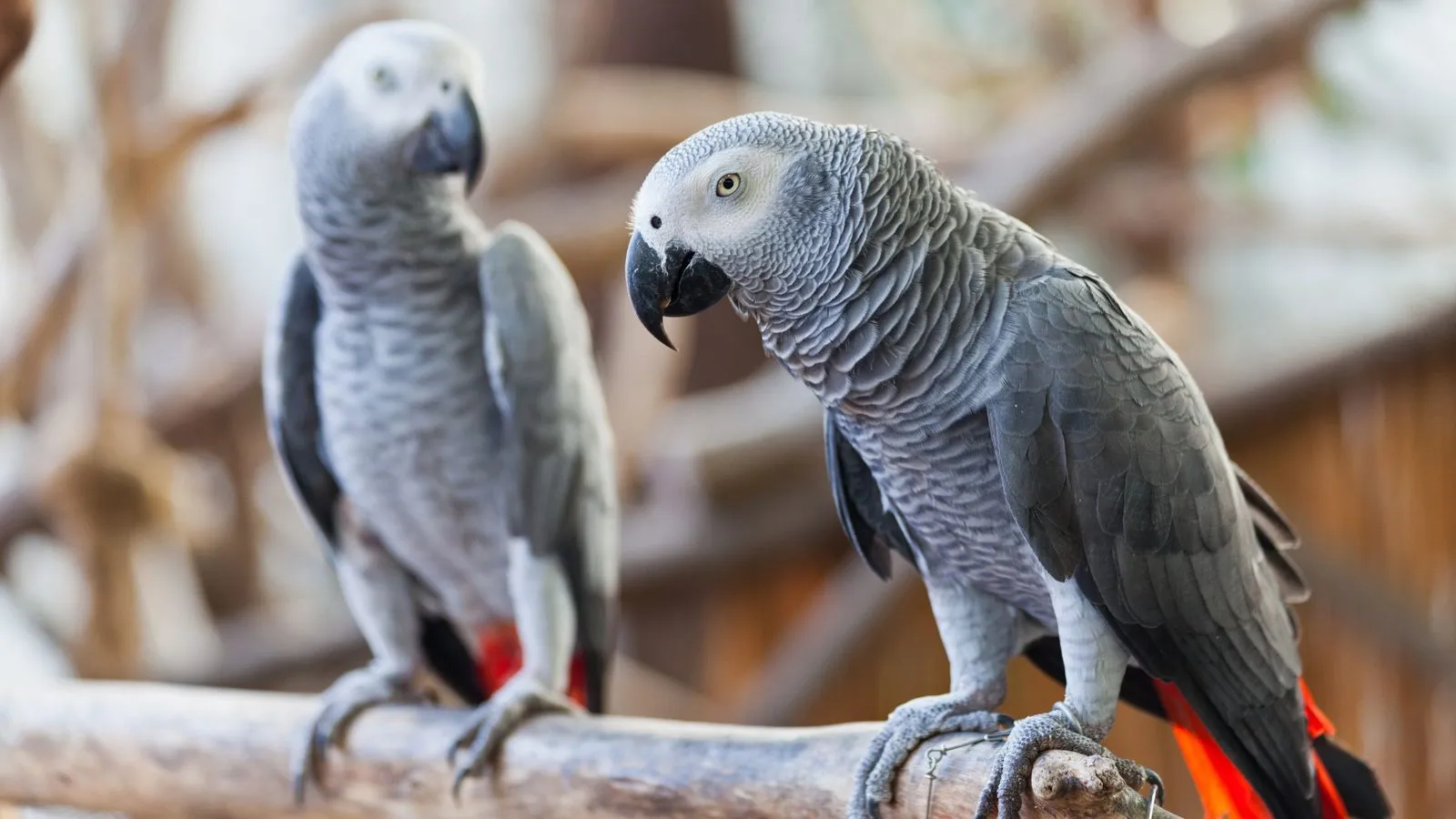
Why Do Parrots Talk?
Parrots copy our words for the same reason wild parrots share calls: to fit in with the flock. A special brain structure helps them do it.
-
 Bugs & Creepy Crawlies
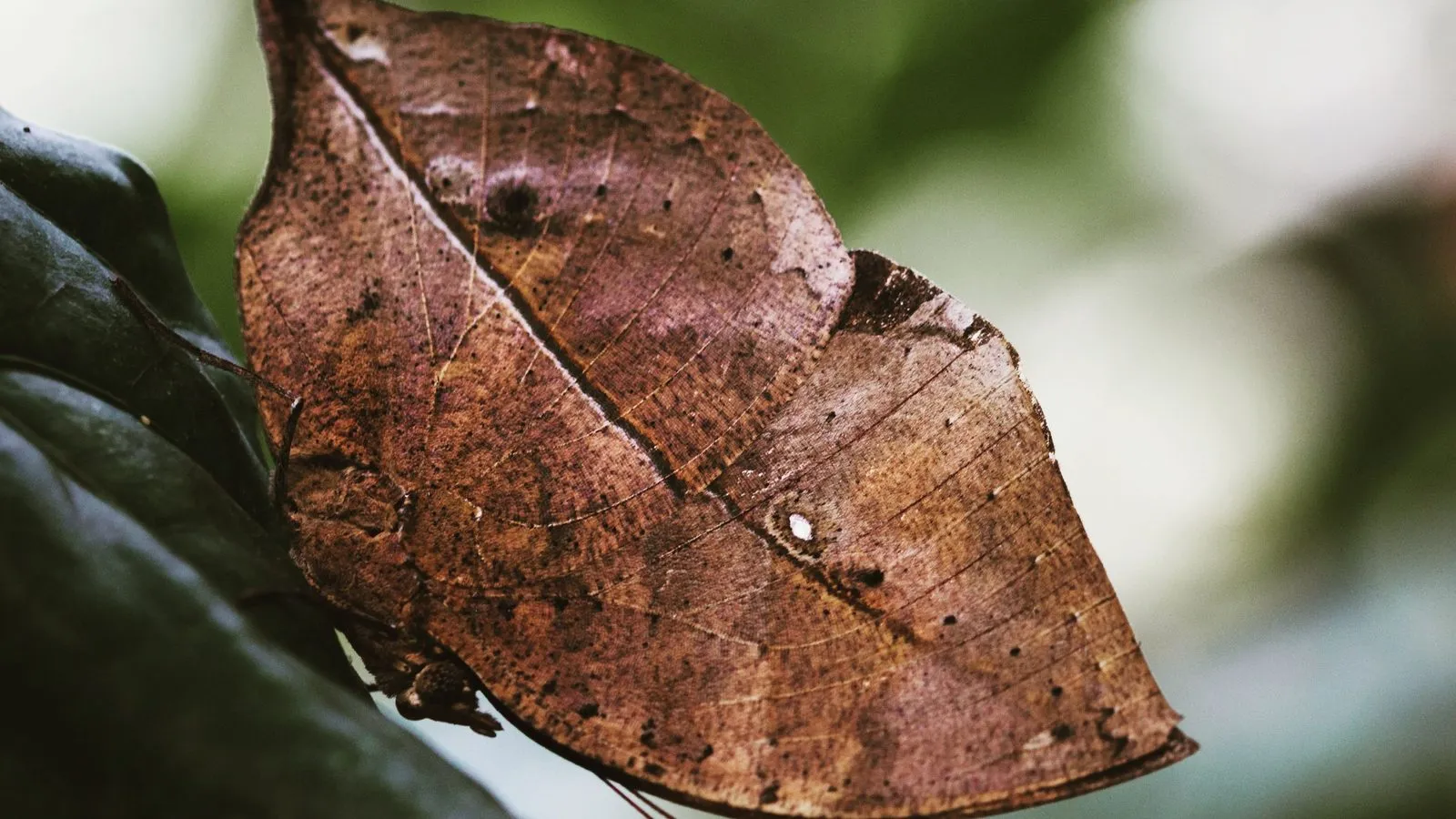
Insects That Use Camouflage to Hide
From butterflies that look like dead leaves to caterpillars that sense color through their skin, these insects survive by not being seen.
-
 Endangered
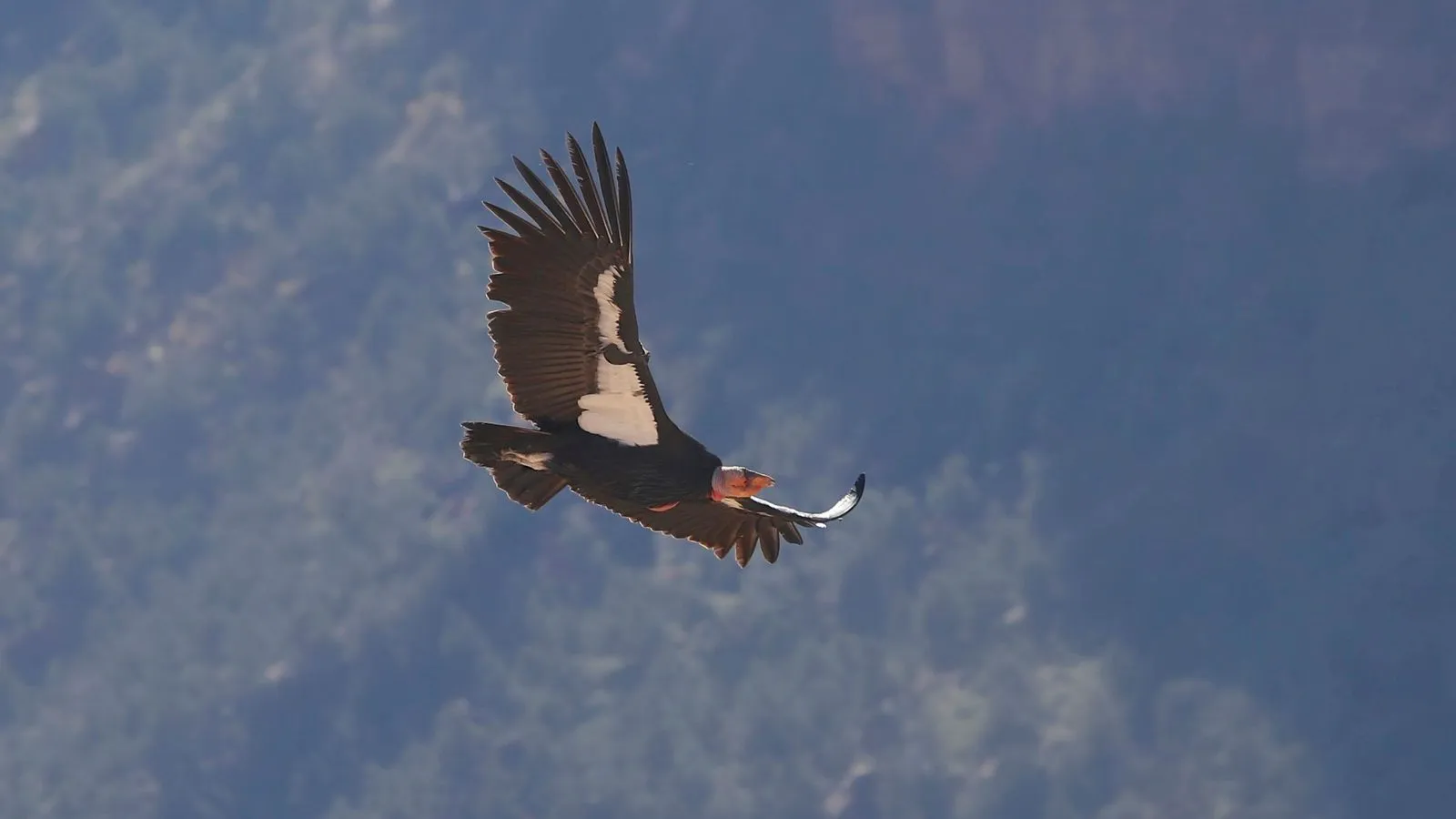
Animals Saved From the Brink by Conservation
From 23 condors to more than 600, and from 62 grown lynx to over 2,000 lynx, these animals show what conservation can do.
-
 Extinct
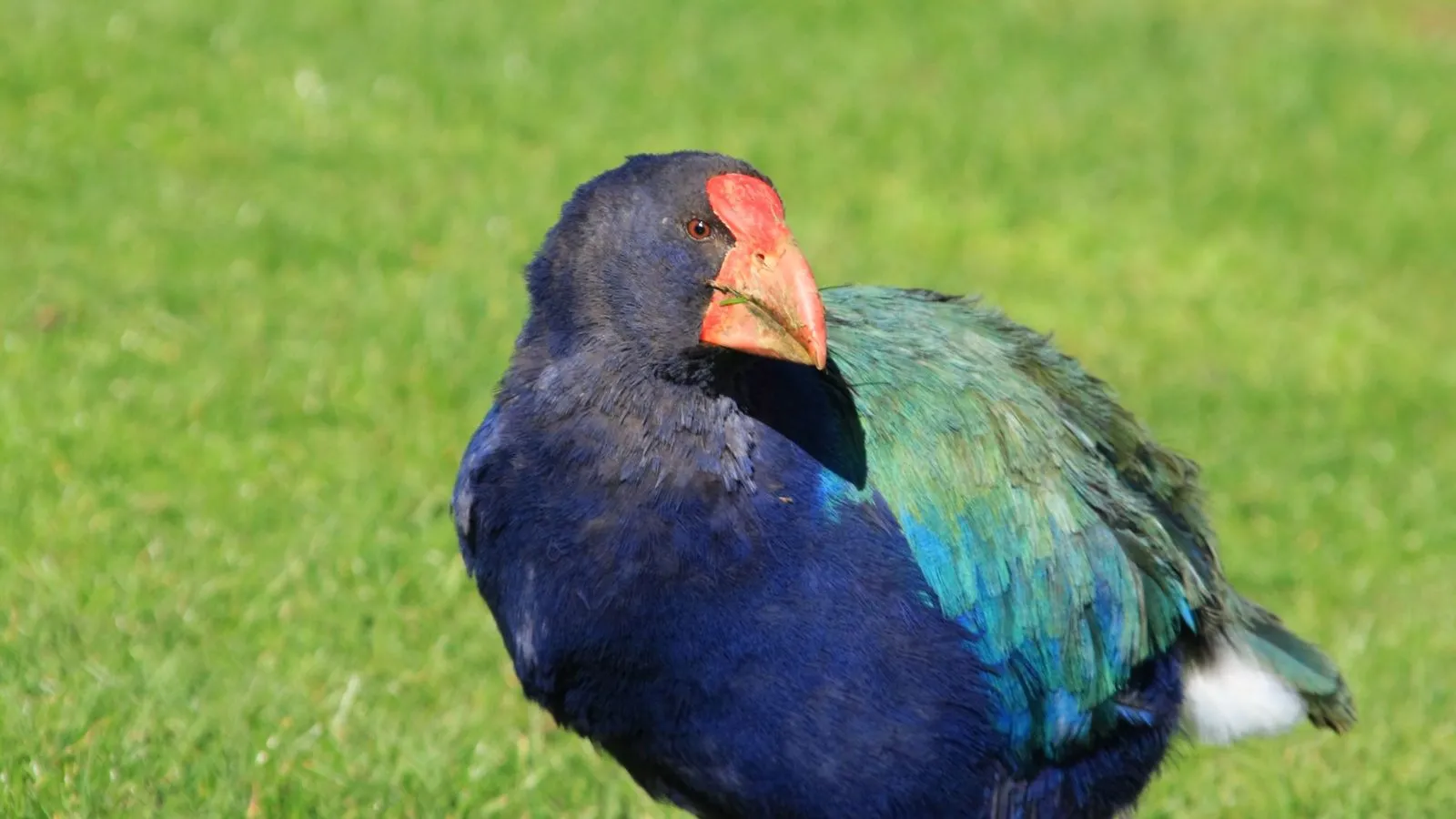
Animals Declared Extinct That Were Found Again
A fish thought gone for 70 million years, a bird missing for nearly 50 and the world's biggest bee: five animals written off as extinct that turned up alive.
September 2026
-
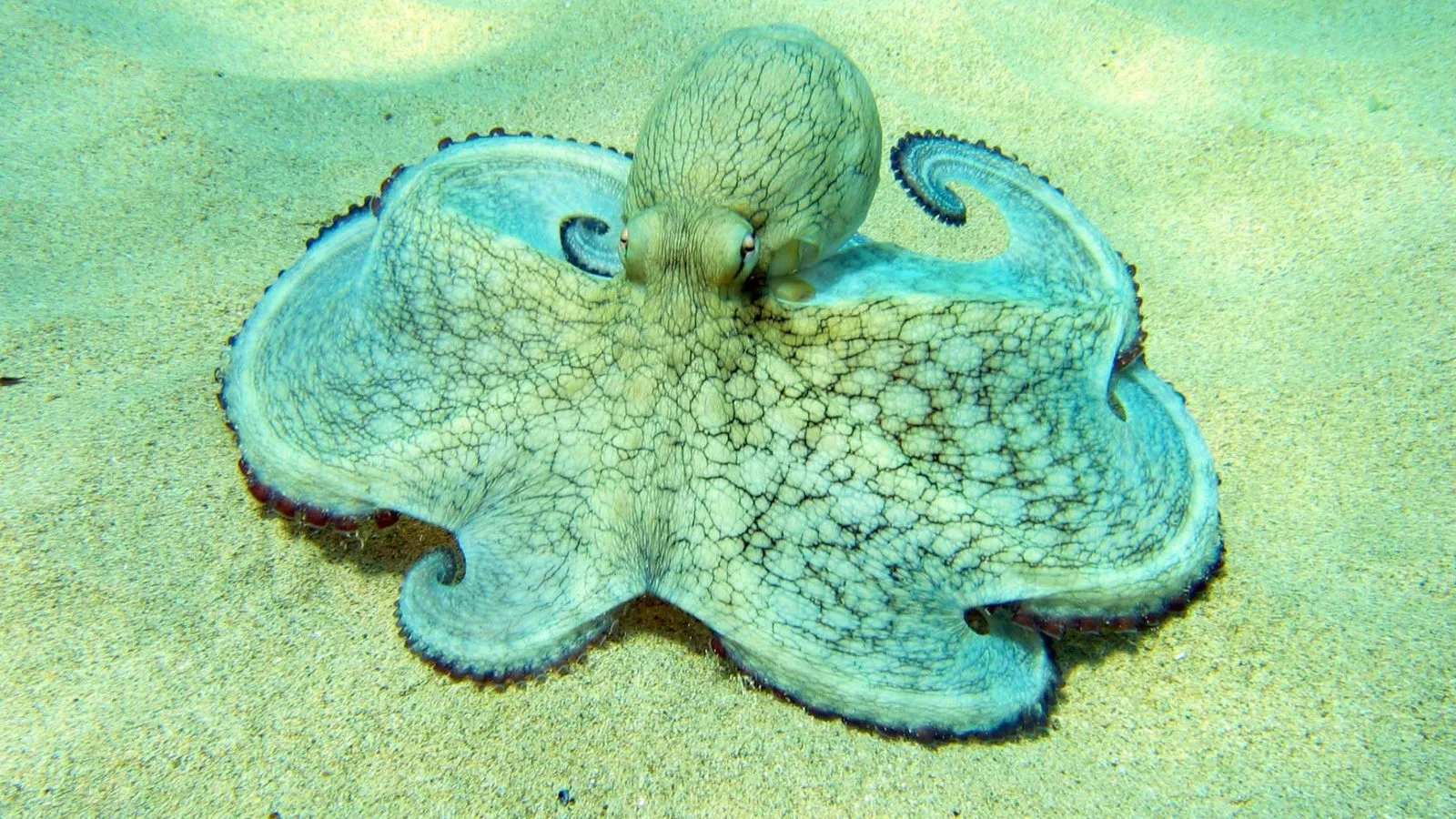 Ocean
How Do Octopuses Change Color?
Octopuses change color using thousands of tiny pigment sacs in their skin, each one pulled open by muscles that answer to the brain.
-
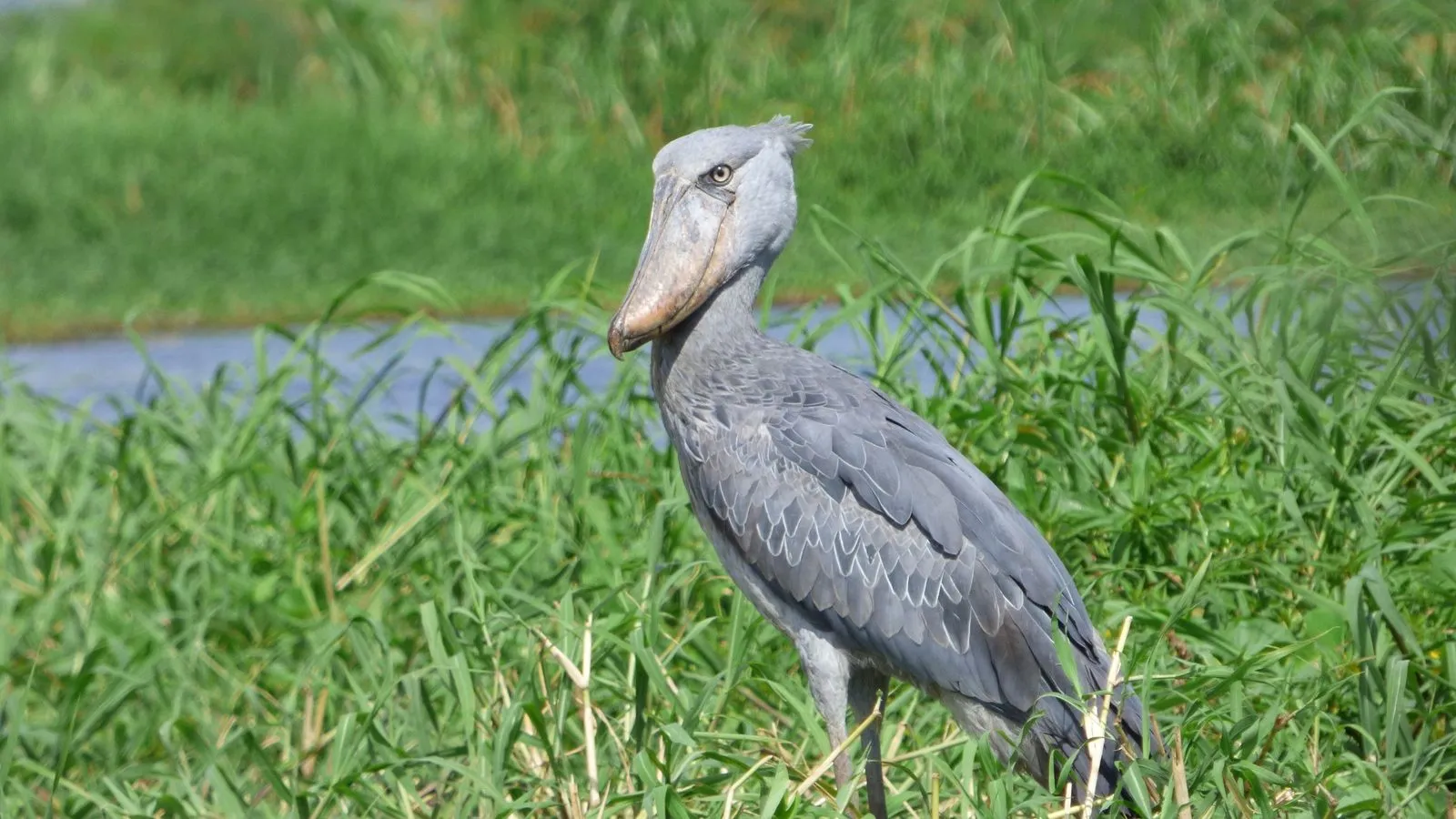 Weird Animals
The Shoebill: Africa's Prehistoric-Looking Bird
The shoebill has a bill like a Dutch clog and can stand still for hours waiting for a lungfish. Meet the Vulnerable giant of Africa's swamps.
-
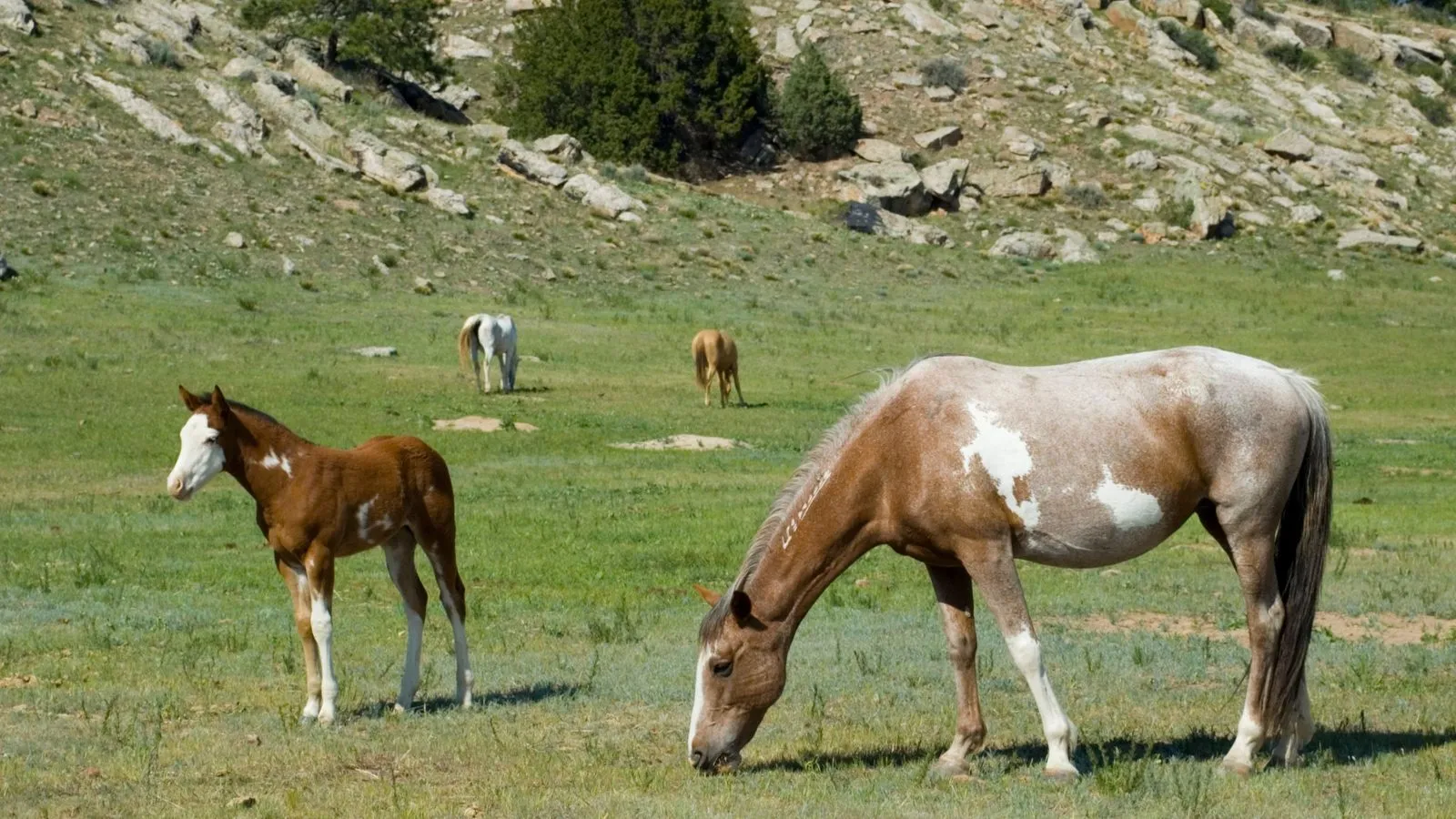 Pets & Zoos
Animal Sanctuaries Versus Zoos: The Difference
A true sanctuary gives rescued animals care for life and does not breed or trade them. Zoos breed animals in planned programs. Here is how they differ.
-
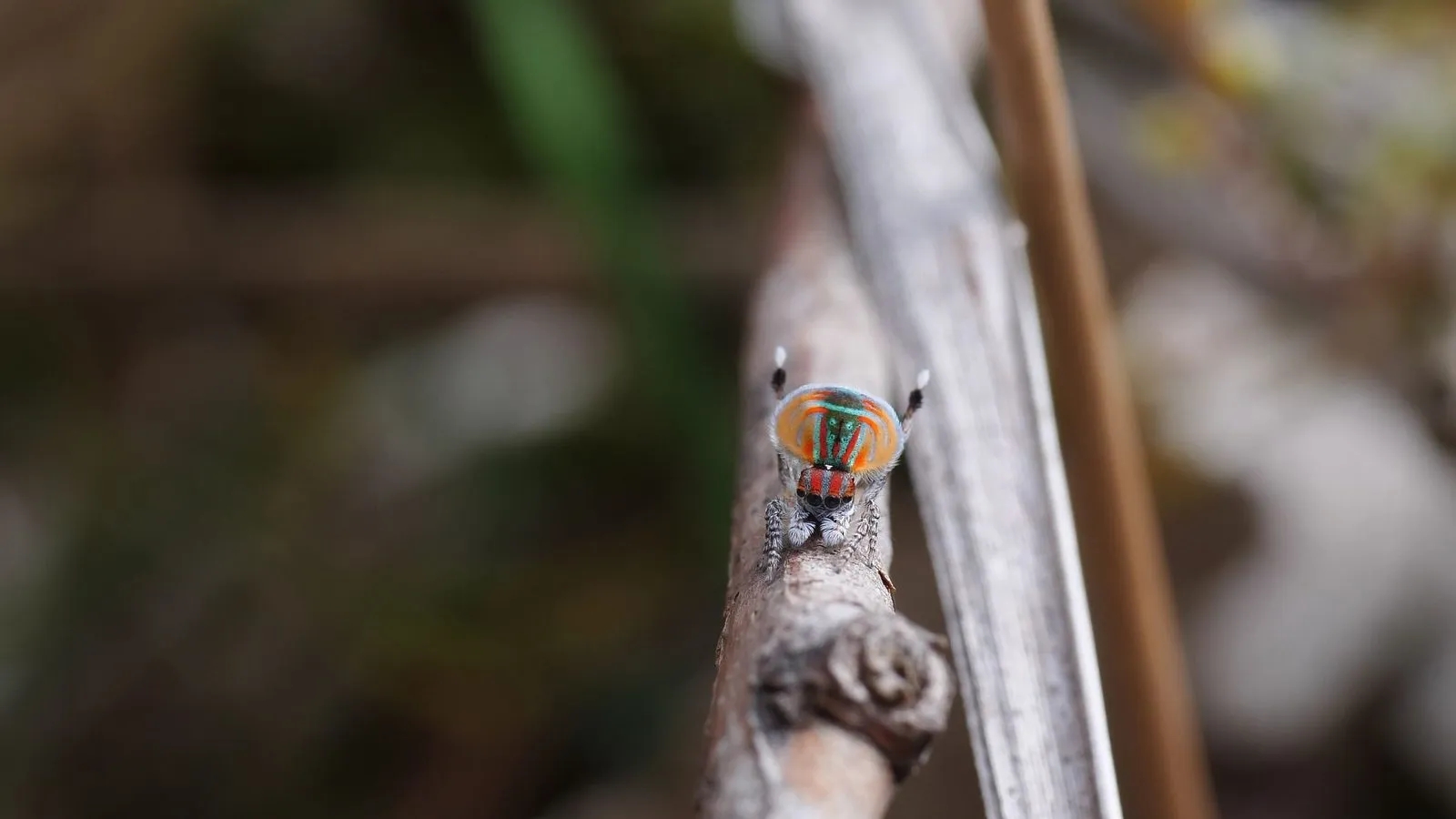 Bugs & Creepy Crawlies
Peacock Spiders and Their Dance
Male peacock spiders of Australia raise colorful fans and wave their legs to win a mate. Females are hard to impress, and the stakes are high.
-
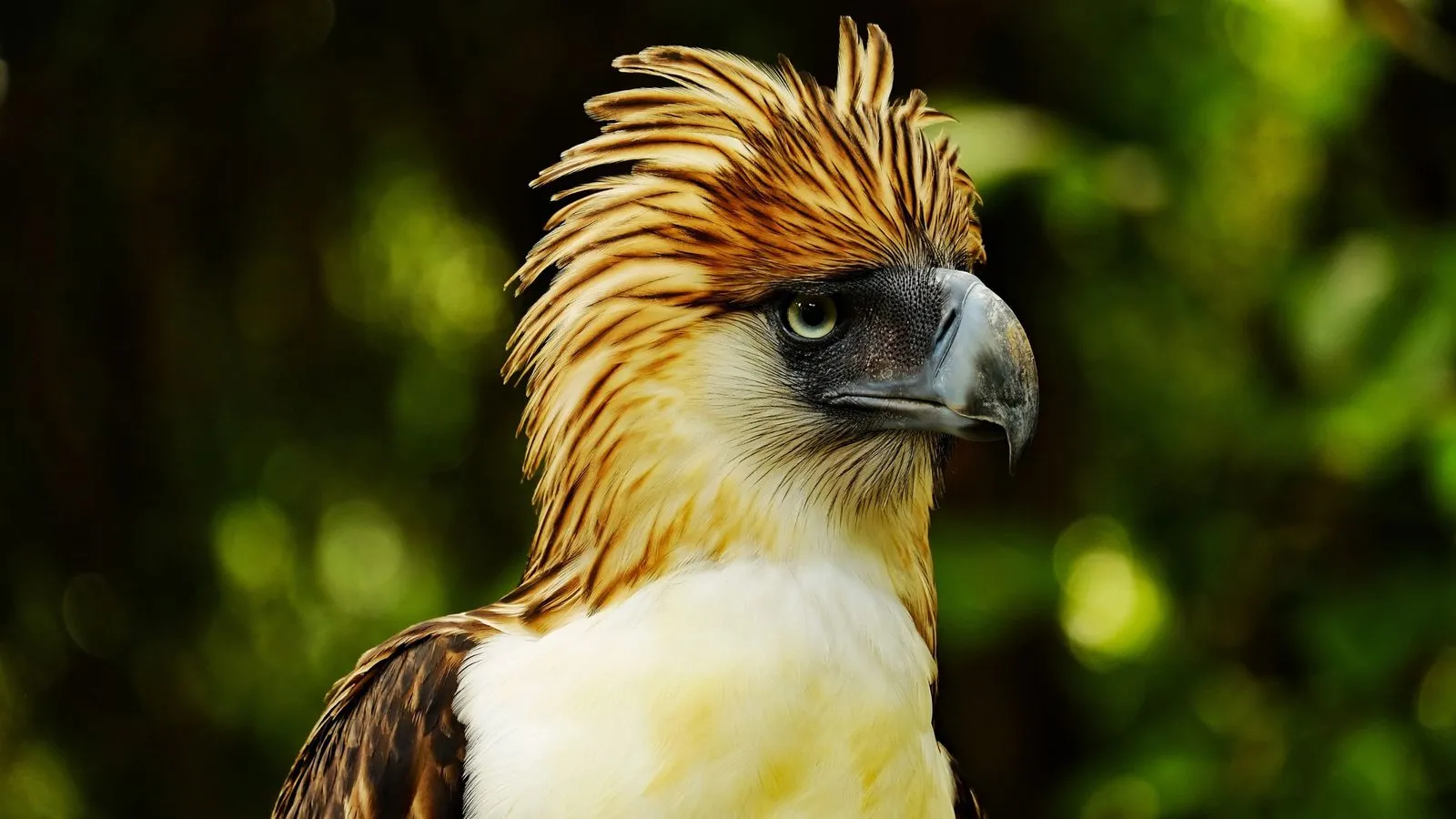 Endangered
The Philippine Eagle: The Monkey-Eating Giant
Once called the monkey-eating eagle, the Philippines' national bird may number as few as 64 pairs. Meet one of the rarest eagles on Earth.
-
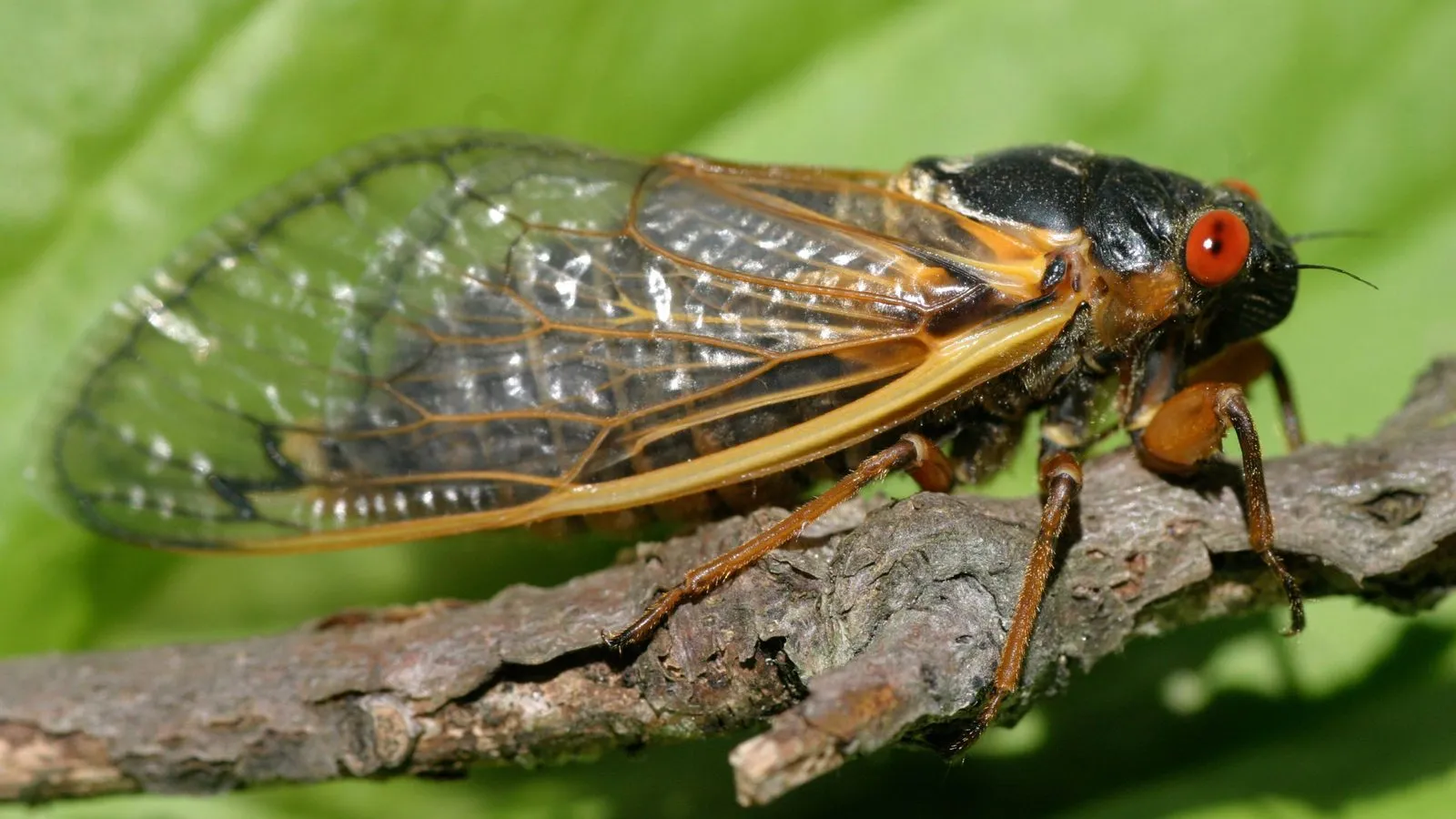 Bugs & Creepy Crawlies
Cicadas That Wait 17 Years Underground
Periodical cicadas spend 17 years sucking sap from tree roots in the dark, then climb out by the millions in a few nights. Here is how and why they do it.
-
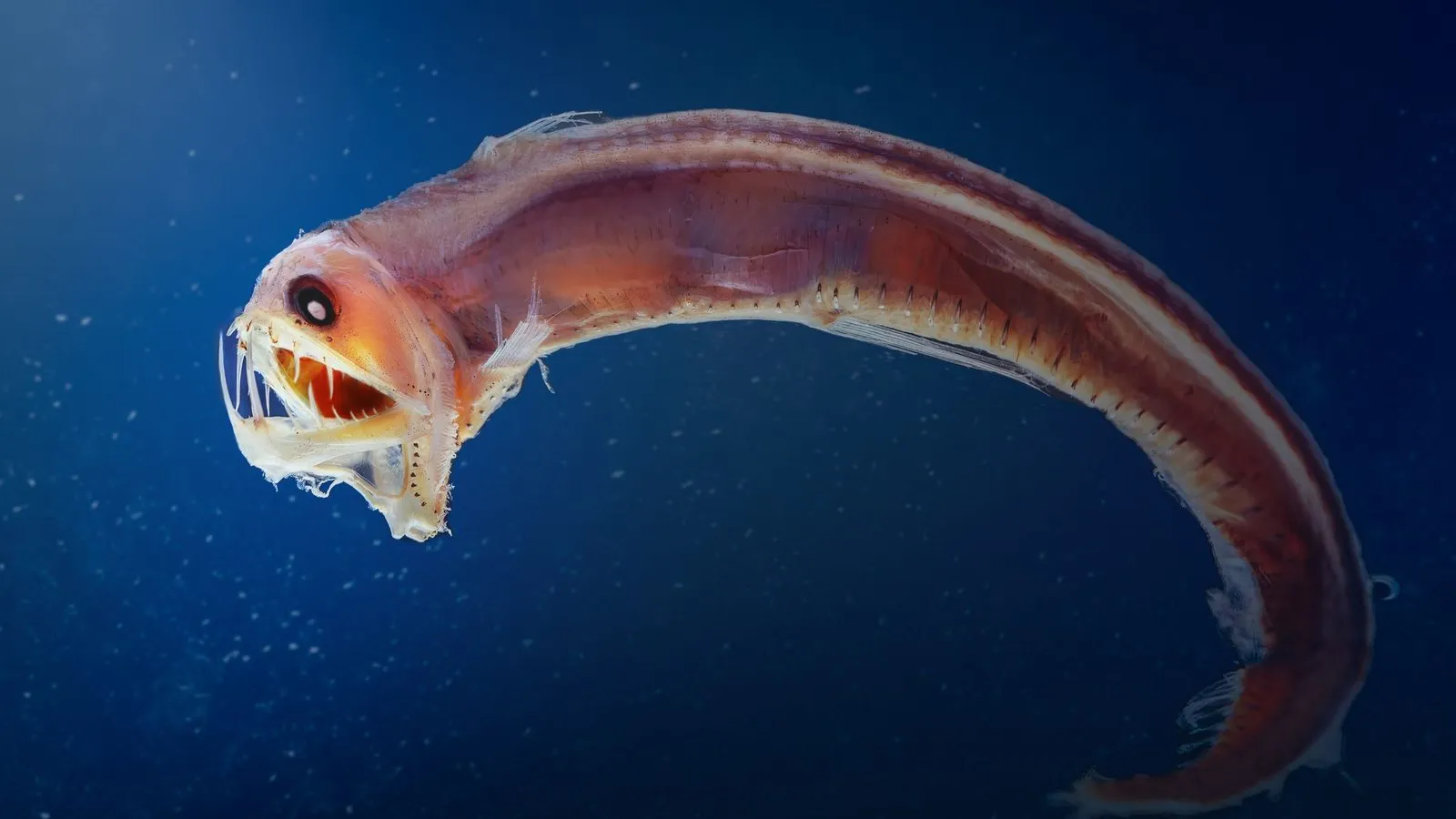 Ocean
Deep-Sea Creatures of the Midnight Zone
Below 1,000 meters, sunlight never reaches. Meet six strange animals that hunt, hide and glow in the ocean's midnight zone.
-
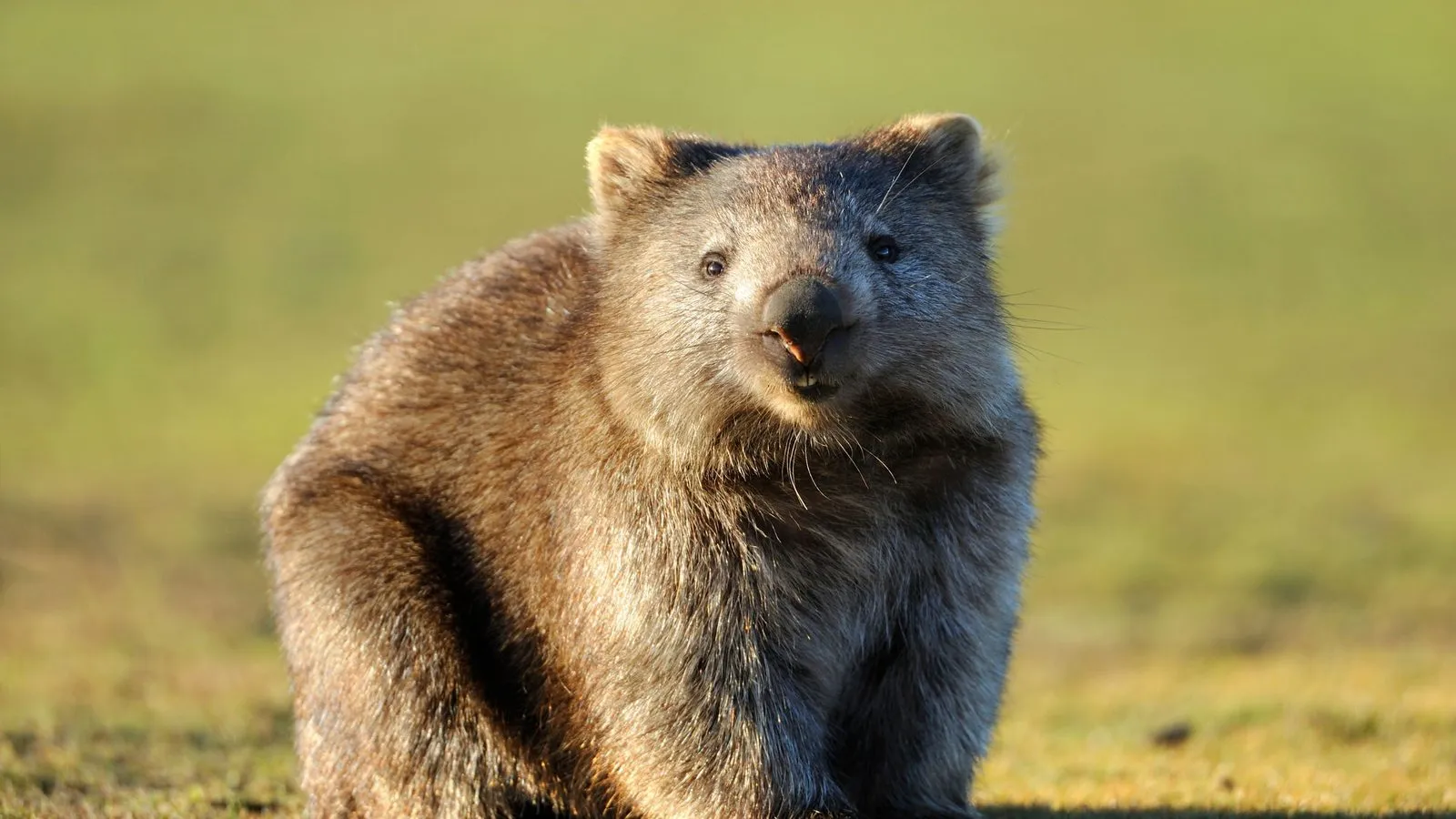 Weird Animals
Why Do Wombats Make Cube-Shaped Poop?
Wombats leave cube-shaped droppings thanks to stiff and stretchy bands in their intestines. Here is how scientists cracked the puzzle, and why it helps.
-
 Pets & Zoos
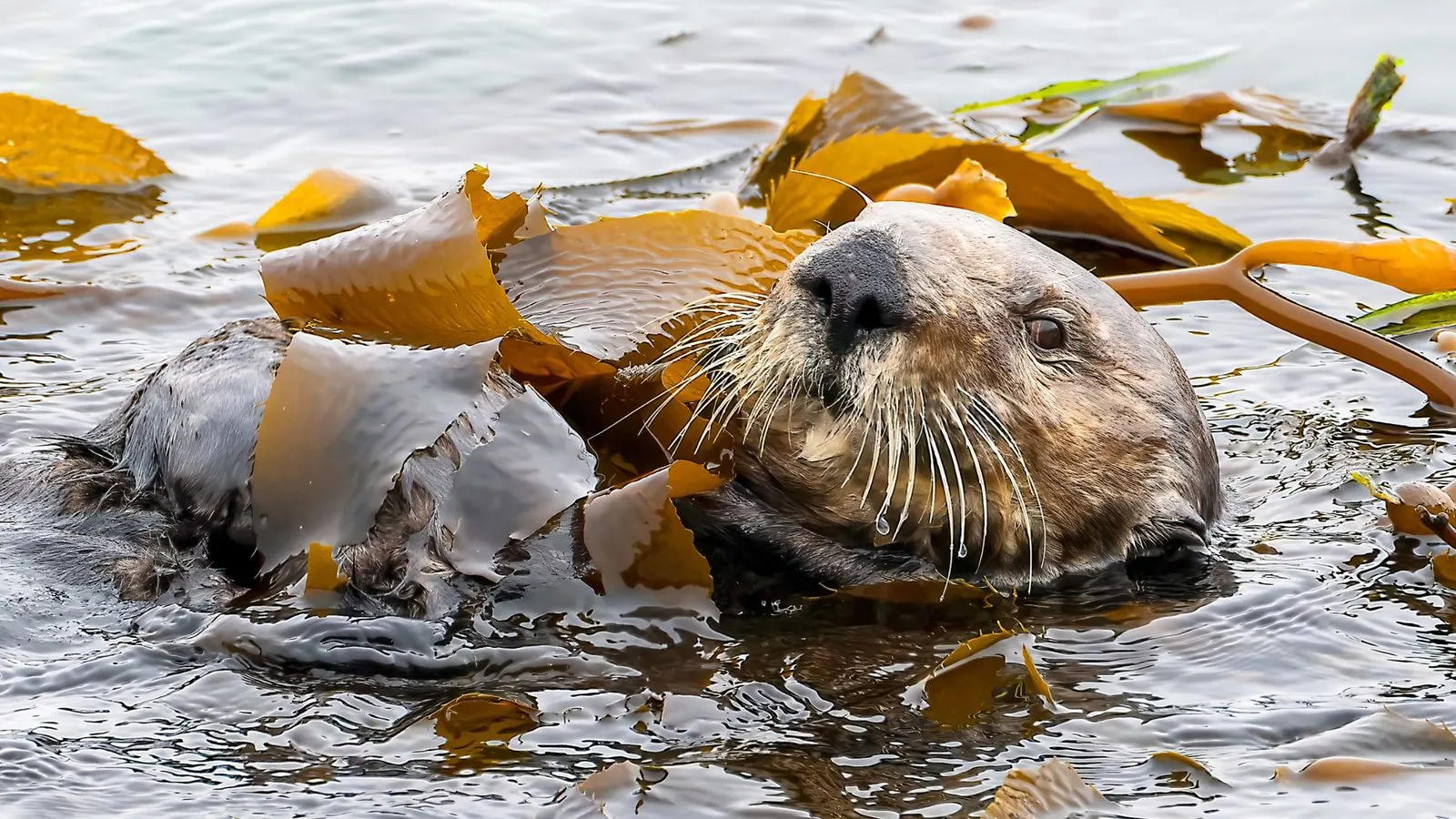
What Aquariums Do for Ocean Conservation
Surrogate sea otter mothers, rescued Florida corals and seafood ratings: how aquariums work to protect ocean wildlife beyond their tanks.
-
 Bugs & Creepy Crawlies
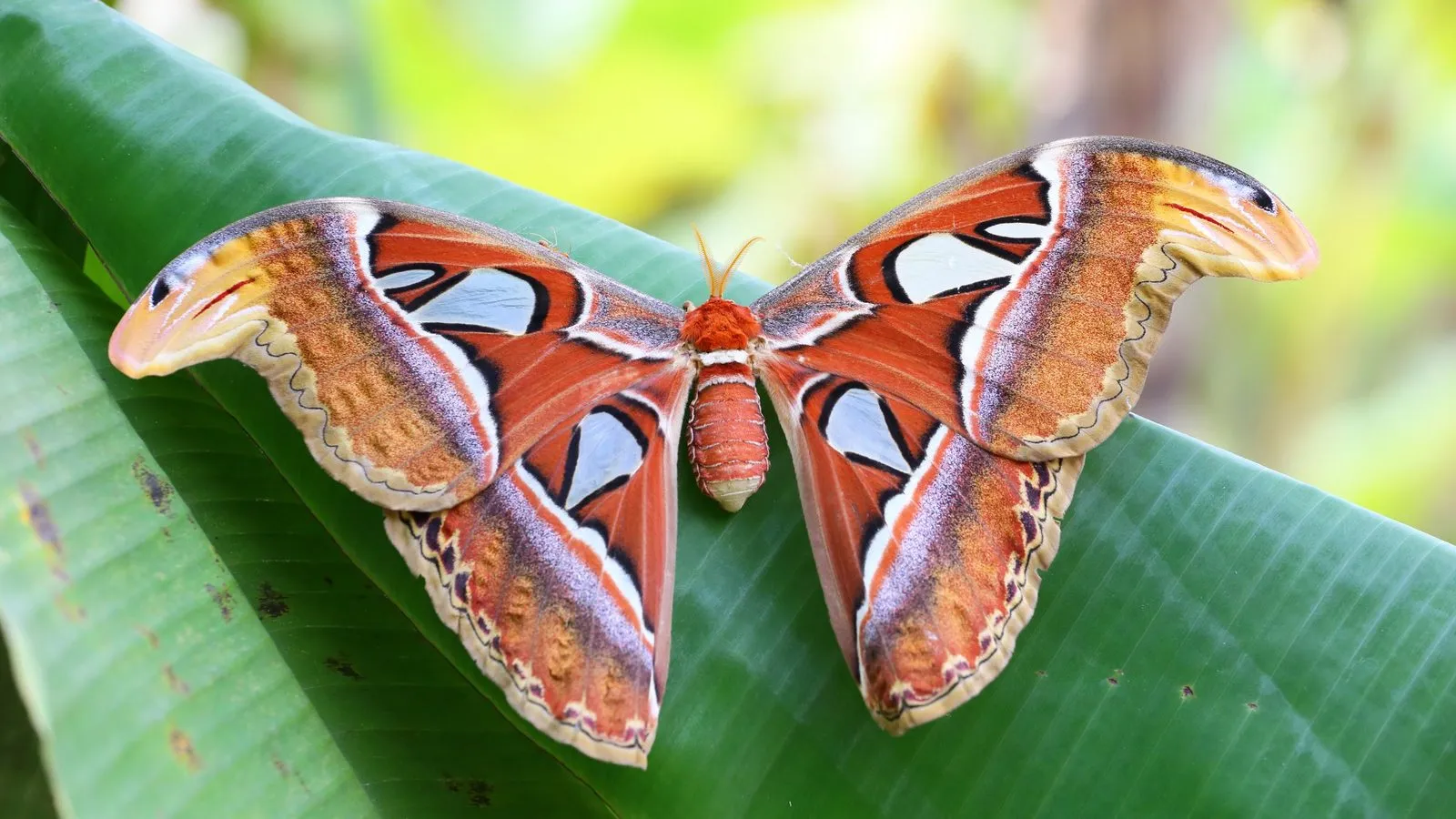
The Atlas Moth: Wings Like a Cobra's Head
The giant Atlas moth of Asia has wingtips shaped like snake heads, lives only a week or two as an adult, and never eats once it has wings.
-
 Endangered
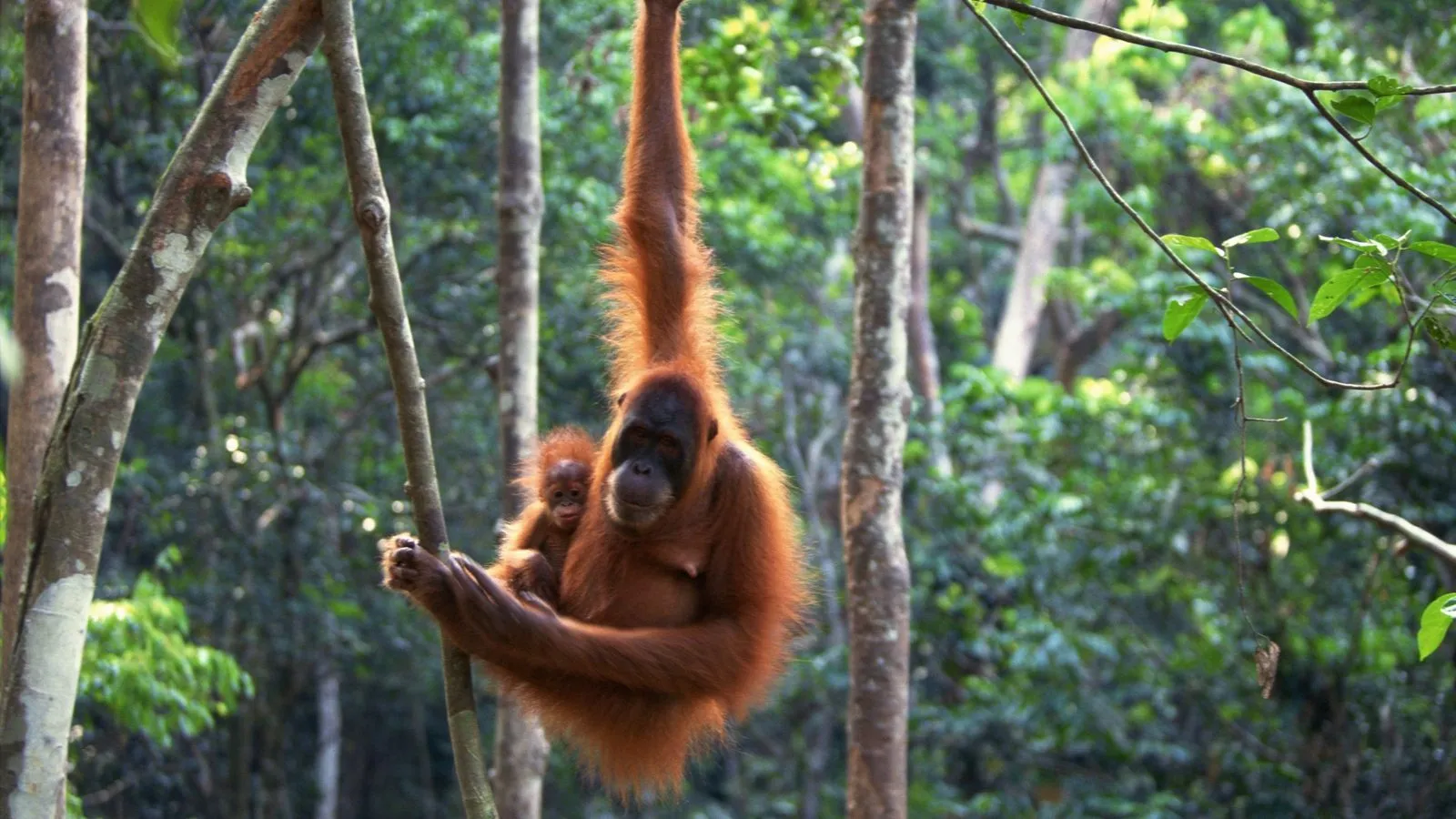
The Sumatran Orangutan Under Pressure
About 13,846 Sumatran orangutans live in the forests of northern Sumatra. Plantations, roads and illegal killing are pushing them toward the edge.
-
 Extinct
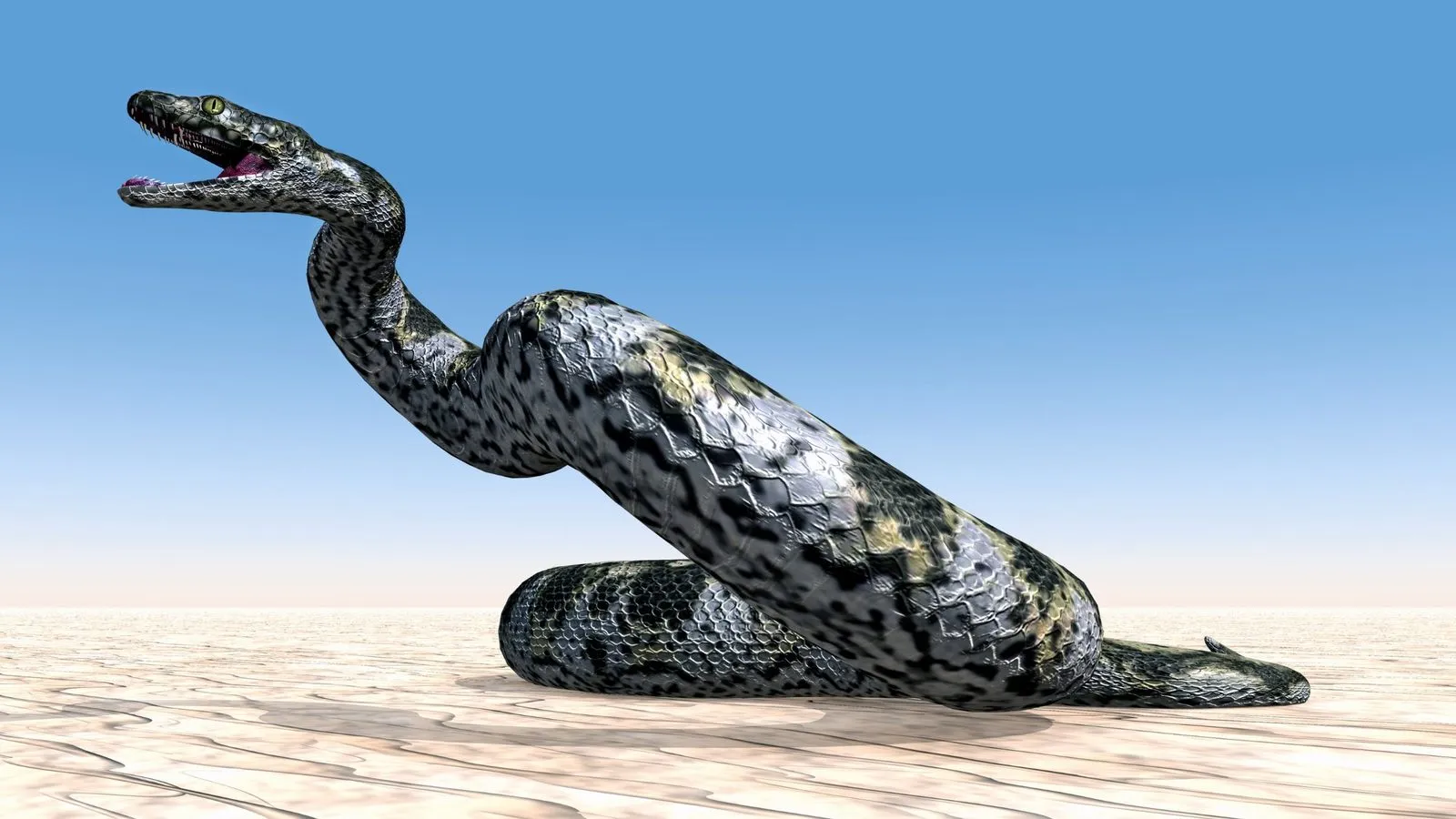
Titanoboa: The Snake as Long as a Bus
About 60 million years ago, a boa around 13 meters long and weighing more than a ton lived in Colombia. Meet Titanoboa, the biggest snake known.
-
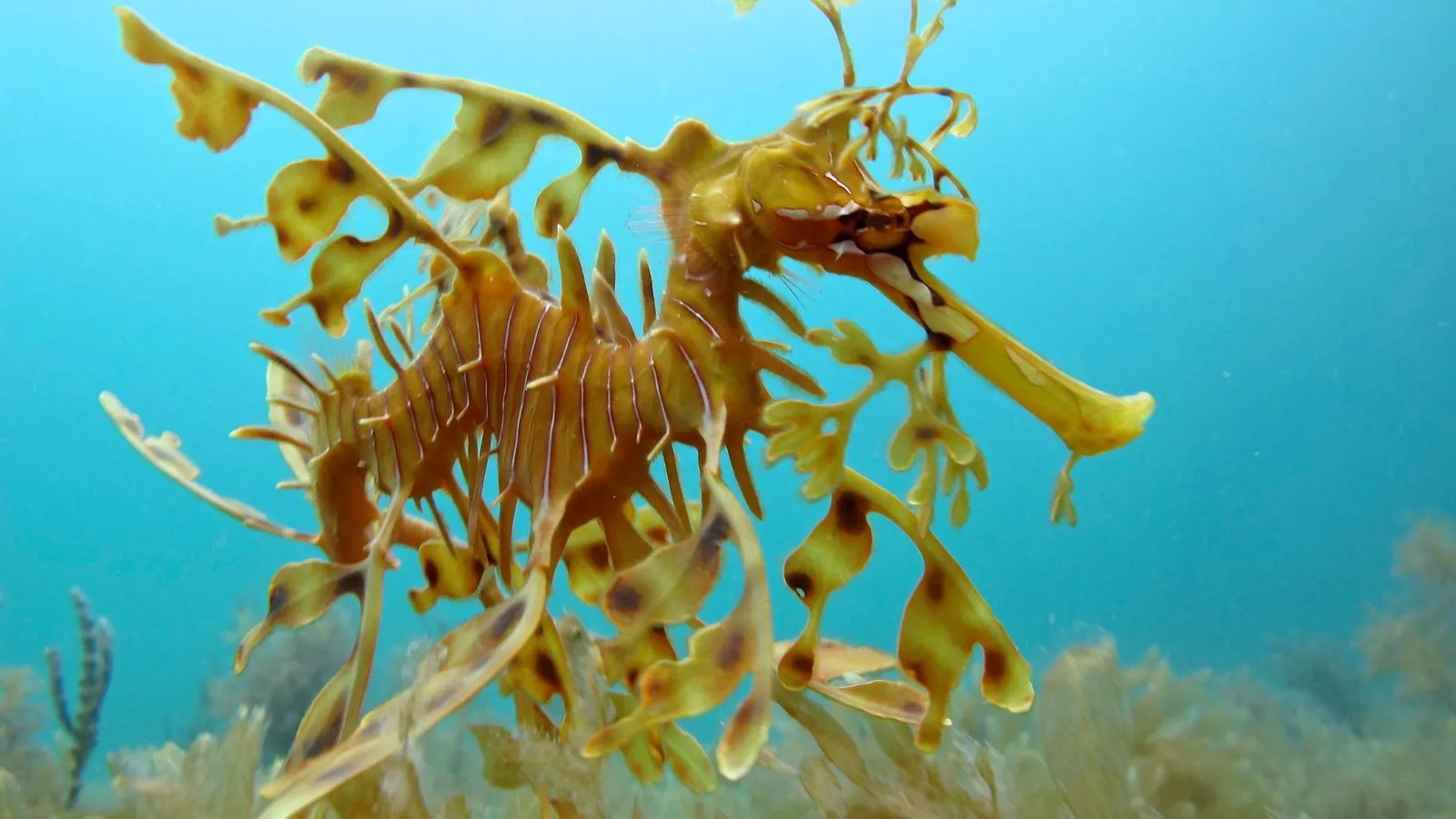 Ocean
The Leafy Sea Dragon of Southern Australia
Covered in leaf-shaped flaps, the leafy seadragon hides in plain sight among kelp off southern Australia, and the males carry the eggs.
-
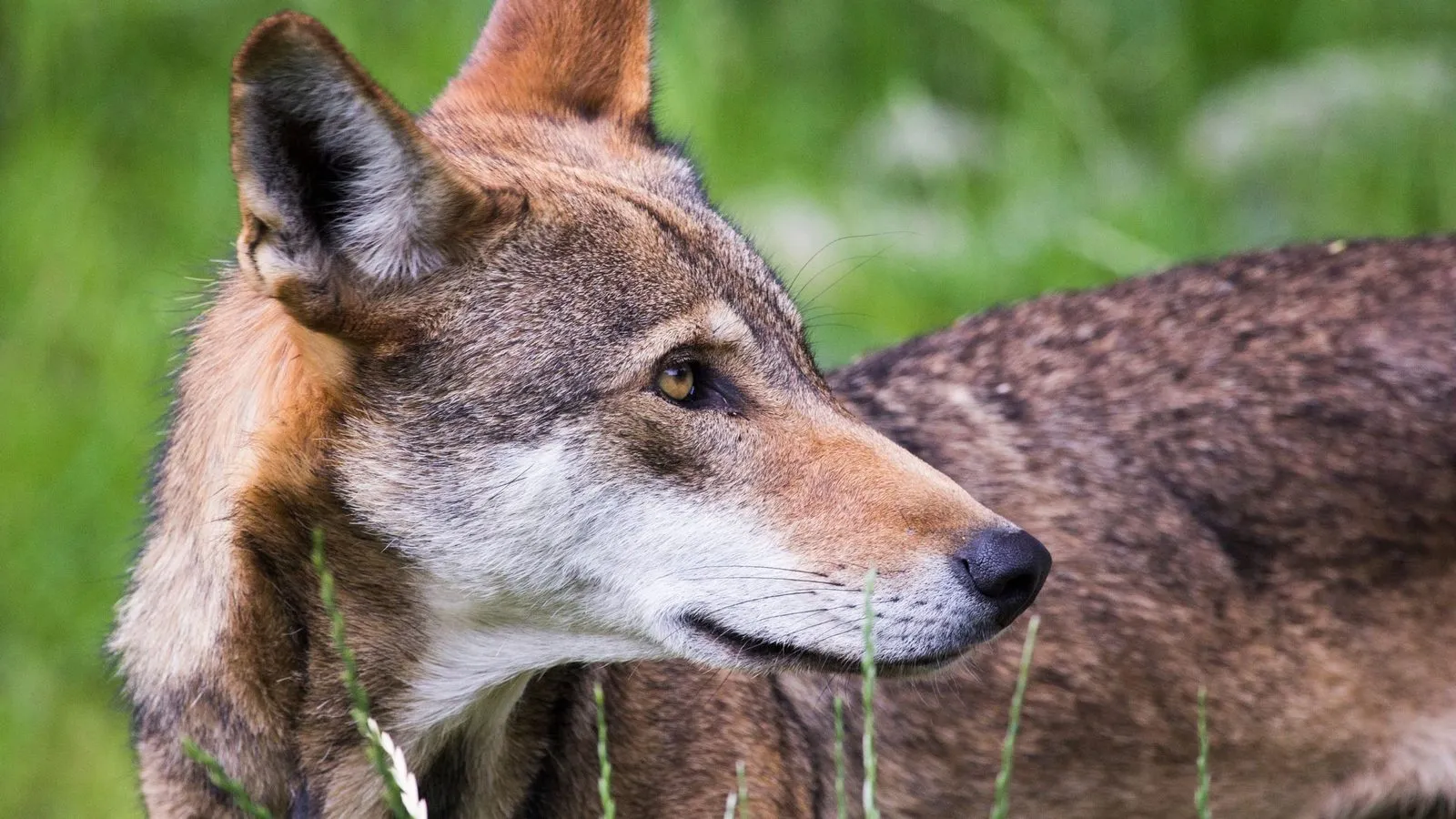 Endangered
The Red Wolf: Back From Extinction in the Wild
Declared extinct in the wild in 1980, the red wolf was returned to North Carolina in 1987. Today it is still the world's most endangered wolf.
-
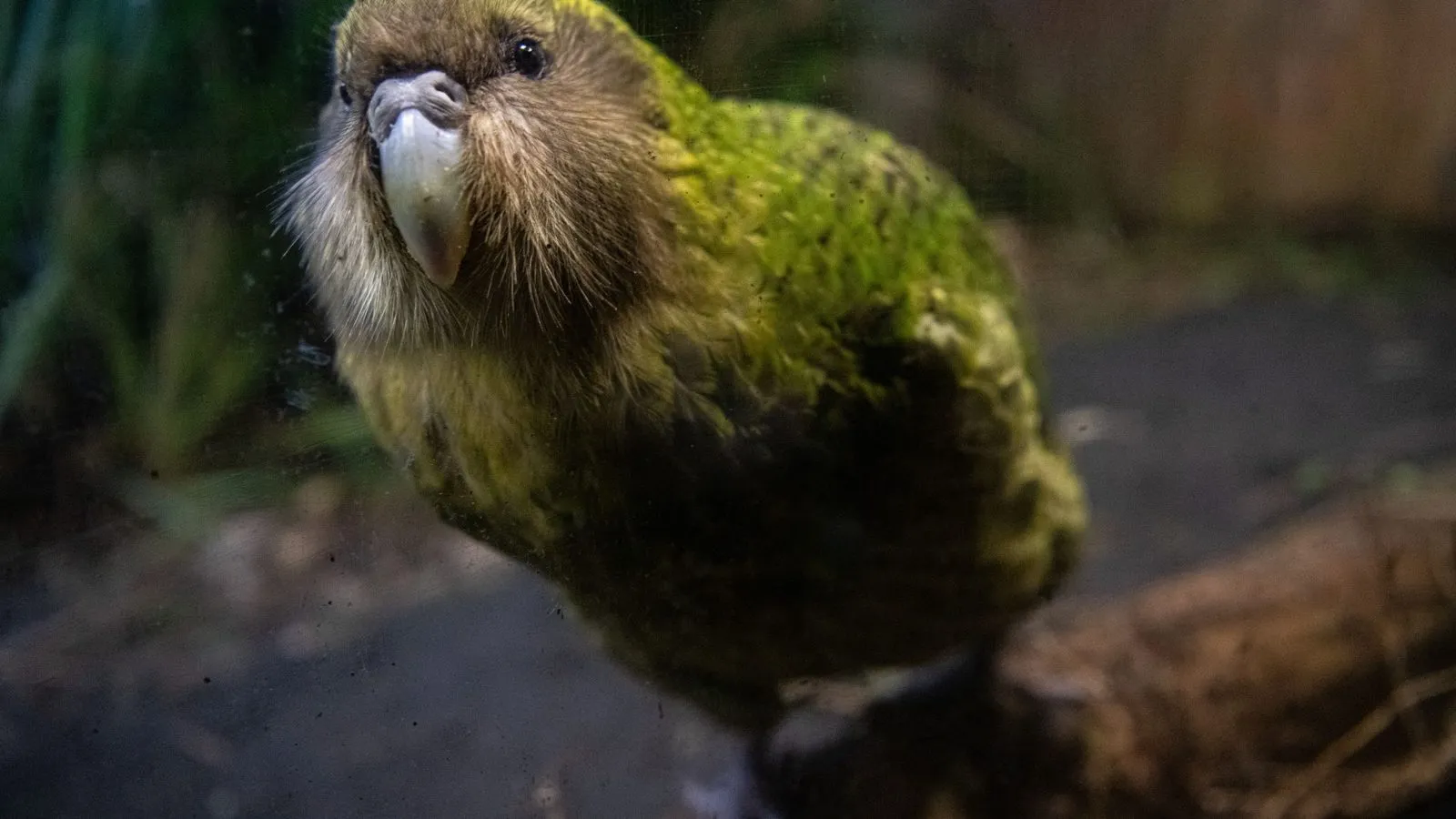 Endangered
The Kakapo: The Flightless Parrot Saved by Name
New Zealand's kakapo is a heavy, flightless, night-loving parrot. Almost every bird has a name, and in 2026 the population hit 325.
-
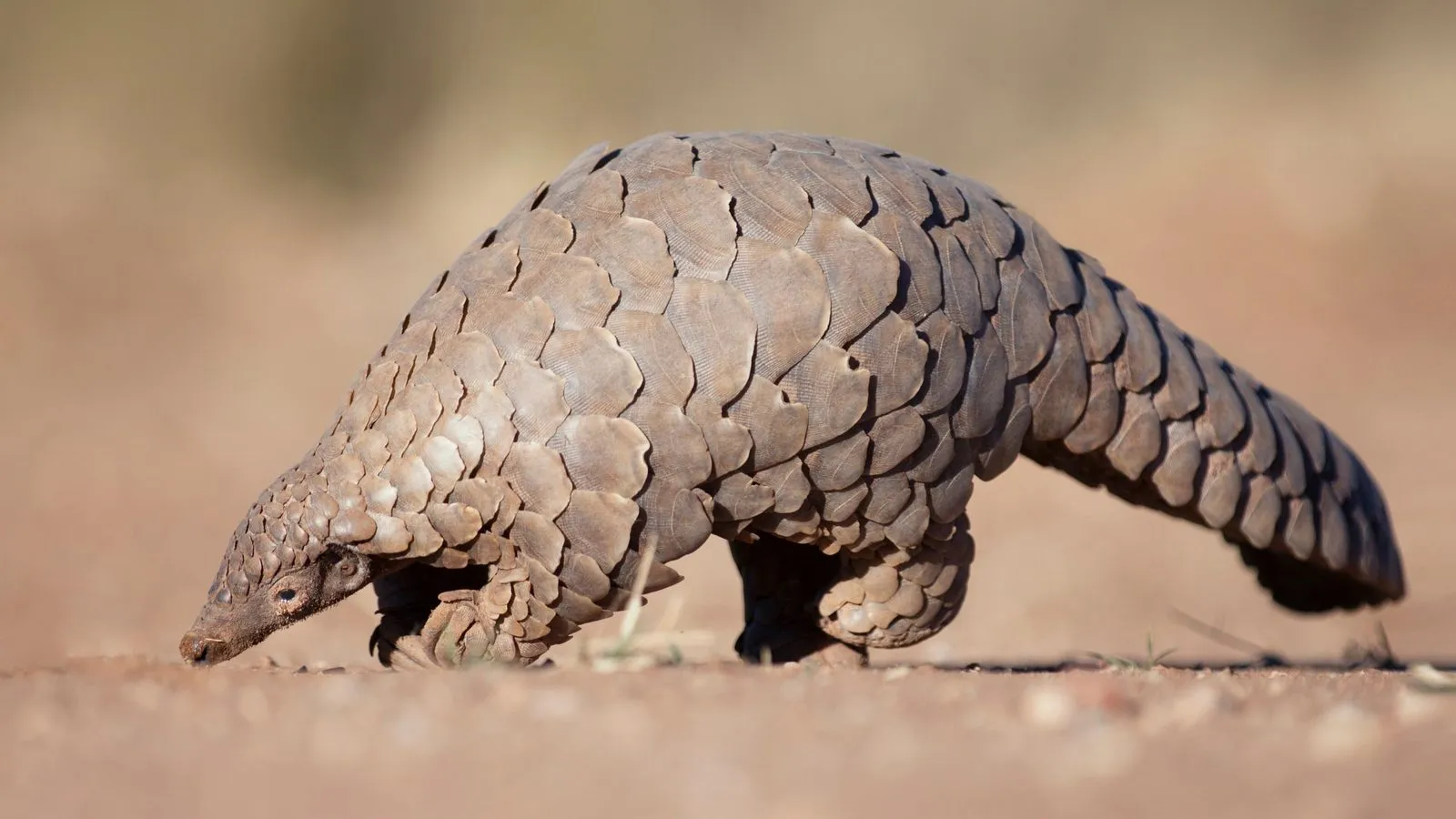 Weird Animals
The Pangolin: The Mammal Covered in Scales
Pangolins wear armor made of keratin, roll into a ball when scared and eat ants with tongues up to 40 cm long. All eight species are now threatened.
August 2026
-
 Pets & Zoos
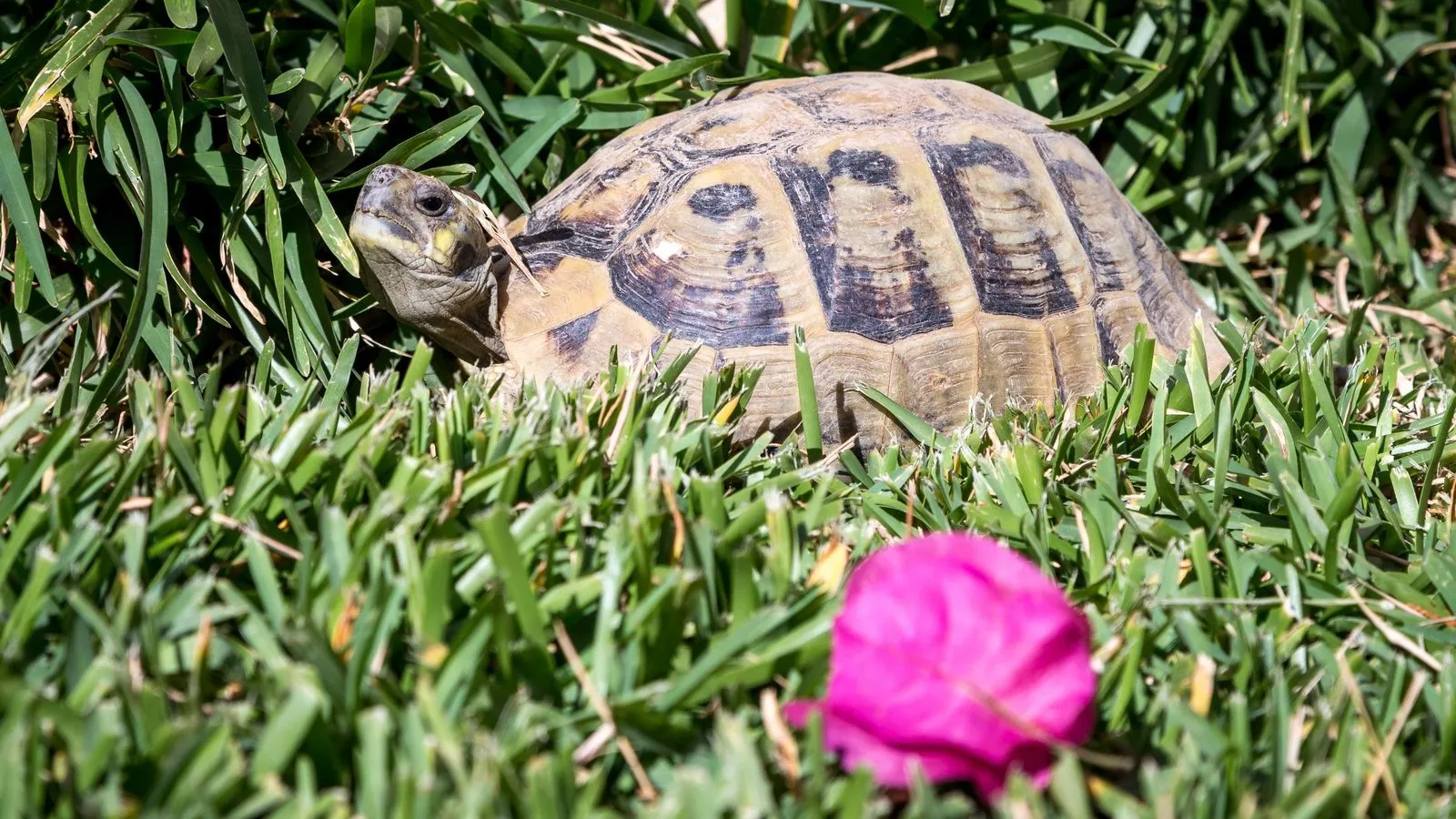
How Long Do Pet Tortoises Live?
Many pet tortoises live 50 to 100 years or more, so the right species and good care matter. Lifespans by species, and the 191-year record.
-
 Bugs & Creepy Crawlies
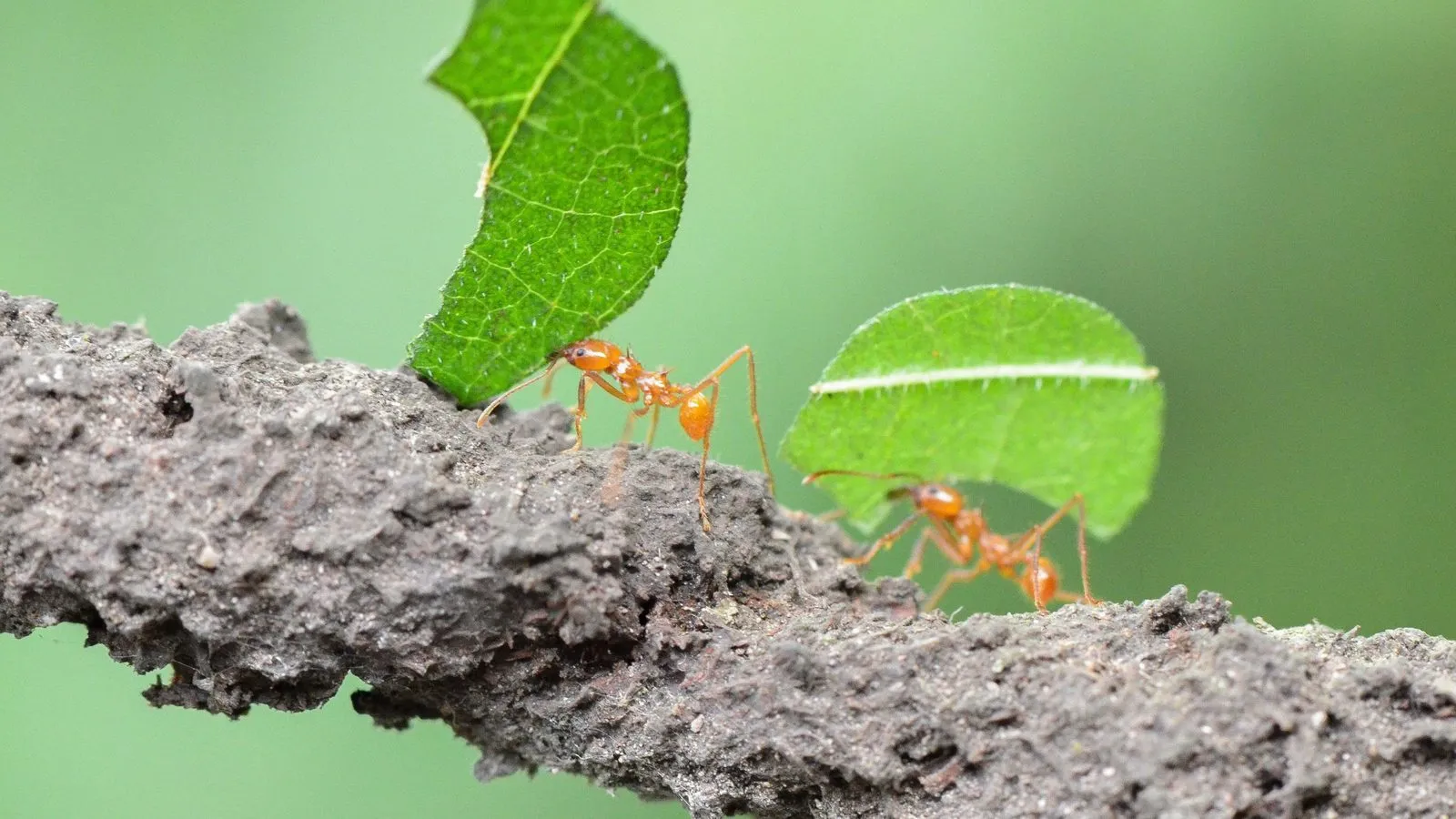
Leafcutter Ants and Their Fungus Farms
Leafcutter ants do not eat the leaves they carry. They feed them to fungus gardens underground, a kind of farming ants began long before people.
-
 Endangered
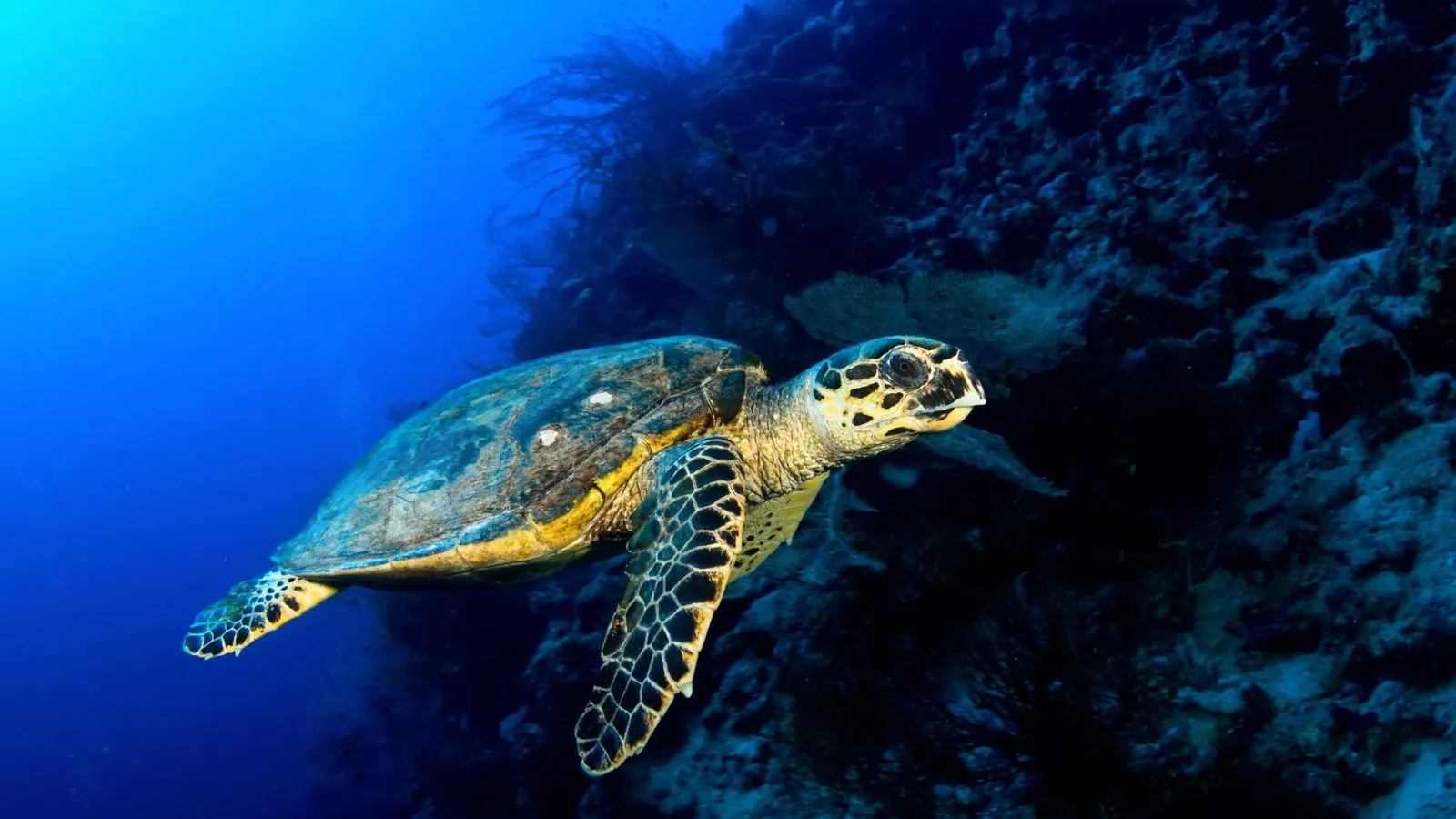
The Hawksbill Turtle and Its Patterned Shell
The hawksbill's beautiful mottled shell nearly wiped it out. Meet the sponge-eating sea turtle that helps keep coral reefs healthy.
-
 Extinct
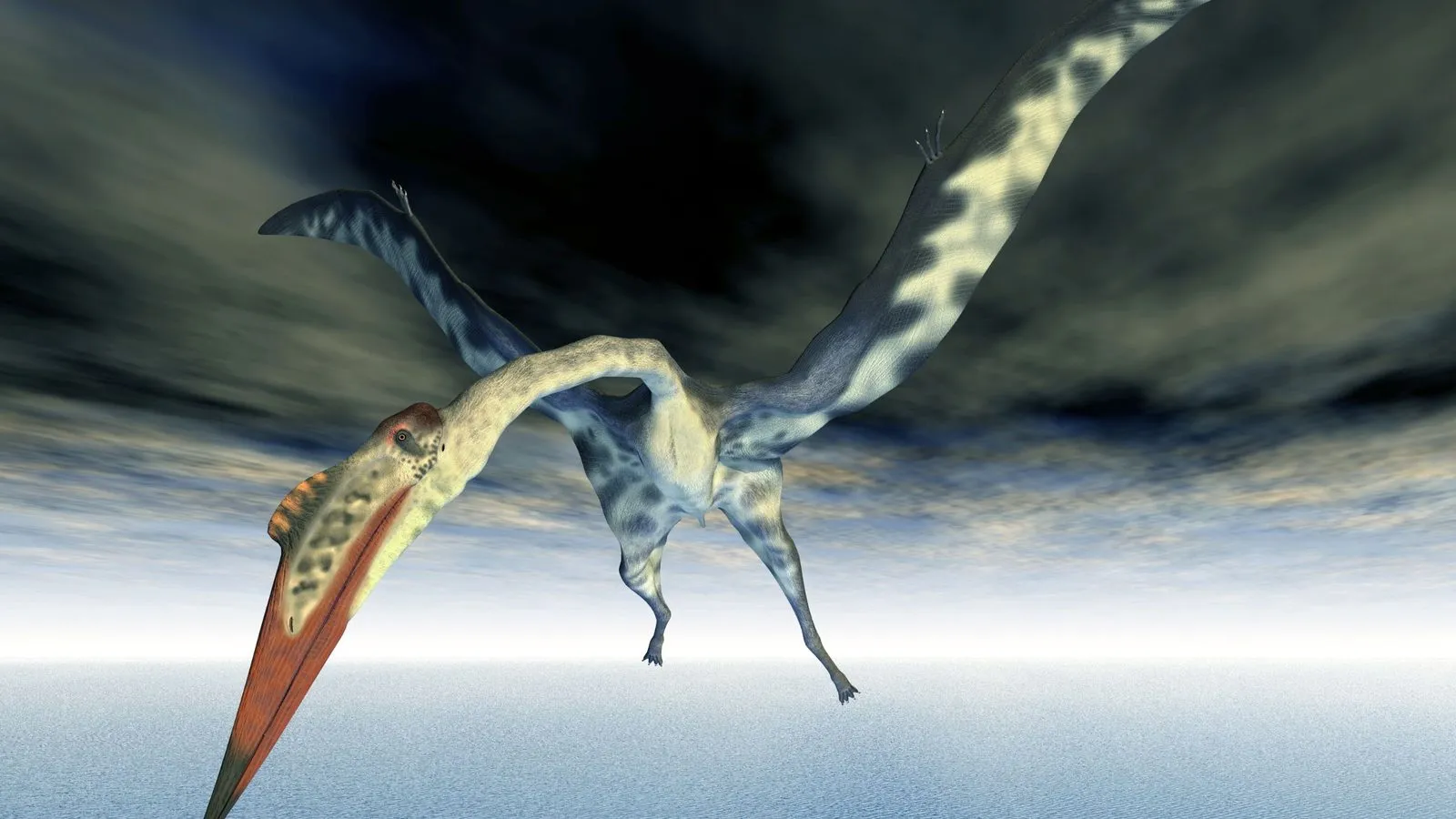
Quetzalcoatlus: The Giraffe-Tall Flying Reptile
Quetzalcoatlus stood about 12 feet tall and had wings spanning around 11 meters. Here is how the largest flying animal known got off the ground.
-
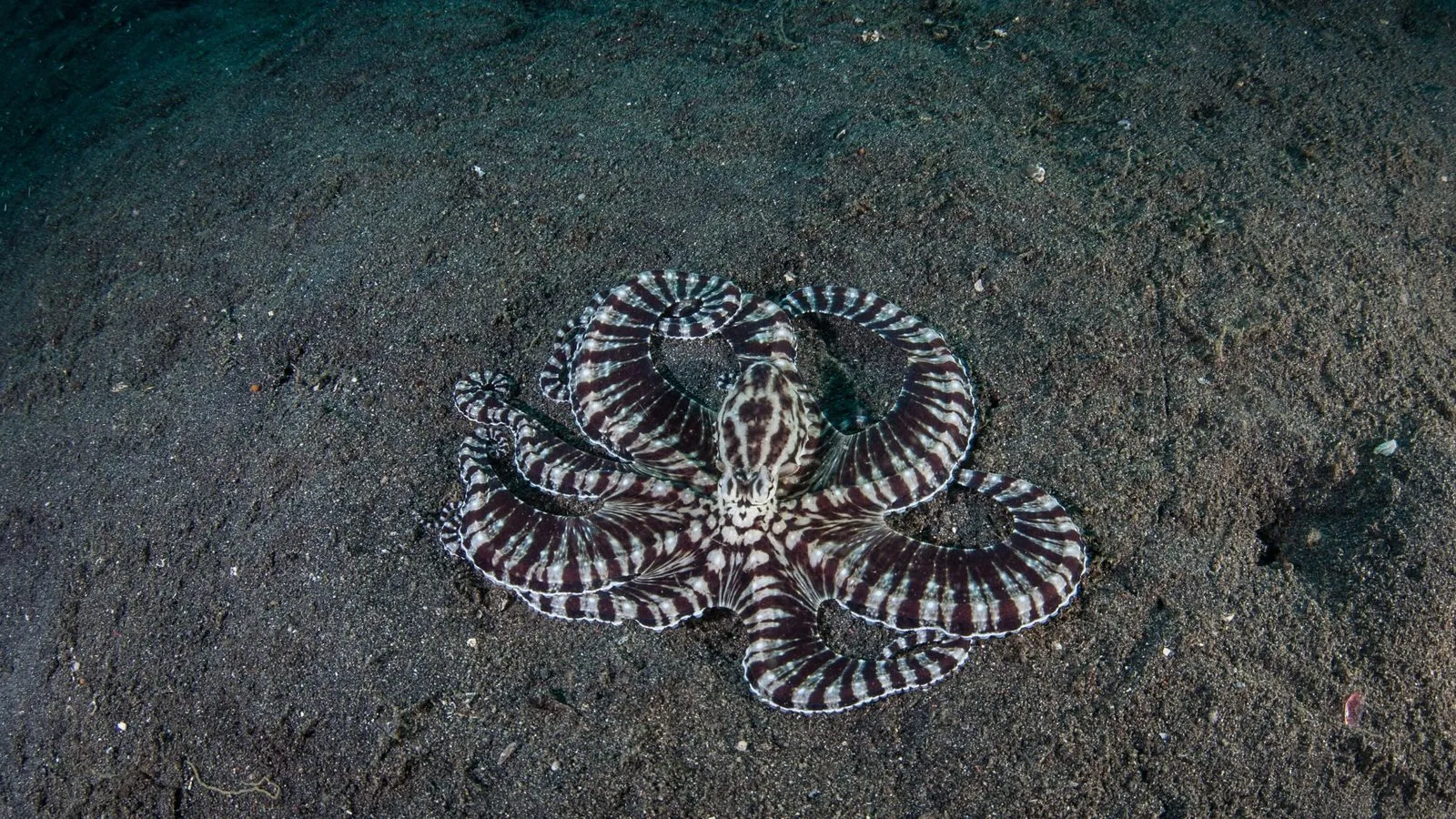 Ocean
The Mimic Octopus: Master of Disguise
The mimic octopus of Indonesia can pass itself off as a toxic flatfish, a lionfish or a venomous sea snake, switching acts in moments.
-
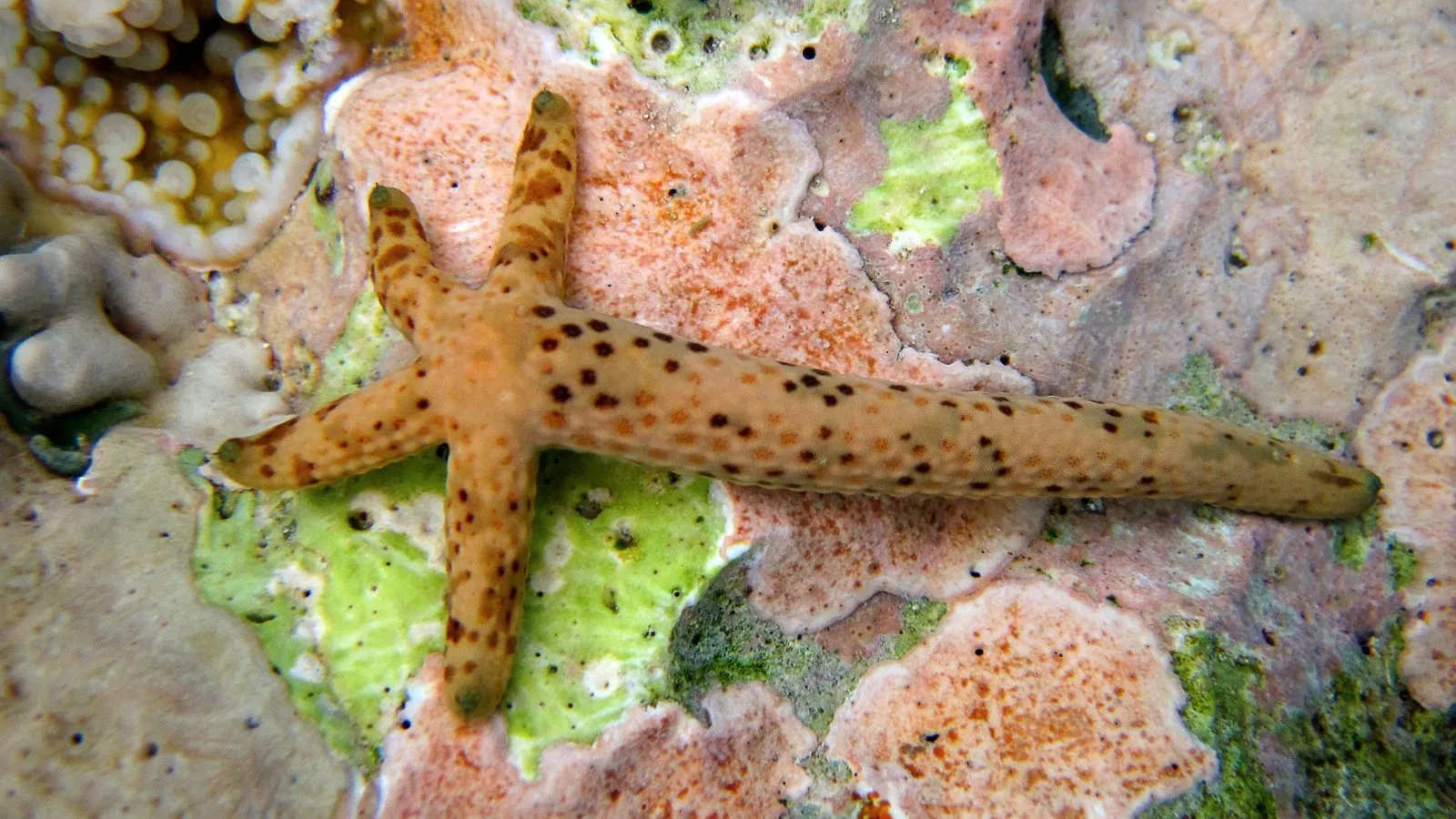 Weird Animals
Animals That Can Regrow Body Parts
Flatworms, axolotls, zebrafish, sea stars and spiny mice can rebuild lost parts of their bodies. Here is what each one can regrow.
-
 Pets & Zoos
Why Do Dogs Tilt Their Heads?
A Budapest study found that dogs who know their toys by name tilt their heads when they hear them. Here is what the head tilt may mean.
-
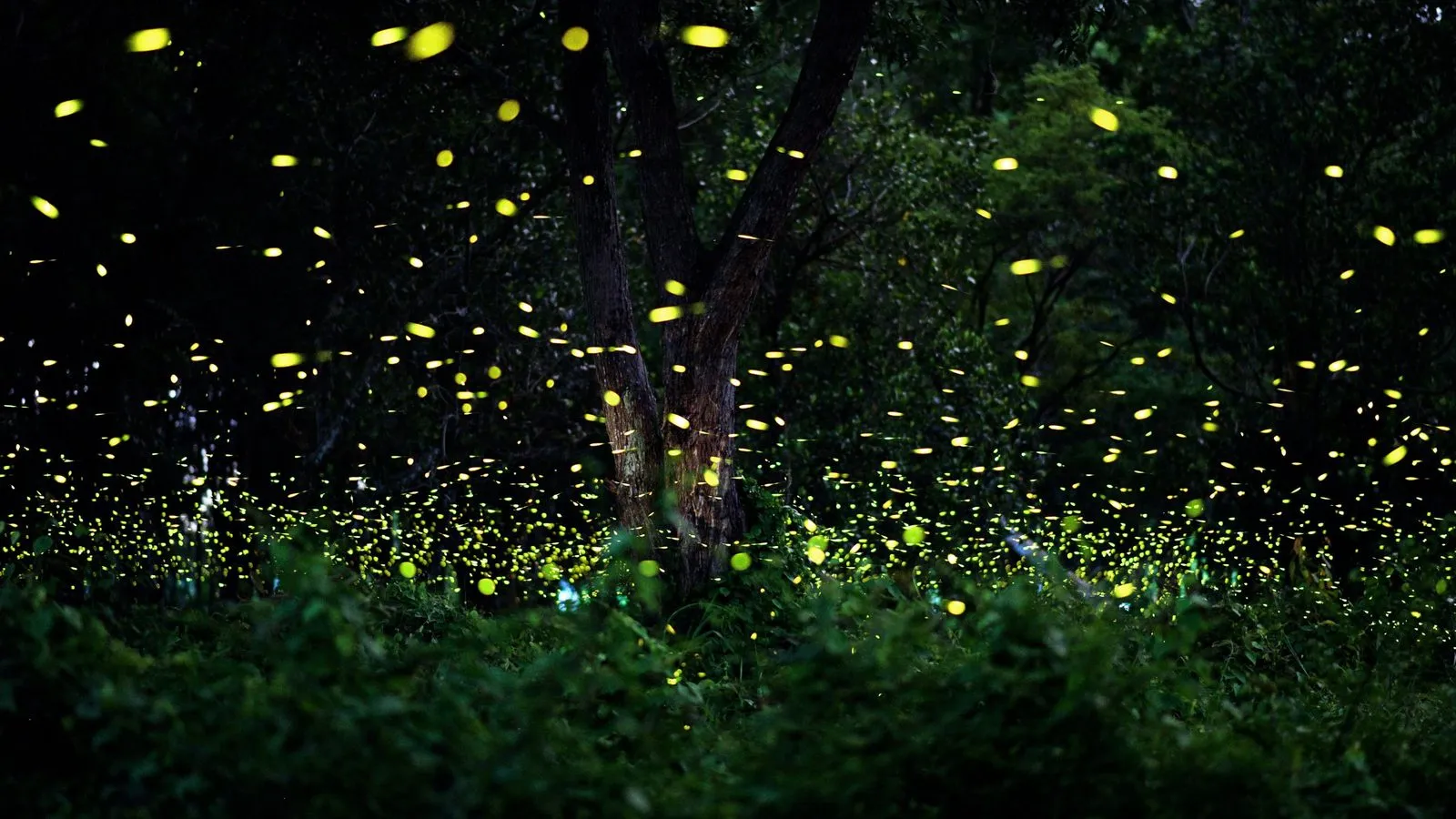 Bugs & Creepy Crawlies
Fireflies: How and Why They Light Up
Fireflies make cold light from a chemical reaction in their abdomens, and switch it on and off to court mates, warn predators and set traps.
-
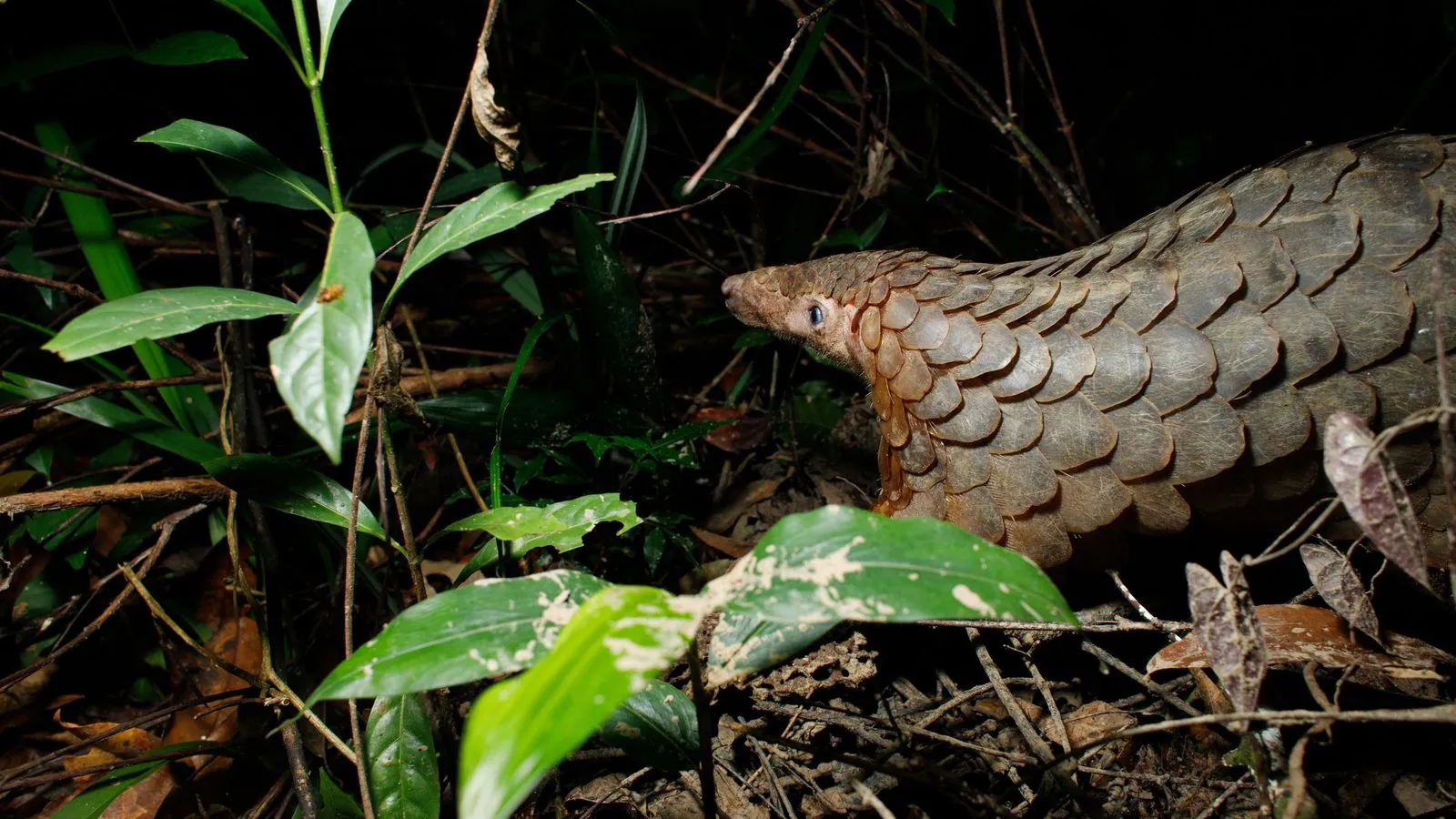 Endangered
Why Are Pangolins the Most Trafficked Mammals?
Pangolins are hunted for their meat and scales and smuggled across the world. Here is why they are trafficked more than any other mammal.
-
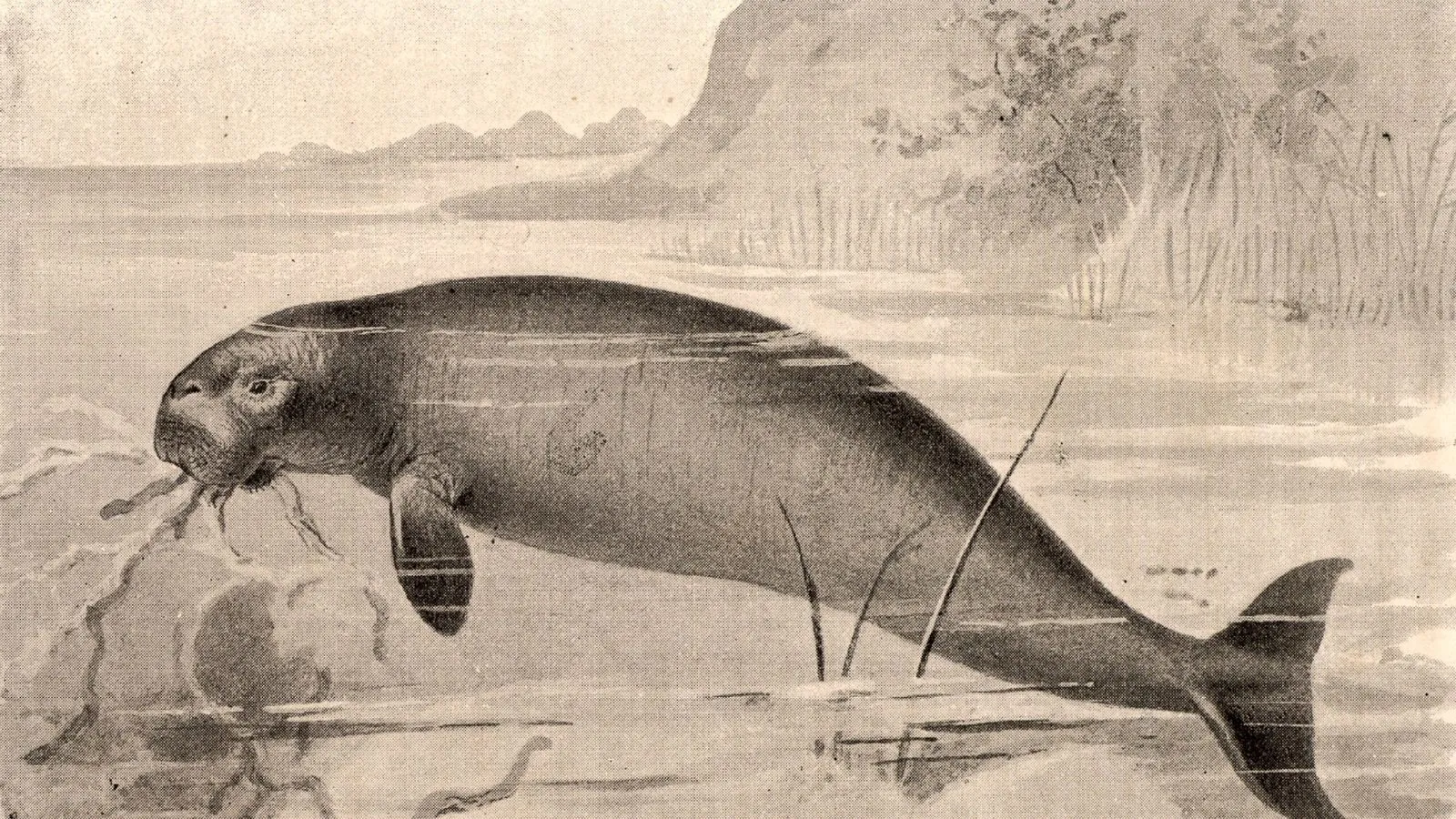 Extinct
Steller's Sea Cow: Gone in 27 Years
A giant cousin of the manatee was found in the Bering Sea in 1741. By 1768 hunters had wiped it out. This is the story of Steller's sea cow.
-
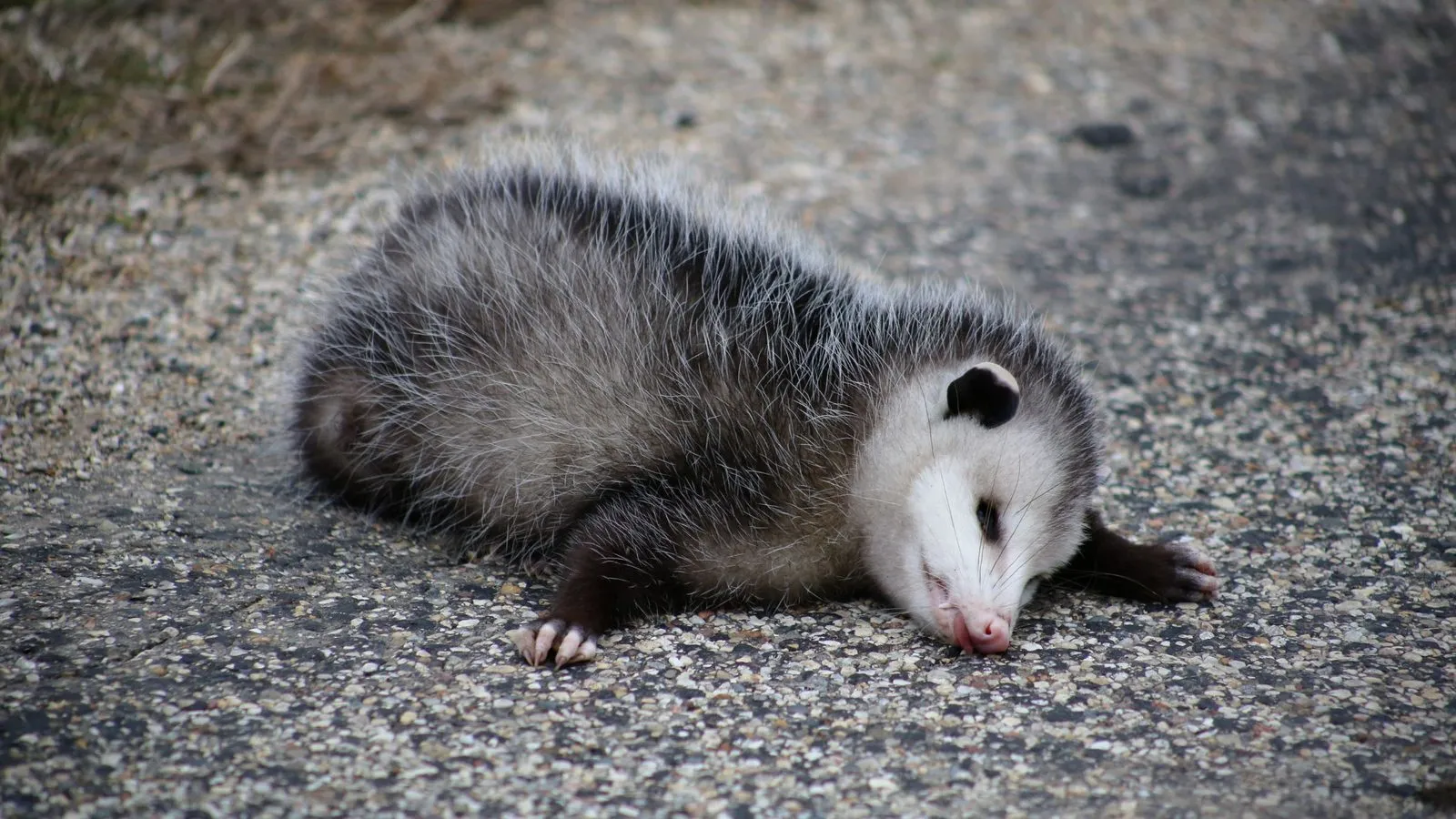 Weird Animals
Animals That Play Dead to Survive
From the opossum to a courting spider, some animals escape danger by pretending to be dead. Here is how six of them pull off the act, and why it works.
-
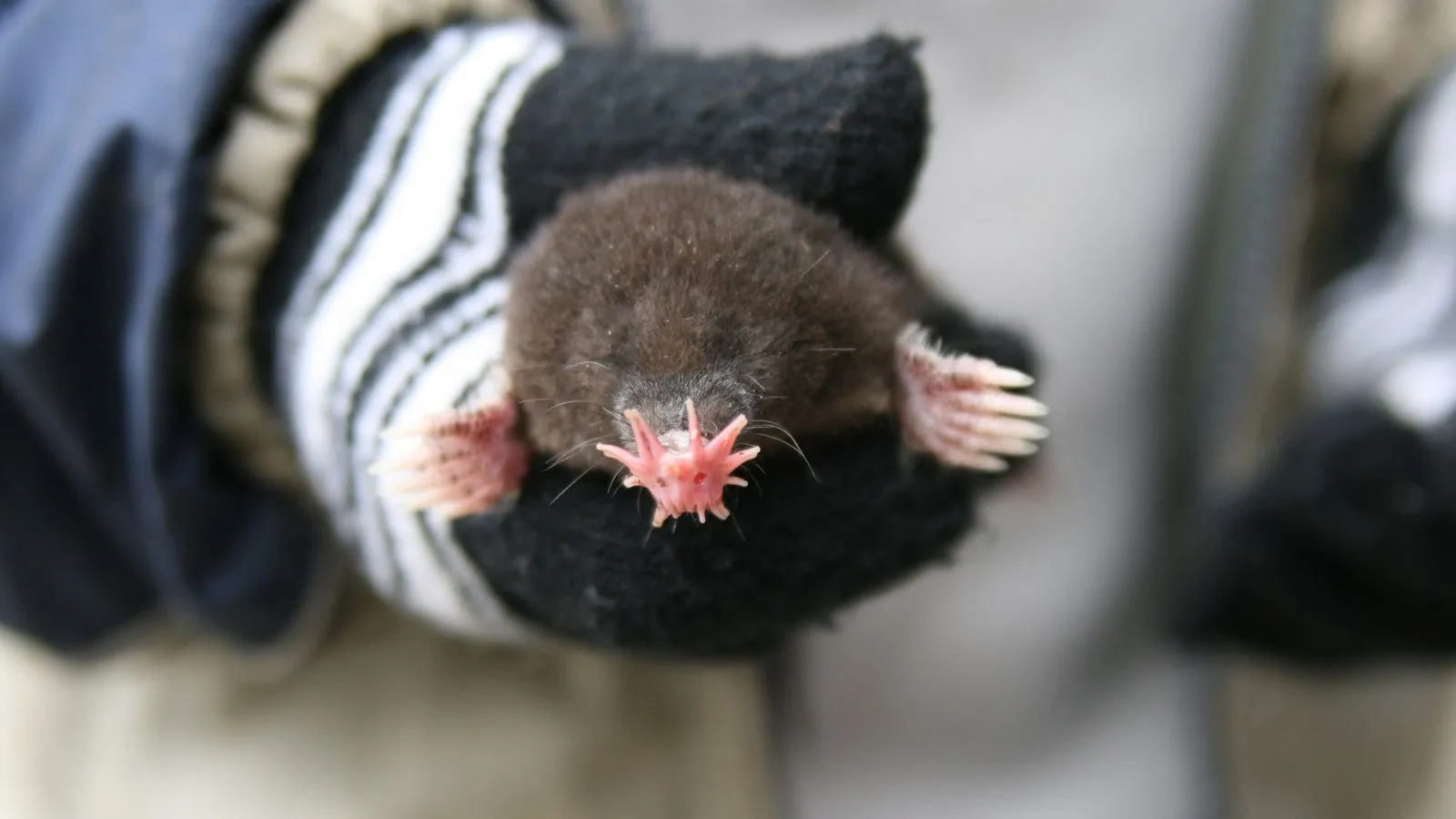 Weird Animals
The Star-Nosed Mole and Its Super-Fast Snout
With 22 fleshy rays on its nose, the star-nosed mole feels its way through the dark and can find and eat prey in as little as 120 milliseconds.
-
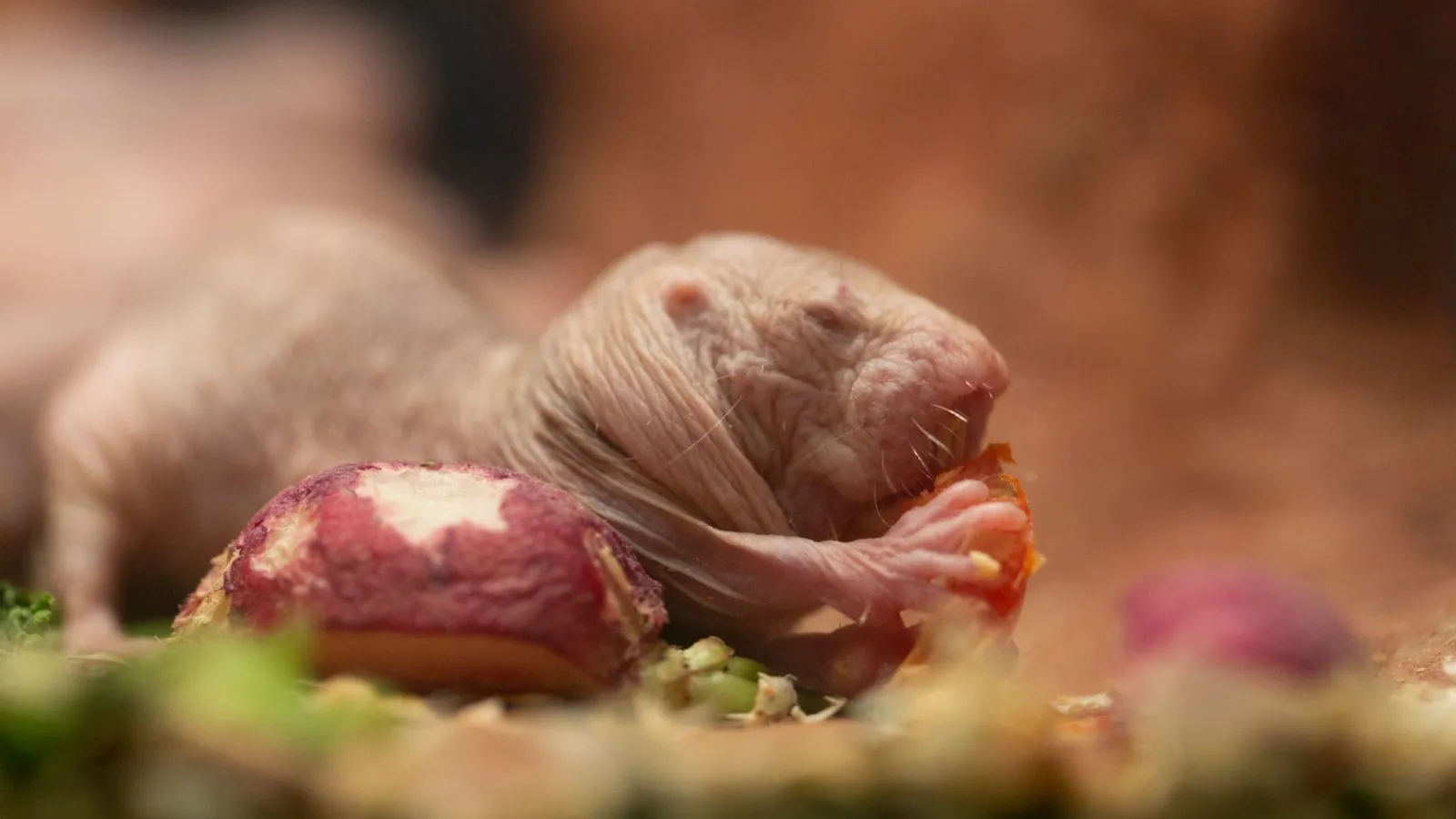 Pets & Zoos
The Strangest Animals You Can See in a Zoo
A cold-blooded mammal, a turtle that vacuums its food and a pig with tusks through its snout: six odd animals living in zoos today.
July 2026
-
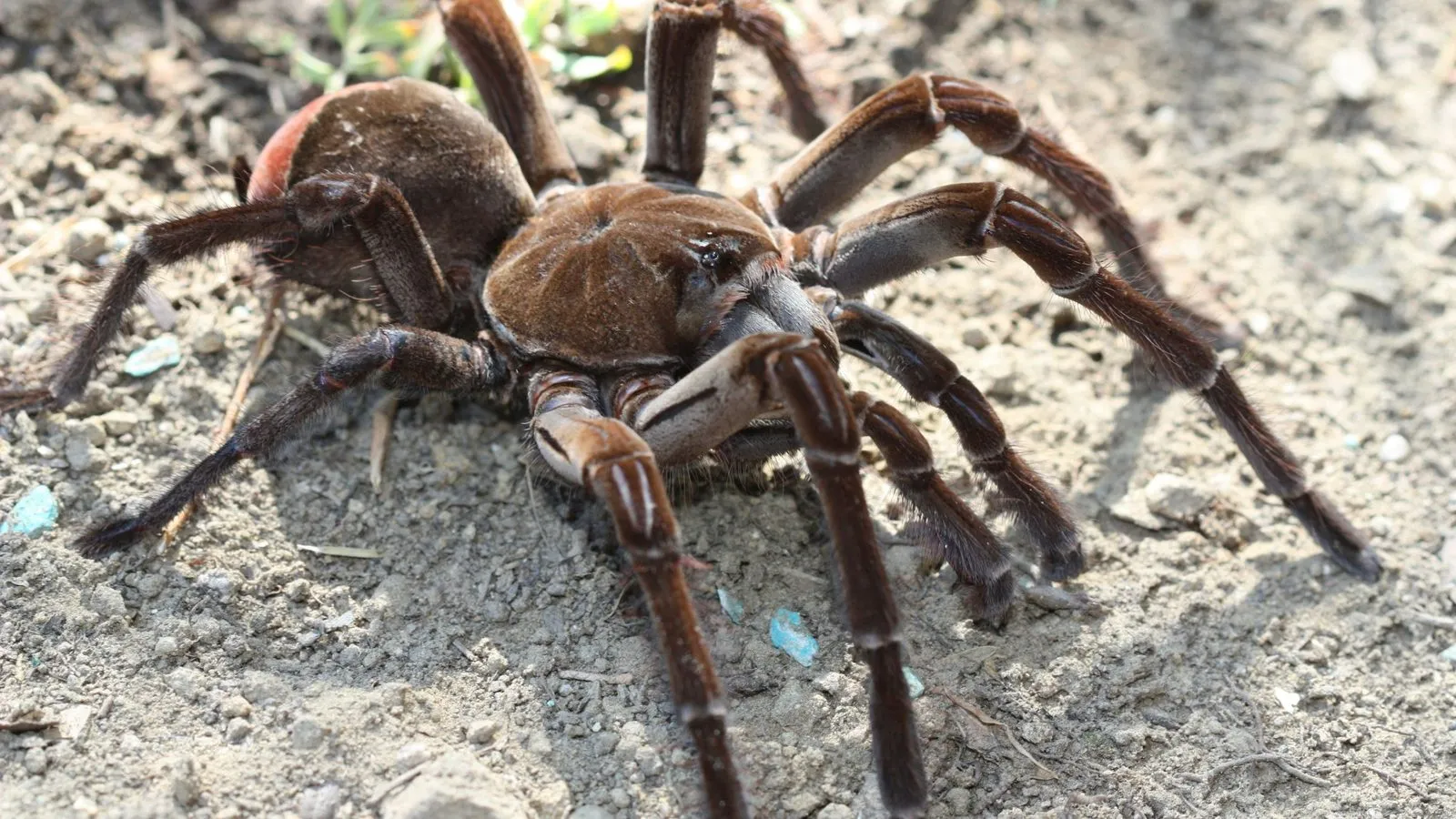 Bugs & Creepy Crawlies
The Goliath Birdeater: The Heaviest Spider
The Goliath birdeater of South America is the heaviest spider known, at up to 175 grams. Despite its name, it mostly eats worms and insects.
-
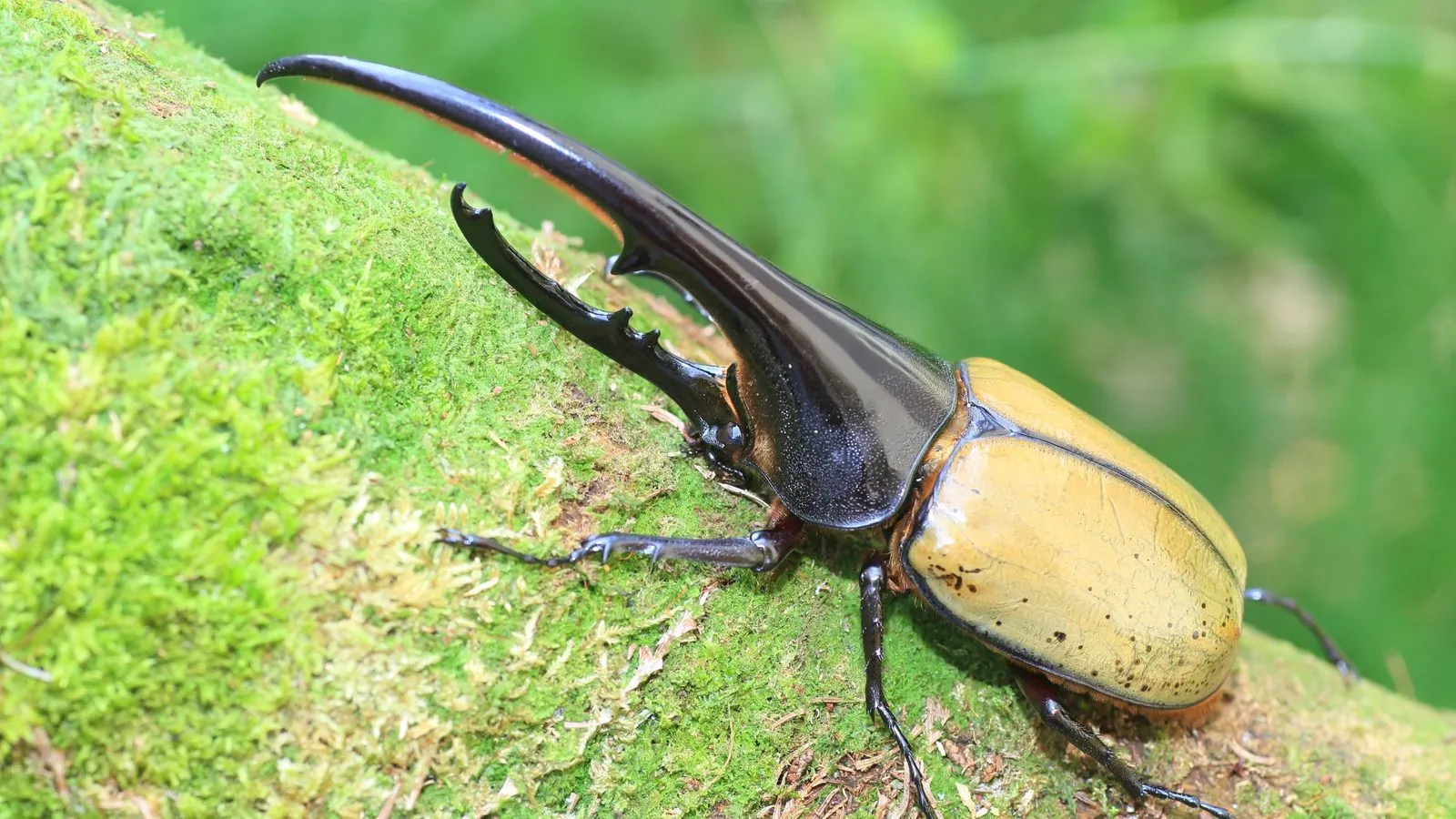 Bugs & Creepy Crawlies
The Hercules Beetle: Strength for Its Size
Male Hercules beetles grow up to 19 centimeters long, more than half of it horn. They use those horns like pliers to lift rivals and throw them to the ground.
-
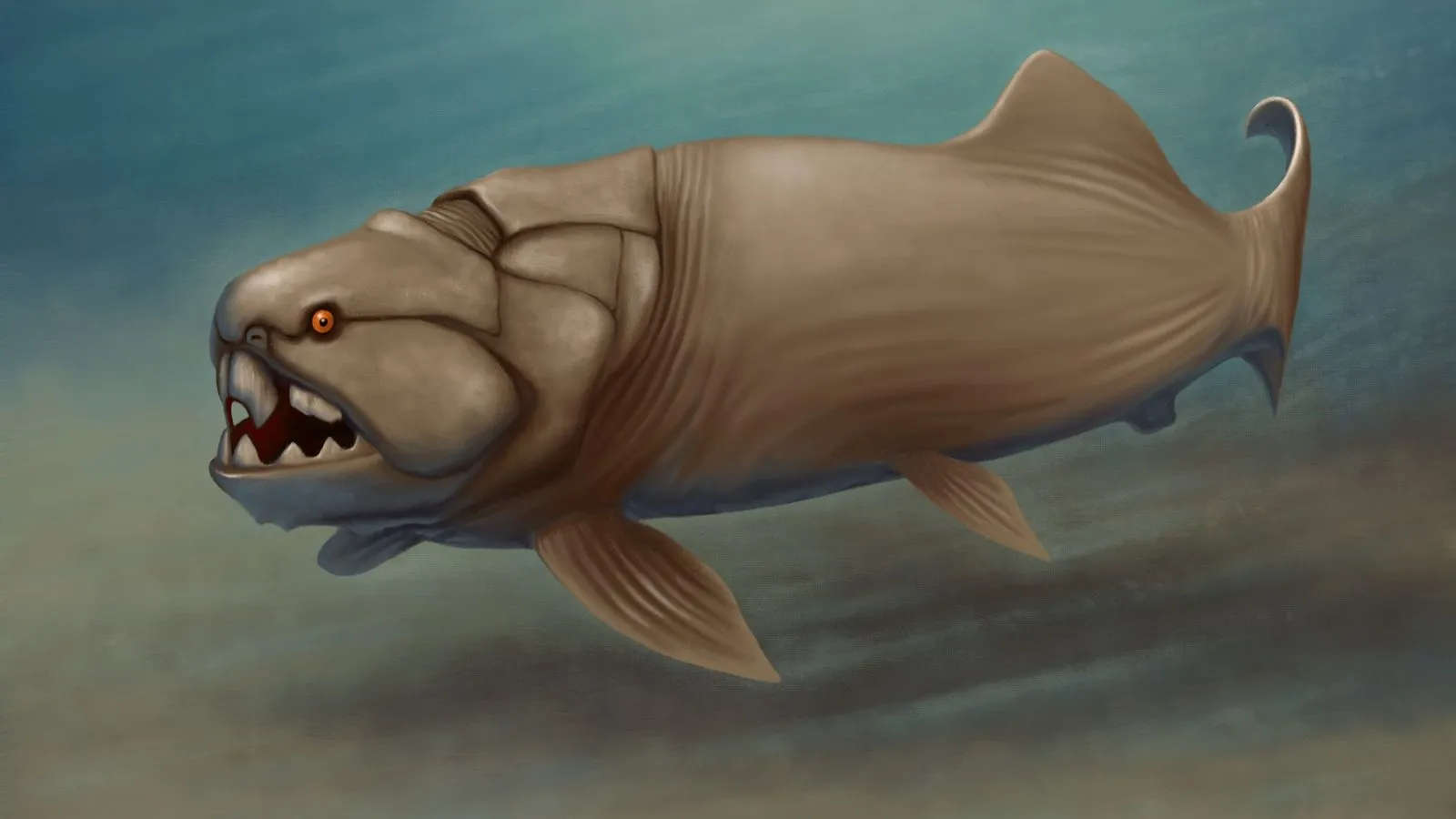 Extinct
Dunkleosteus: The Armored Fish With a Killer Bite
Dunkleosteus ruled a tropical sea over Ohio 360 million years ago. It had no teeth, just self-sharpening bony blades and one of the strongest bites of any fish.
-
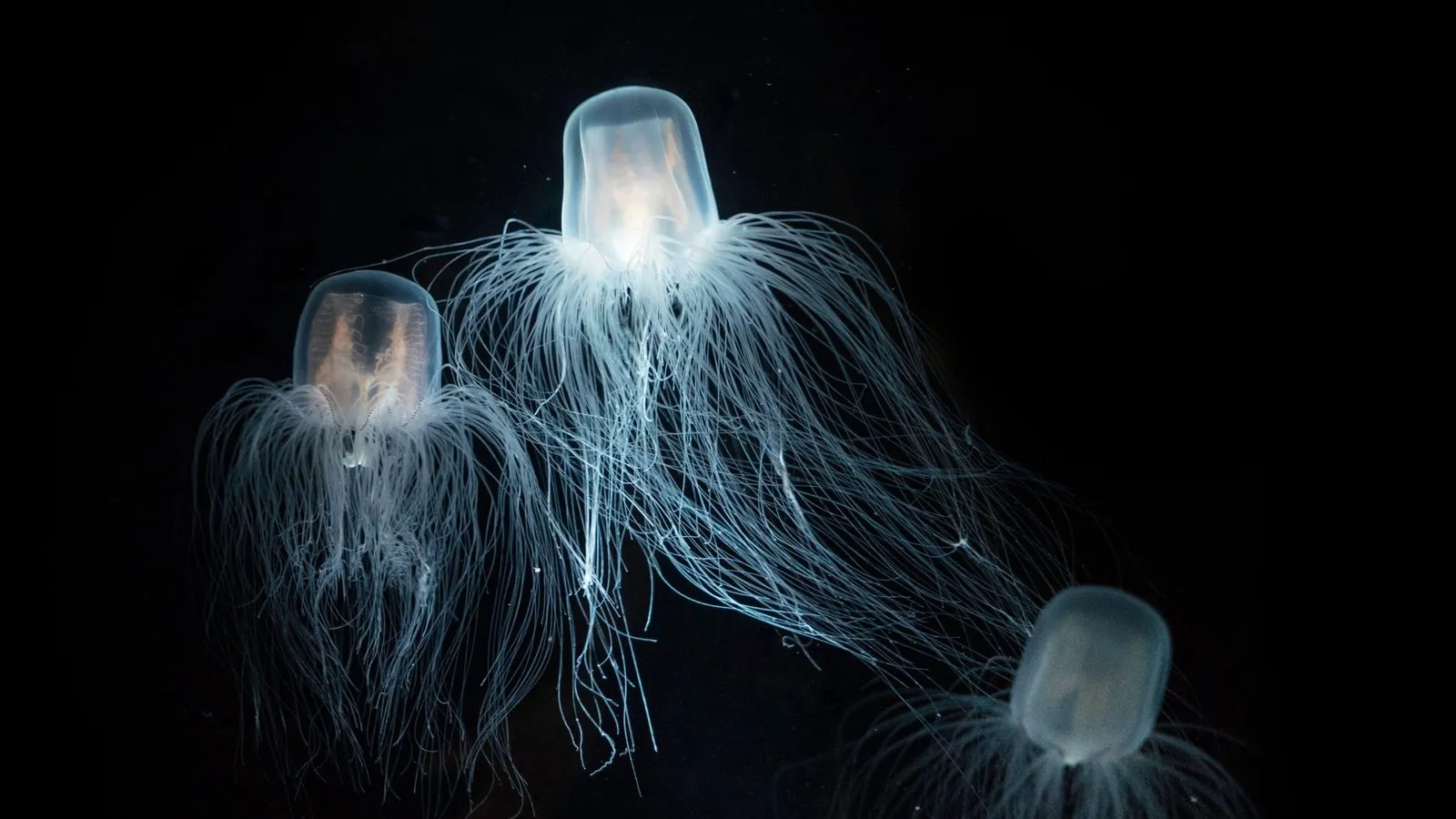 Ocean
The Immortal Jellyfish That Turns Back Time
When it is hurt or starving, the tiny jellyfish Turritopsis dohrnii can turn back into a young polyp and start its life over again.
-
 Weird Animals
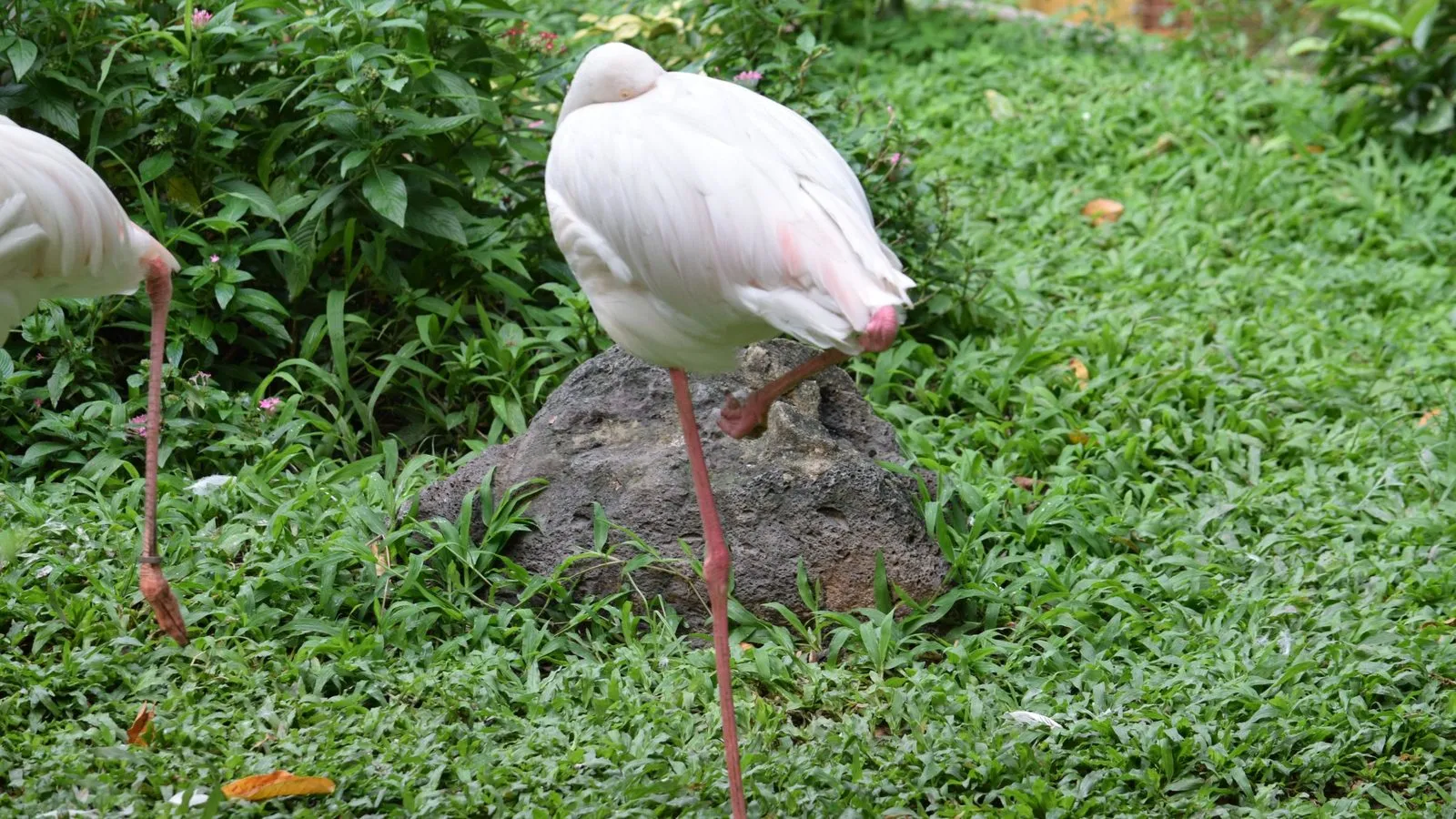
Why Do Flamingos Stand on One Leg?
Flamingos can hold a one-legged pose with almost no muscle effort, and they use it more when it is cold. Here is what experiments have shown.
-
 Pets & Zoos
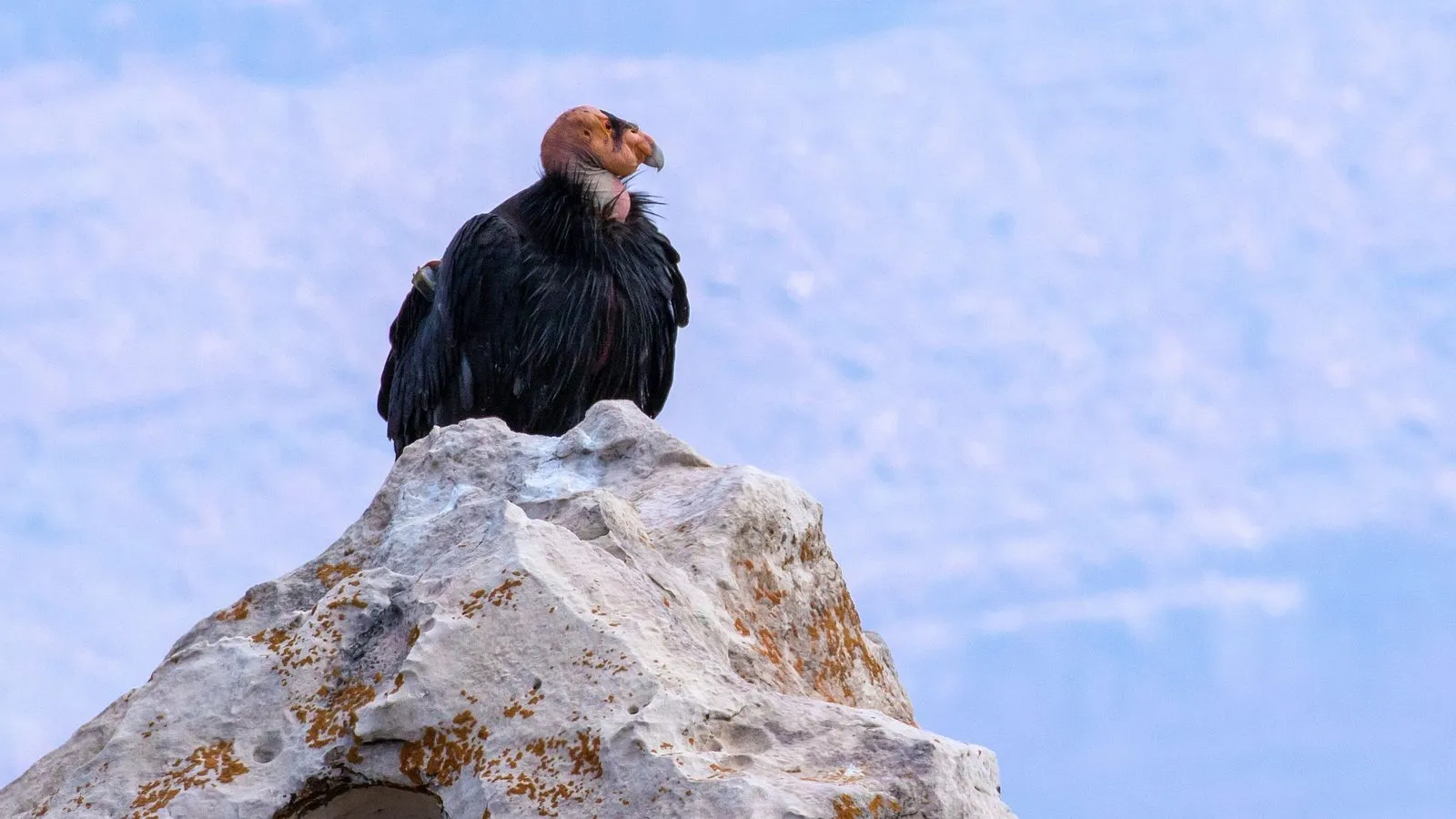
How Zoos Help Save Endangered Species
Breeding plans, studbooks and release programs: how zoos helped bring the California condor and black-footed ferret back from the edge.
-
 Bugs & Creepy Crawlies
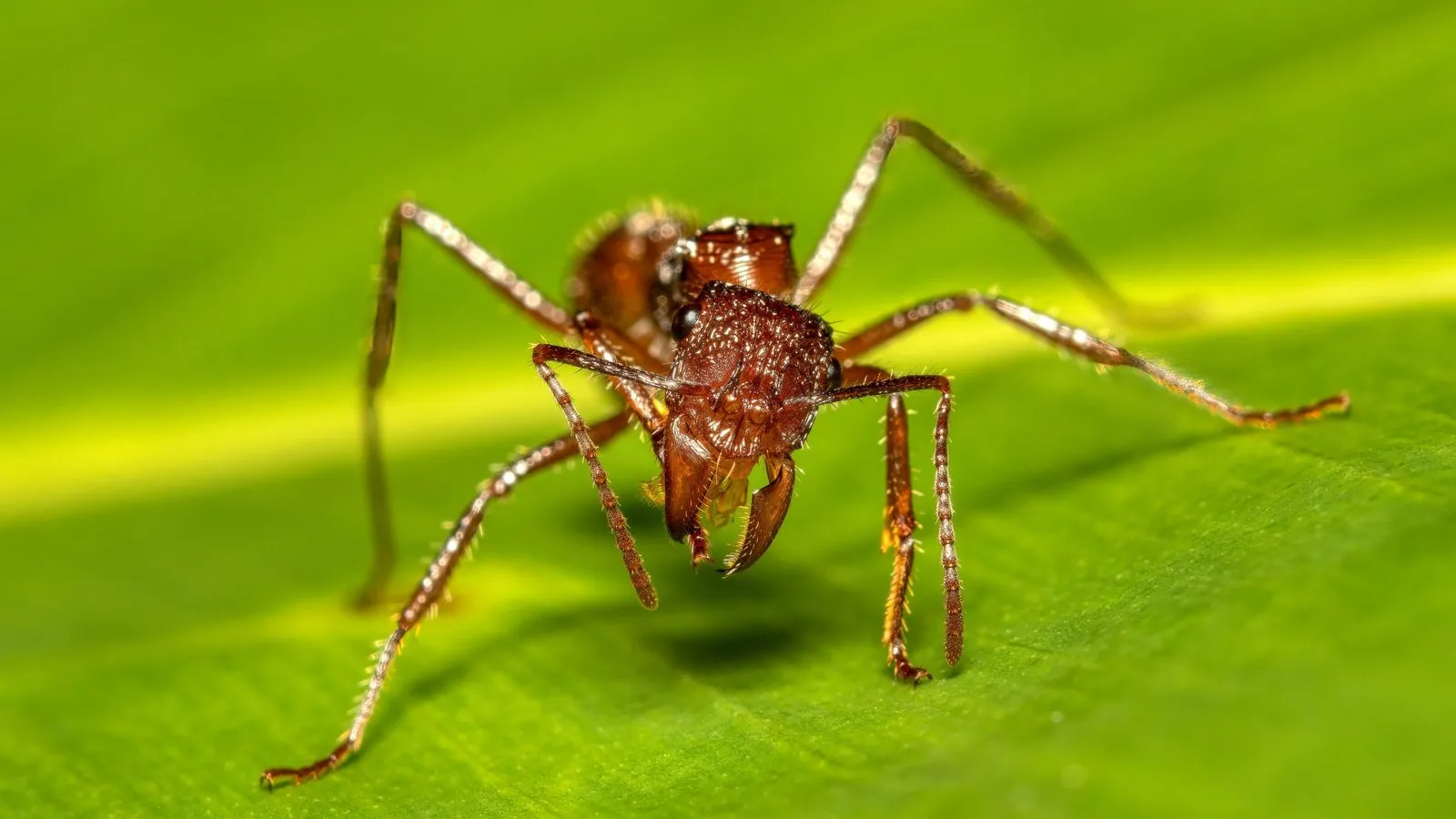
Bullet Ants and the Most Painful Sting
The bullet ant of Central and South America tops the Schmidt sting pain index. Here is why its sting hurts so much and for so long.
-
 Endangered
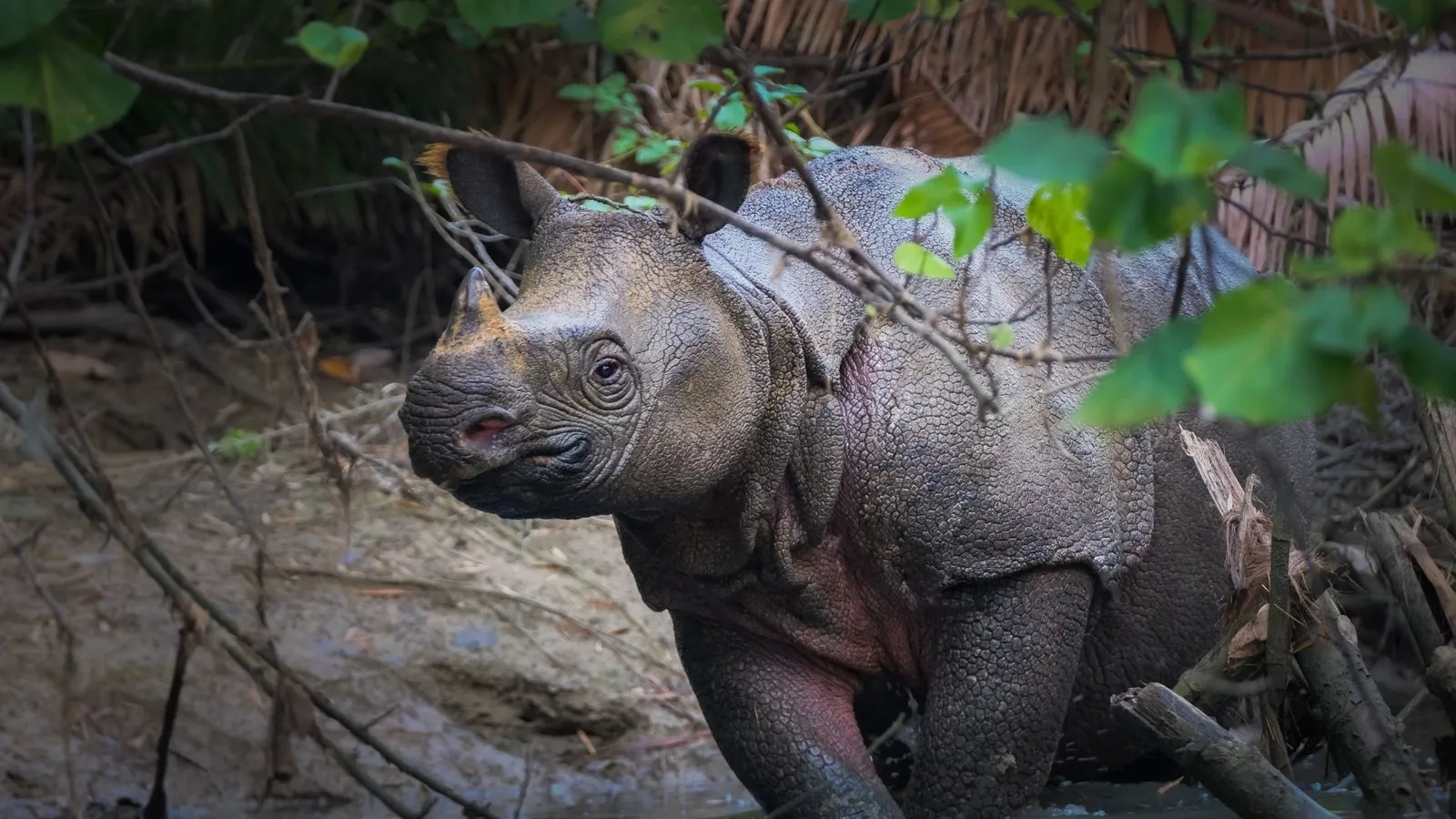
The Javan Rhino: Survival on One Peninsula
About 50 Javan rhinos survive, all in one national park on the western tip of Java. A poaching gang cut their numbers by a third.
-
 Extinct
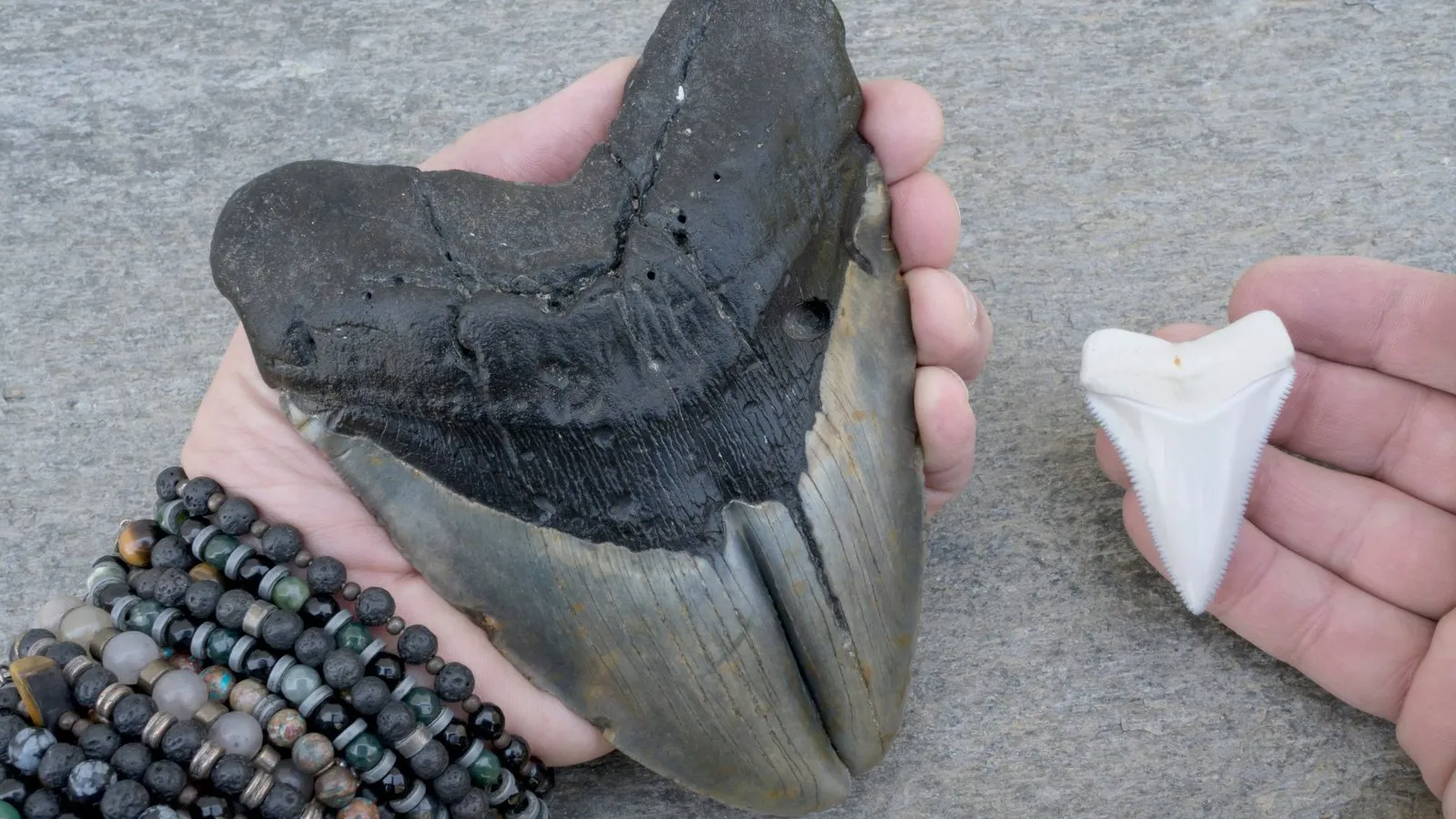
Megalodon: How Big Was the Giant Shark?
No full megalodon skeleton has been found, so its size comes from teeth and backbones. Estimates for the biggest run from under 50 feet to about 80 feet.
-
 Ocean
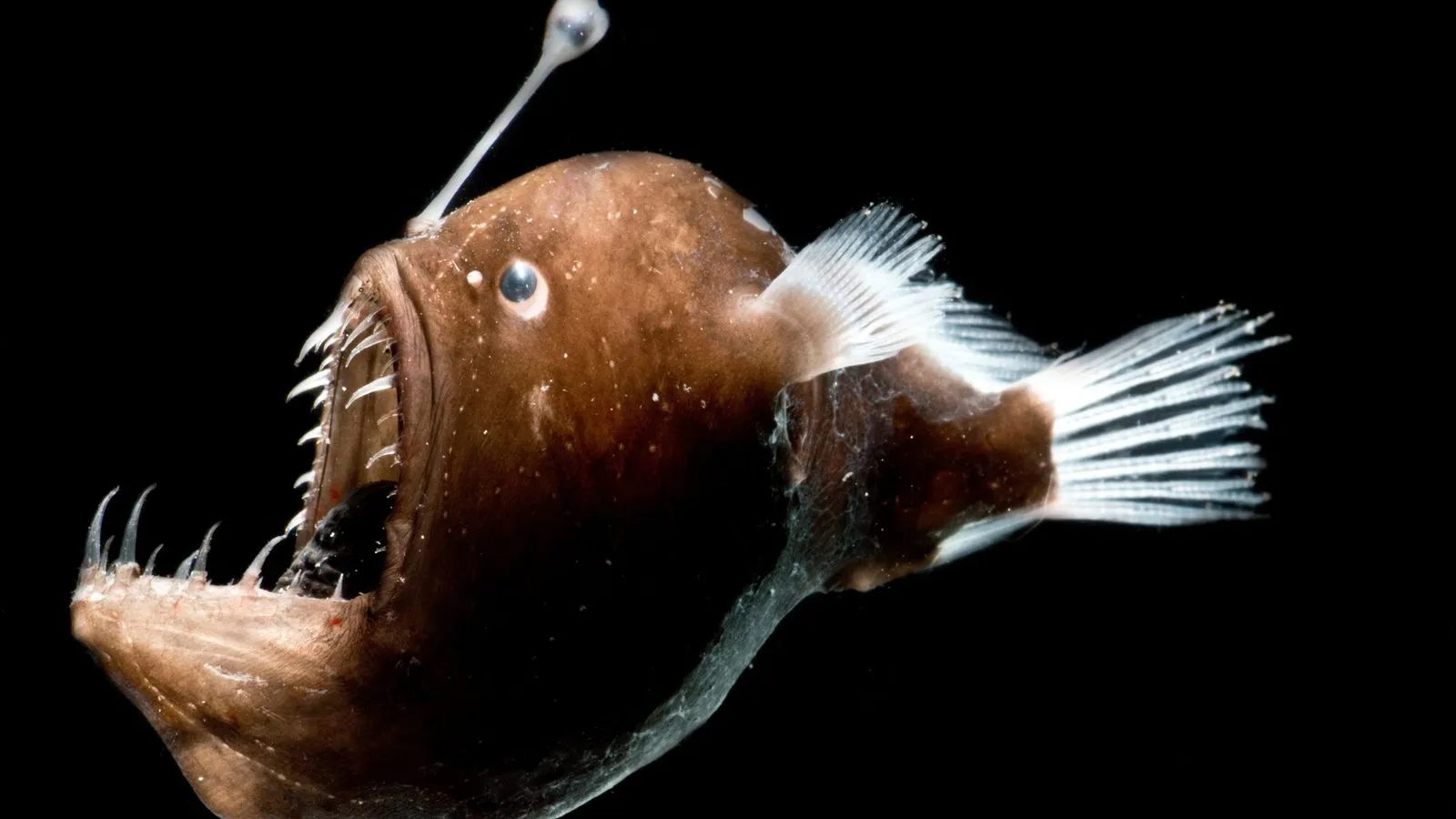
Anglerfish and the Light on Their Heads
Deep-sea anglerfish fish for their dinner with a glowing lure lit by bacteria, and tiny males fuse to females for life.
-
 Weird Animals
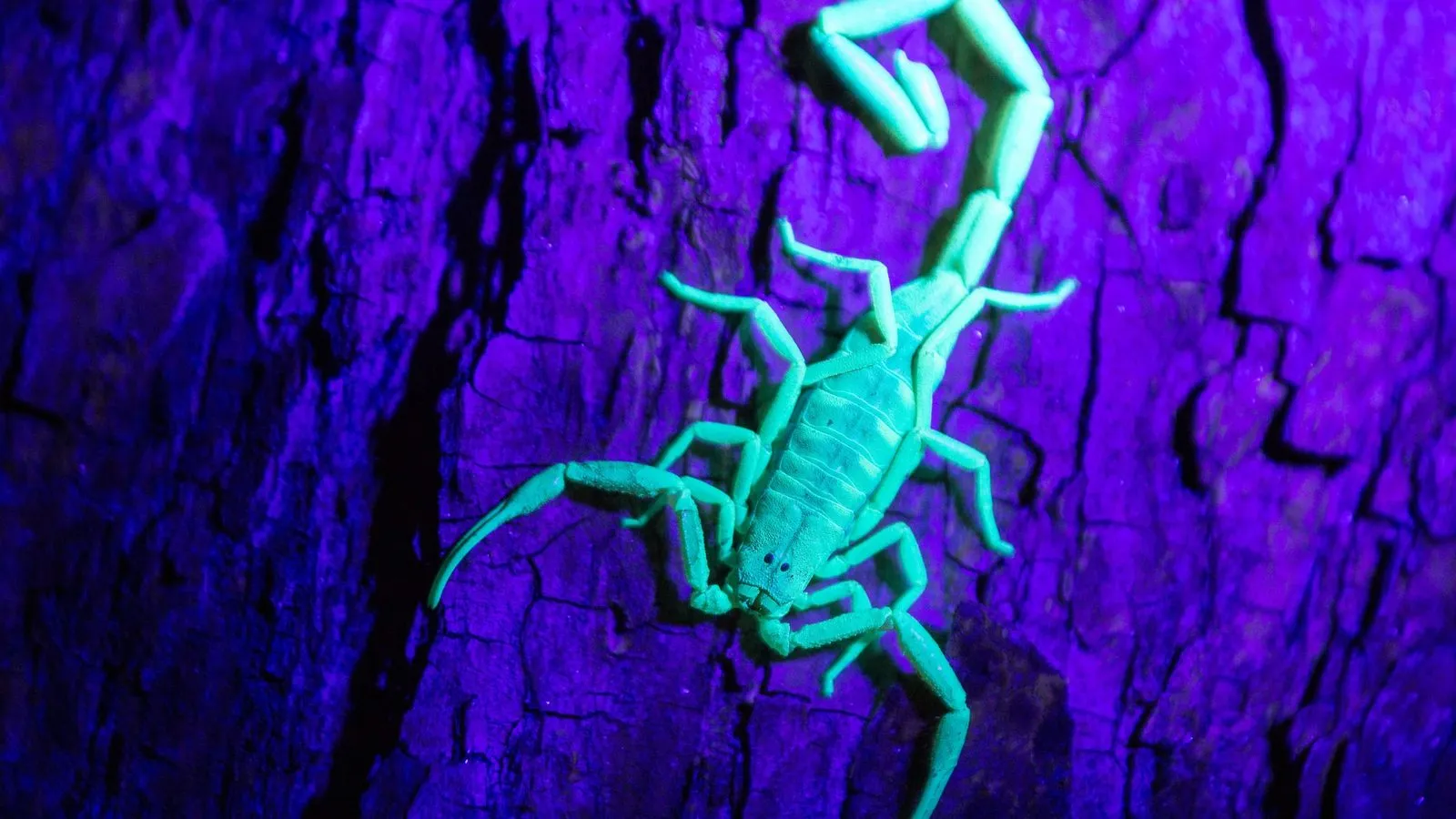
Animals That Glow Under Ultraviolet Light
Scorpions, platypuses, flying squirrels, chameleons, sea turtles and a tree frog all glow under a blacklight. Here is what scientists know about why.
-
 Pets & Zoos
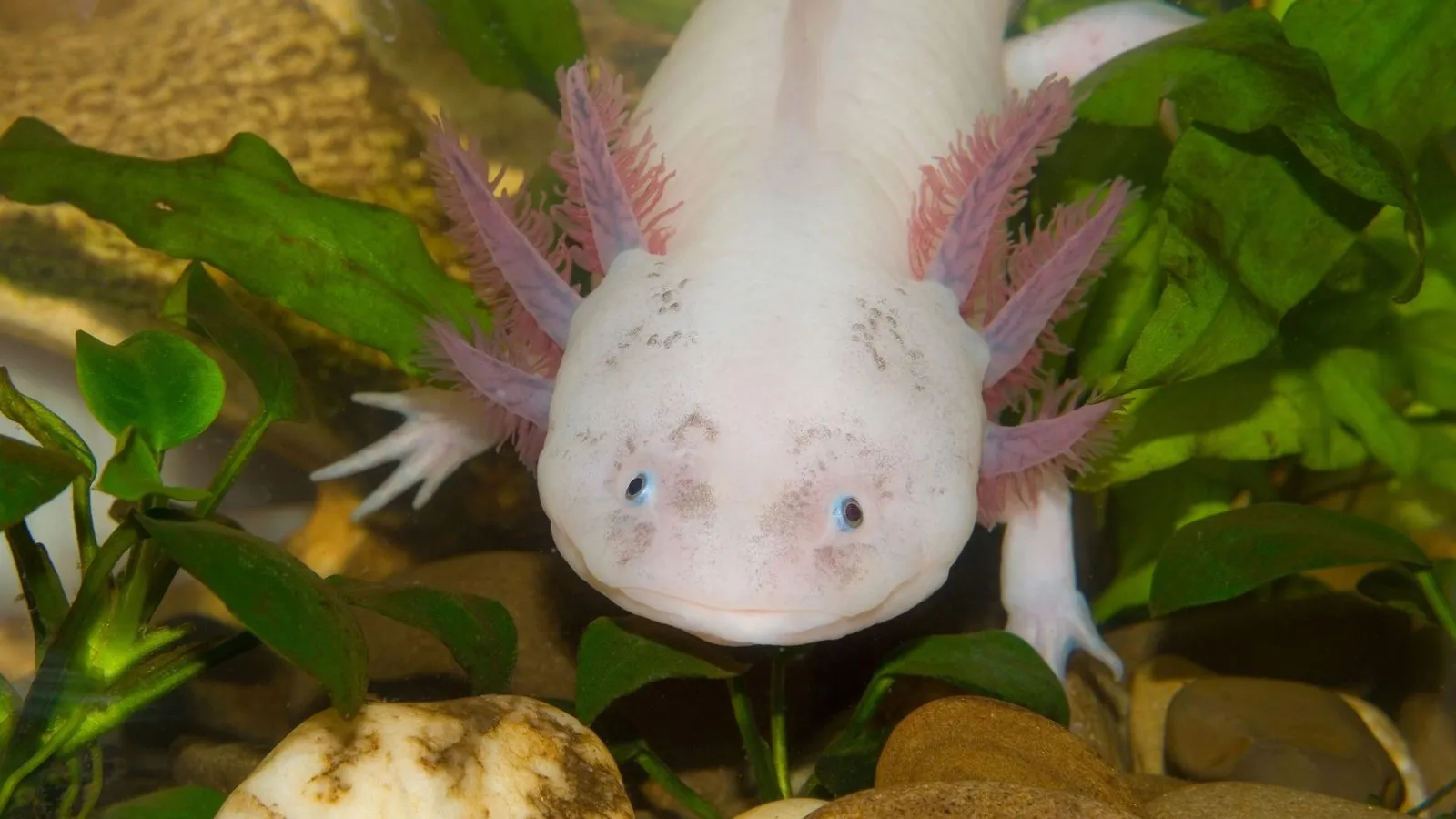
Axolotls as Pets: What Owners Should Know
Axolotls need cool, clean, still water, a sandy floor and a lot of patience. Vet guidance on their care, plus why wild ones are in trouble.
-
 Bugs & Creepy Crawlies
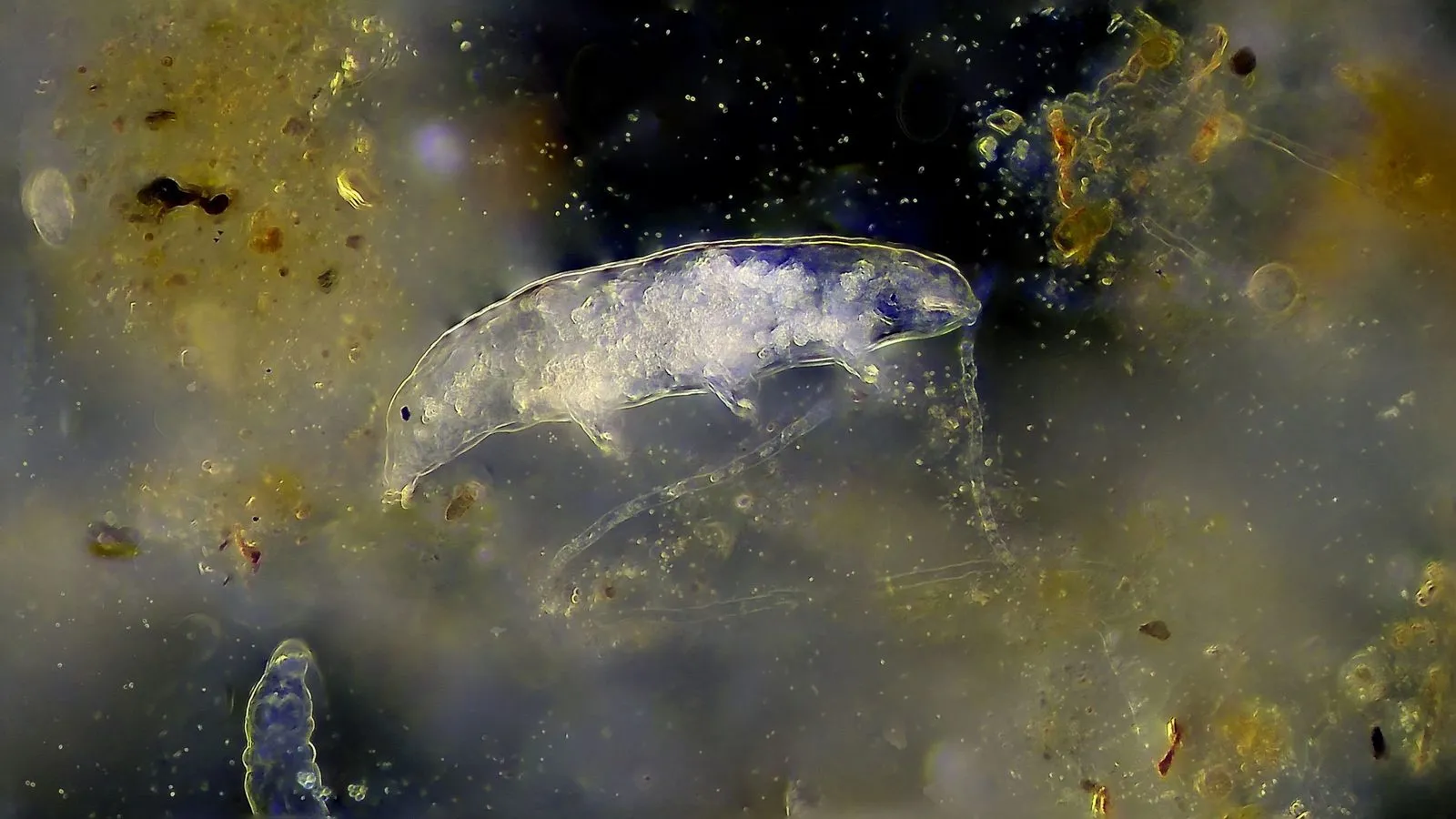
Tardigrades: The Toughest Animals on Earth
Tardigrades, or water bears, are tiny eight-legged animals that can dry out, freeze for decades and even survive the vacuum of space.
-
 Endangered
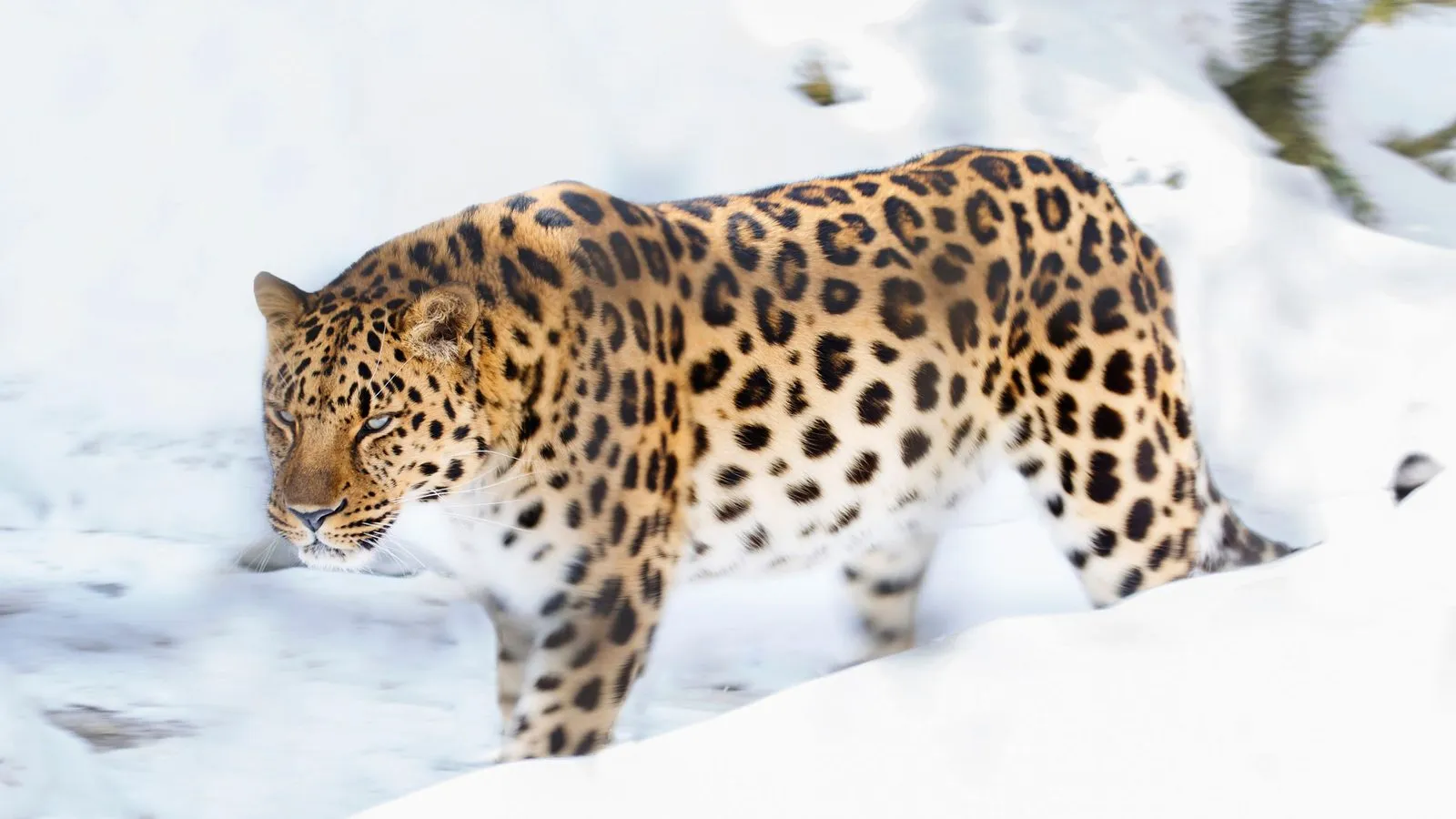
The Amur Leopard: Fewer Than Most Think
Only about 130 grown Amur leopards live in the wild, in the snowy forests where Russia meets China. Here is how they hang on.
-
 Extinct
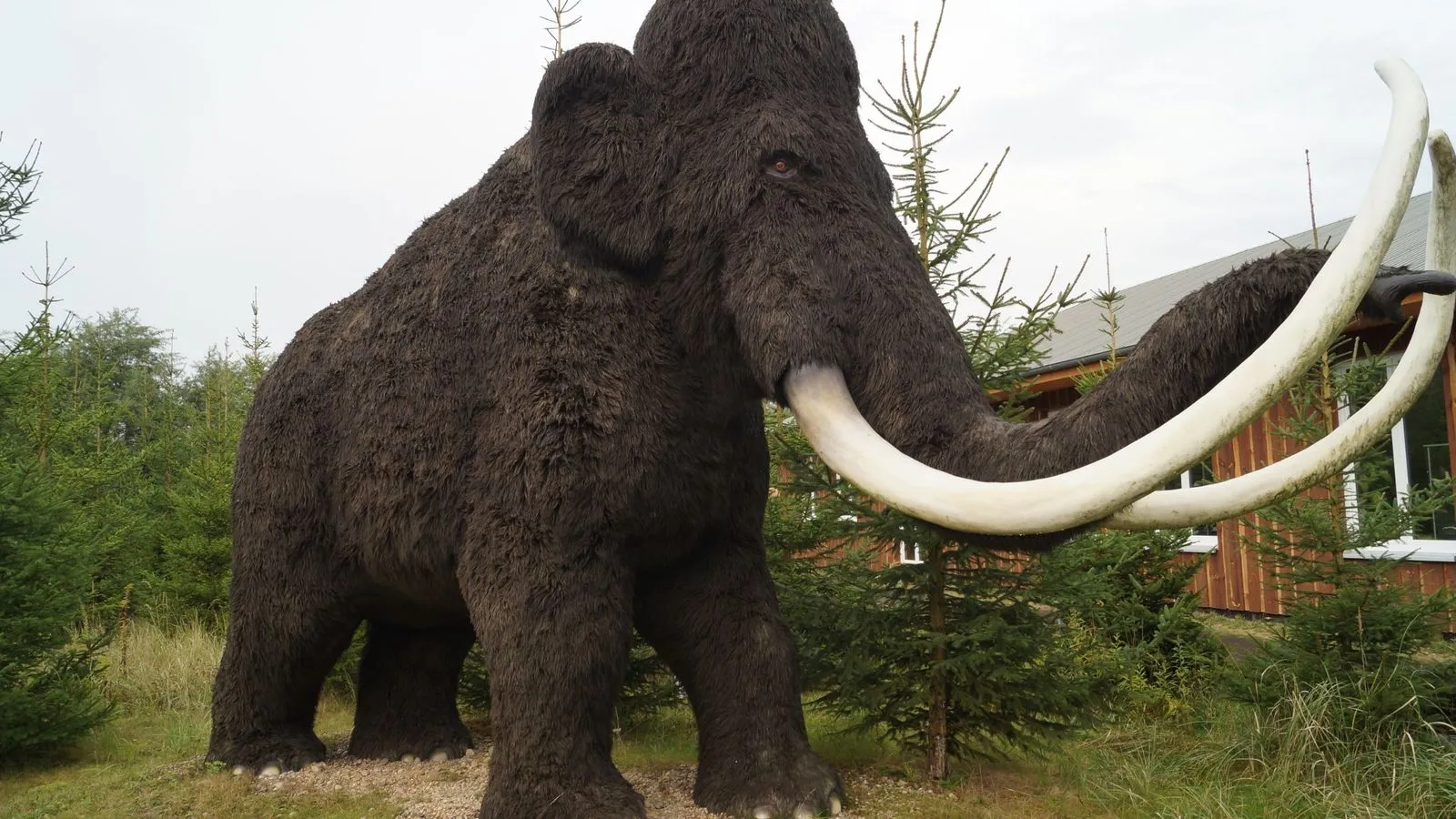
The Woolly Mammoth and Plans to Bring It Back
The last woolly mammoths died on a remote Arctic island about 4,000 years ago. Now a company wants to edit elephant genes to make a mammoth-like animal.
June 2026
-
 Weird Animals
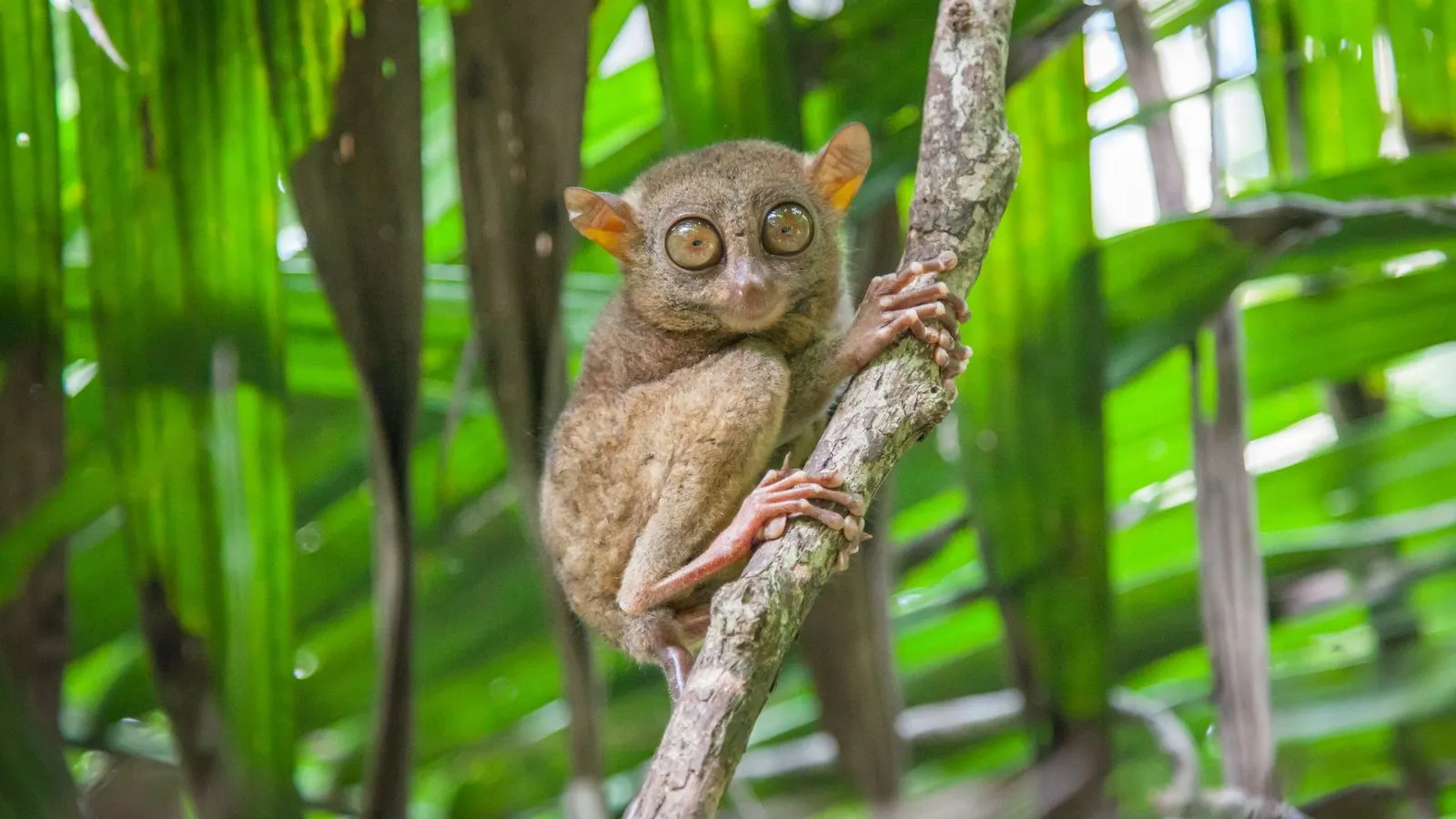
The Tarsier: Eyes Bigger Than Its Brain
A tarsier's eyes are so big that each one weighs nearly as much as its brain. This tiny Southeast Asian primate also leaps far and calls in ultrasound.
-
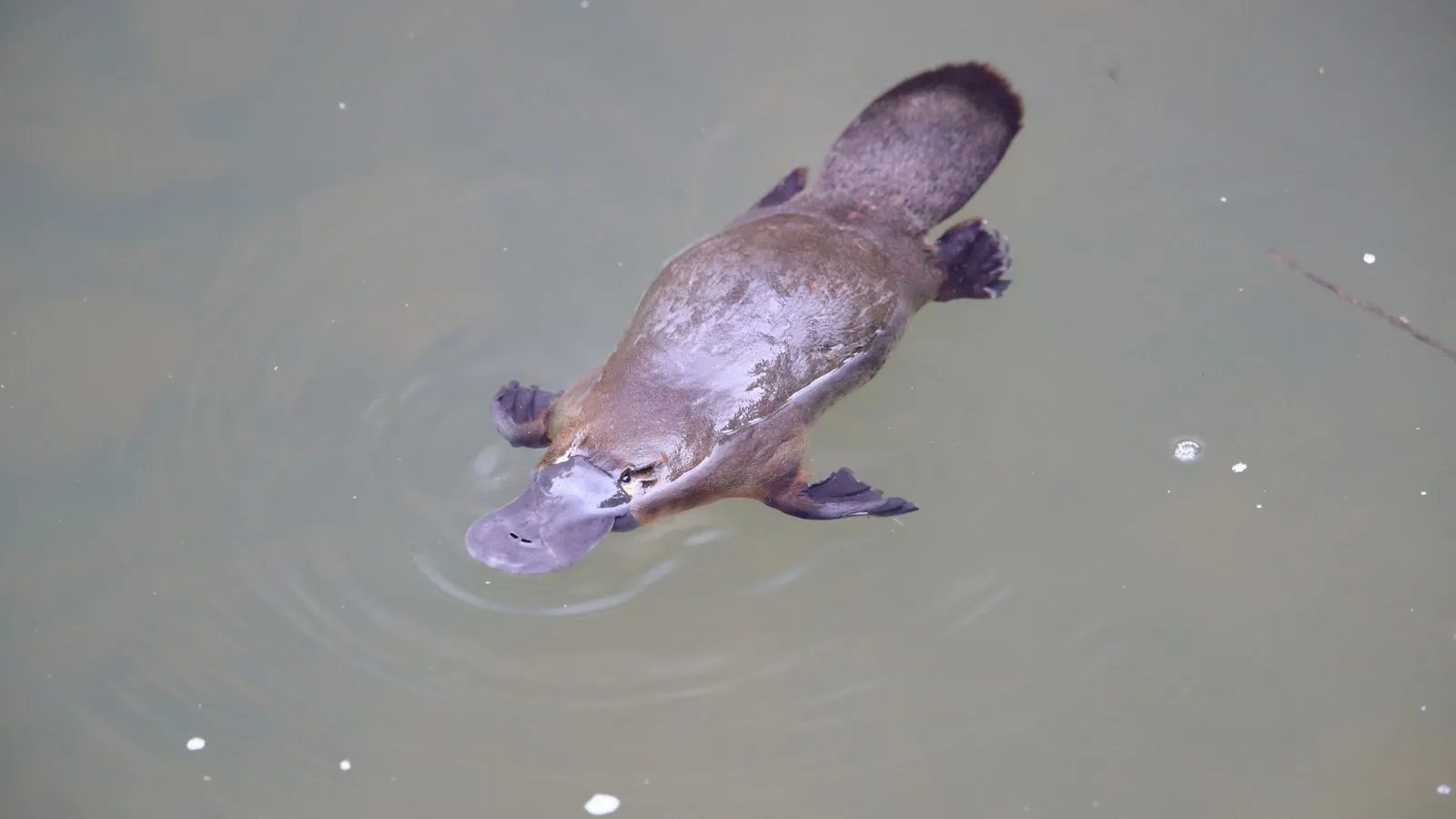 Weird Animals
The Platypus: Venom, Electrosense and Eggs
The platypus lays eggs, hunts with its eyes shut by sensing electricity, and the males carry venom. Here is how Australia's oddest mammal works.
-
 Pets & Zoos
How Smart Are Dogs Compared With Other Animals?
Dogs have more brain cells than lions or bears and read human pointing better than chimps. Here is what the research really shows.
-
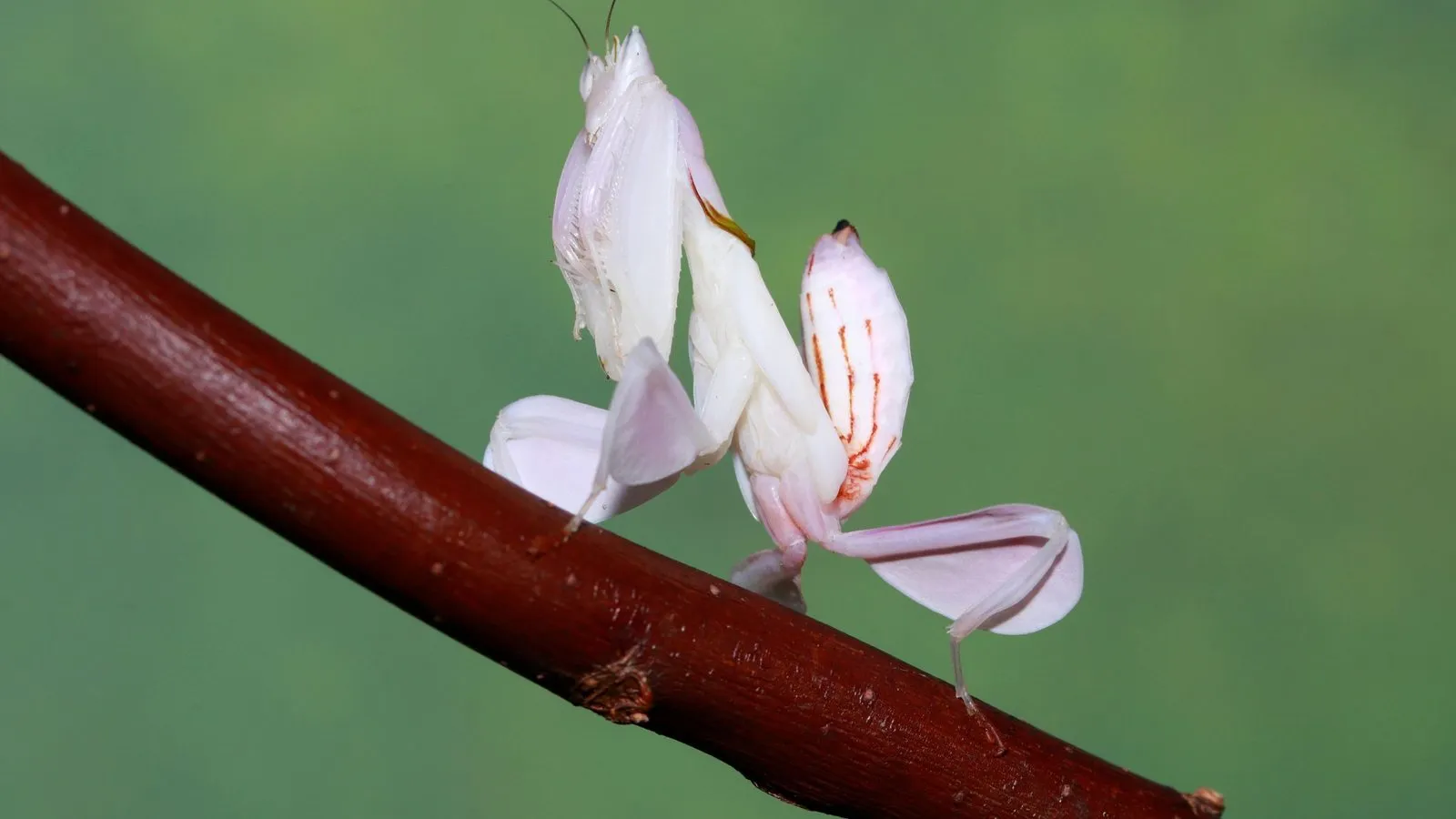 Bugs & Creepy Crawlies
Orchid Mantises: The Insect That Looks Like a Flower
The orchid mantis of Southeast Asia does not hide in flowers. It poses as one, and bees fly straight to it more often than to real blooms.
-
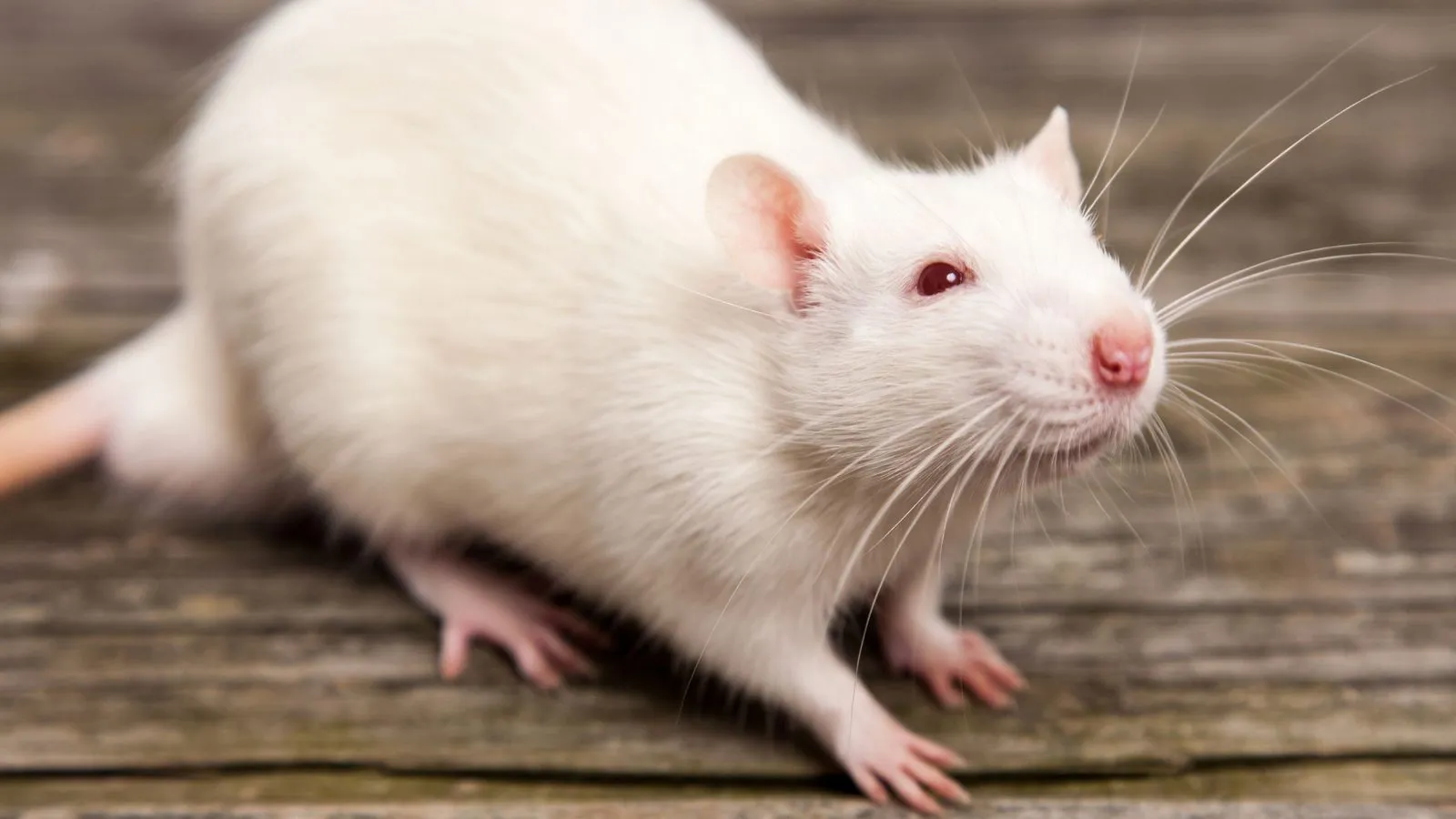 Pets & Zoos
Hamsters, Gerbils and Rats: Which Small Pet Suits You?
Hamsters mostly live alone and wake at night, gerbils are busy by day in groups, and rats need rat friends. How these three small pets differ.
-
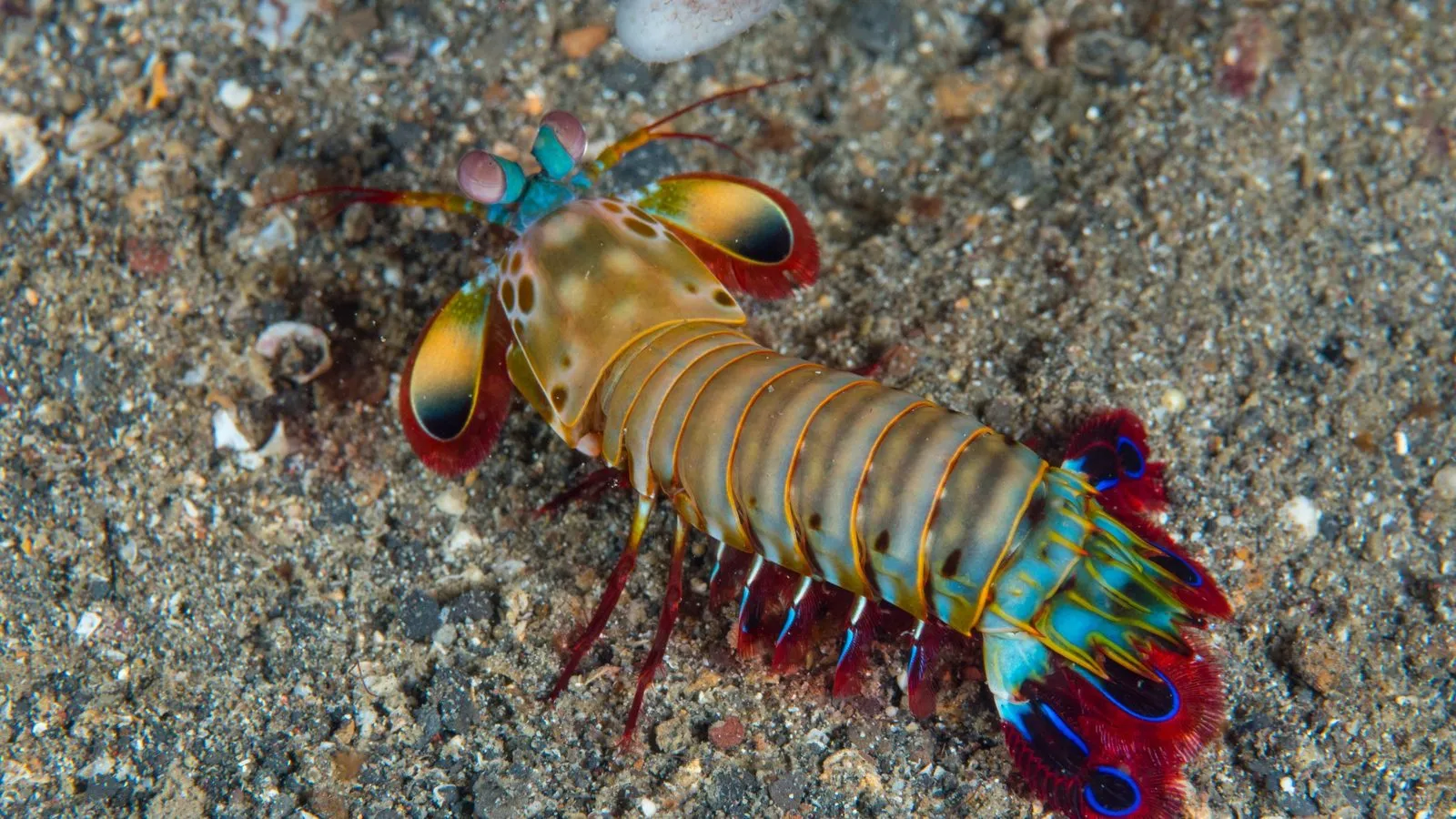 Ocean
The Mantis Shrimp and Its Record-Breaking Punch
Smasher mantis shrimp swing their clubs at up to 23 meters per second, hard enough to crack snail shells and even aquarium glass.
-
 Weird Animals
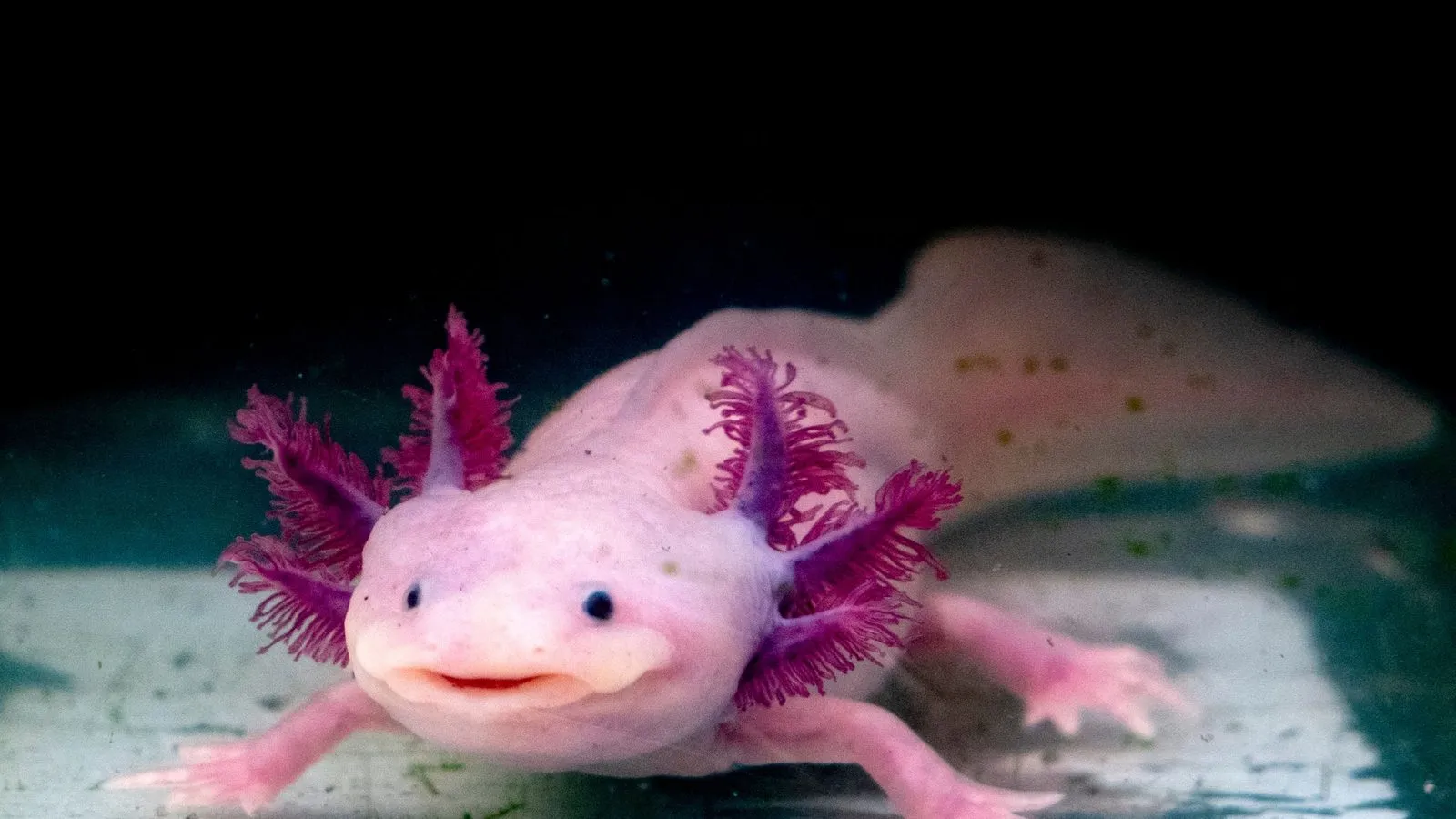
The Axolotl: The Salamander That Never Grows Up
The axolotl keeps its baby gills for life and can regrow lost limbs. Learn how Mexico's water monster lives, and why it is Critically Endangered.
-
 Pets & Zoos
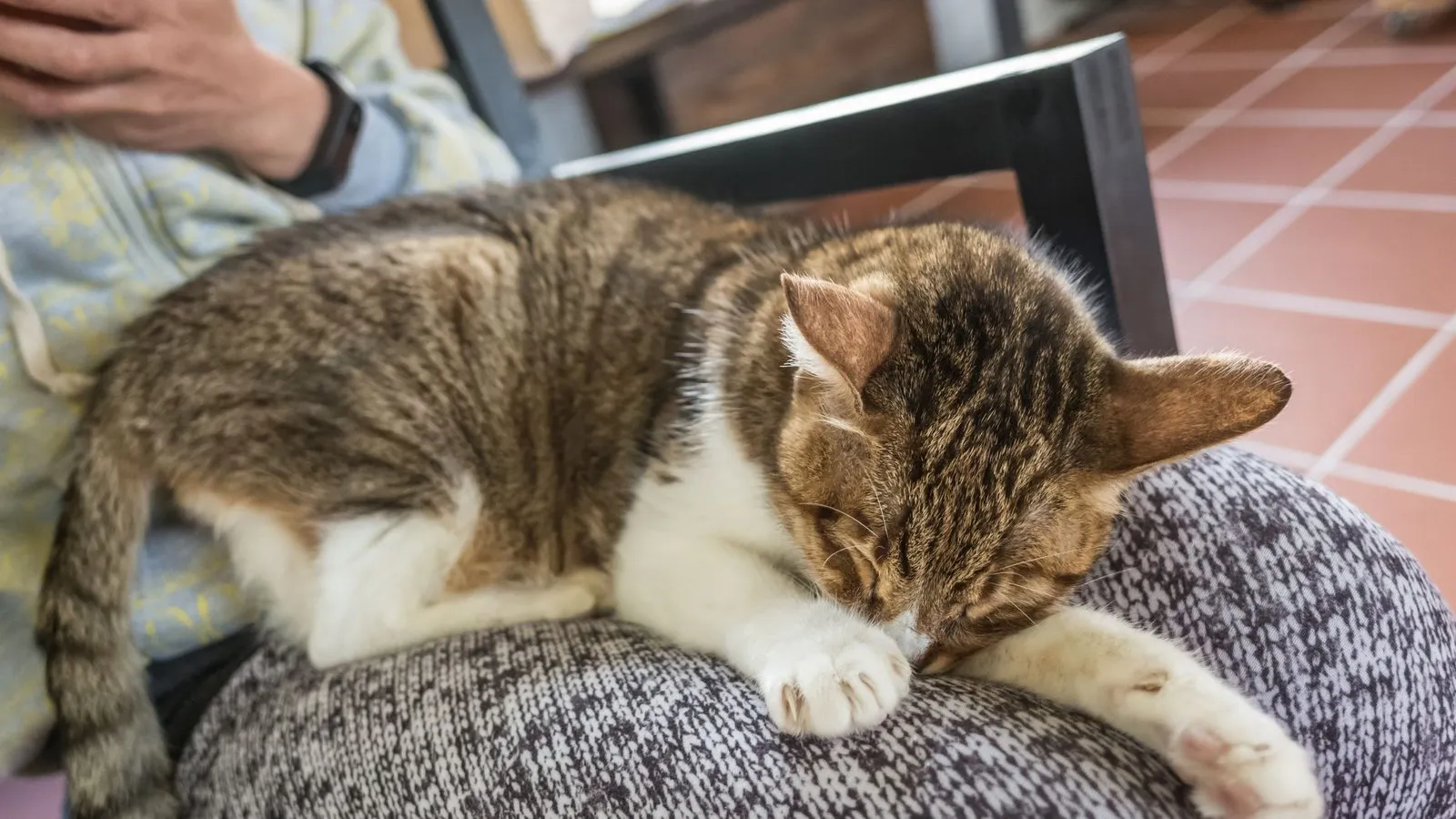
Why Do Cats Purr?
Cats purr when content, when nursing, and even when hurt. Here is what the voice box does and what vets think the sound is for.
-
 Bugs & Creepy Crawlies
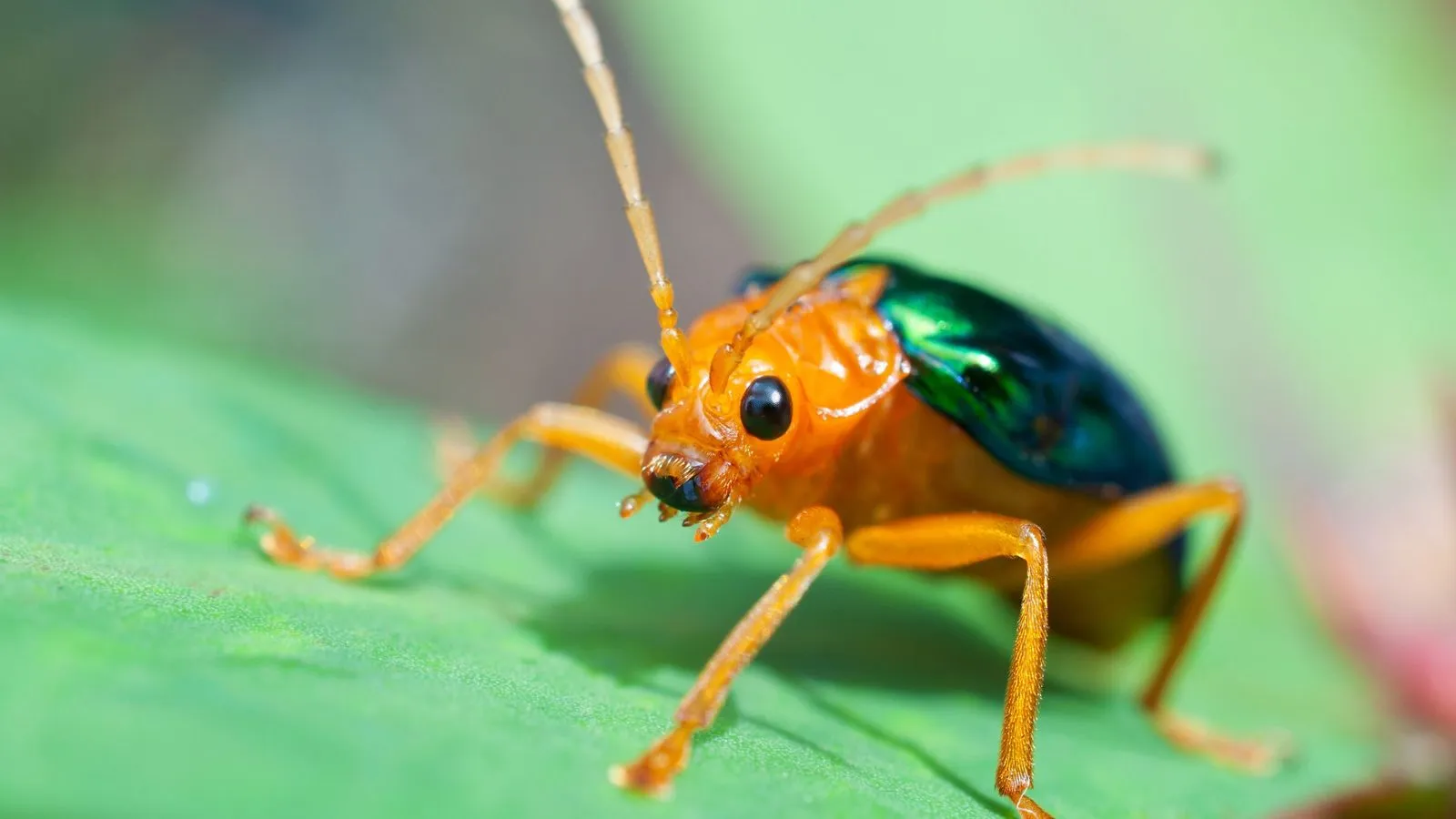
The Bombardier Beetle's Boiling Chemical Spray
Bombardier beetles mix chemicals inside their bodies to fire a spray near 100 degrees Celsius, in hundreds of tiny explosions every second.
-
 Extinct
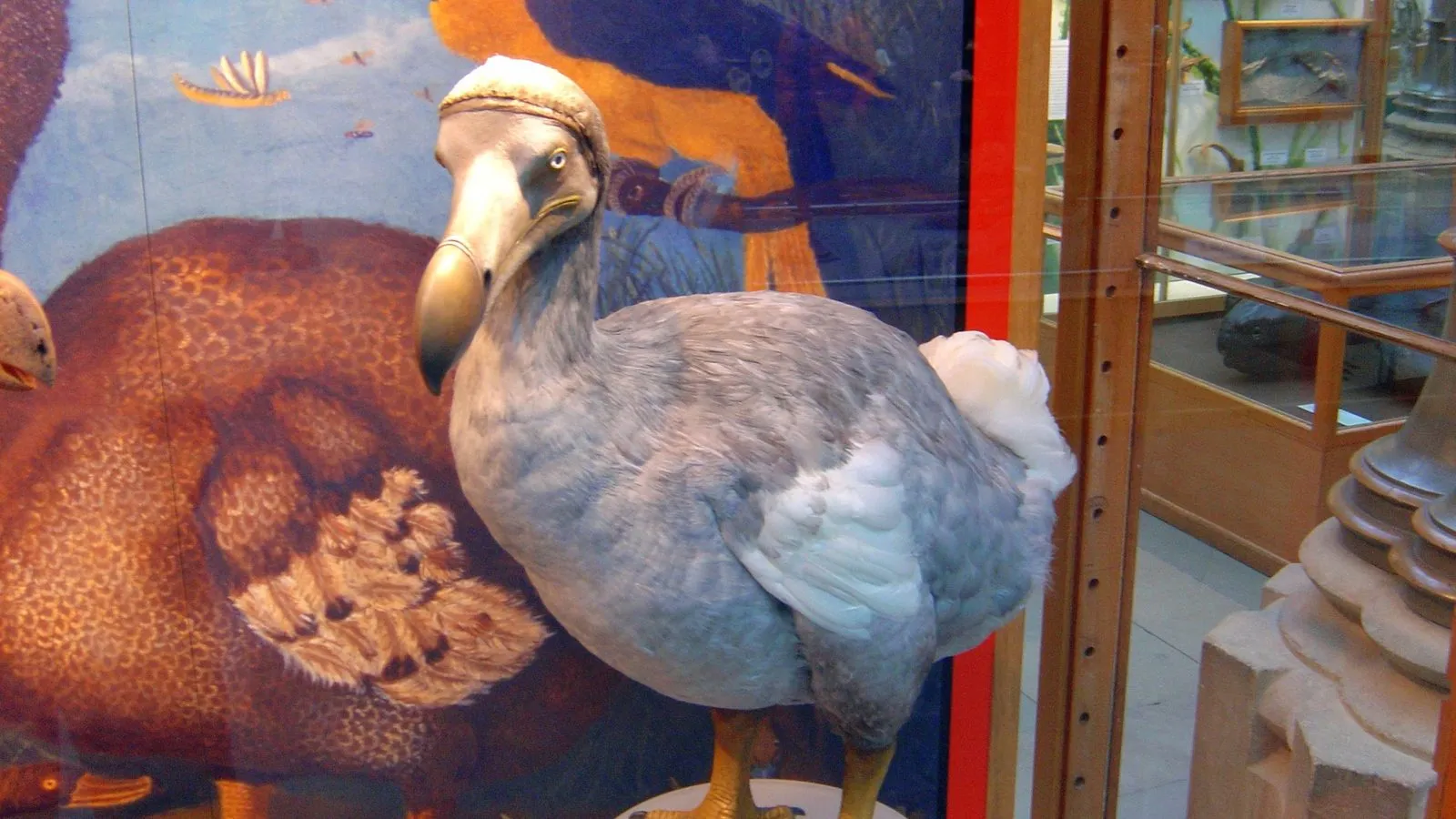
The Dodo: What Really Happened to It
The dodo was a giant, flightless pigeon from Mauritius that vanished within a century of Dutch sailors landing there in 1598. Here is how it happened.
-
 Ocean
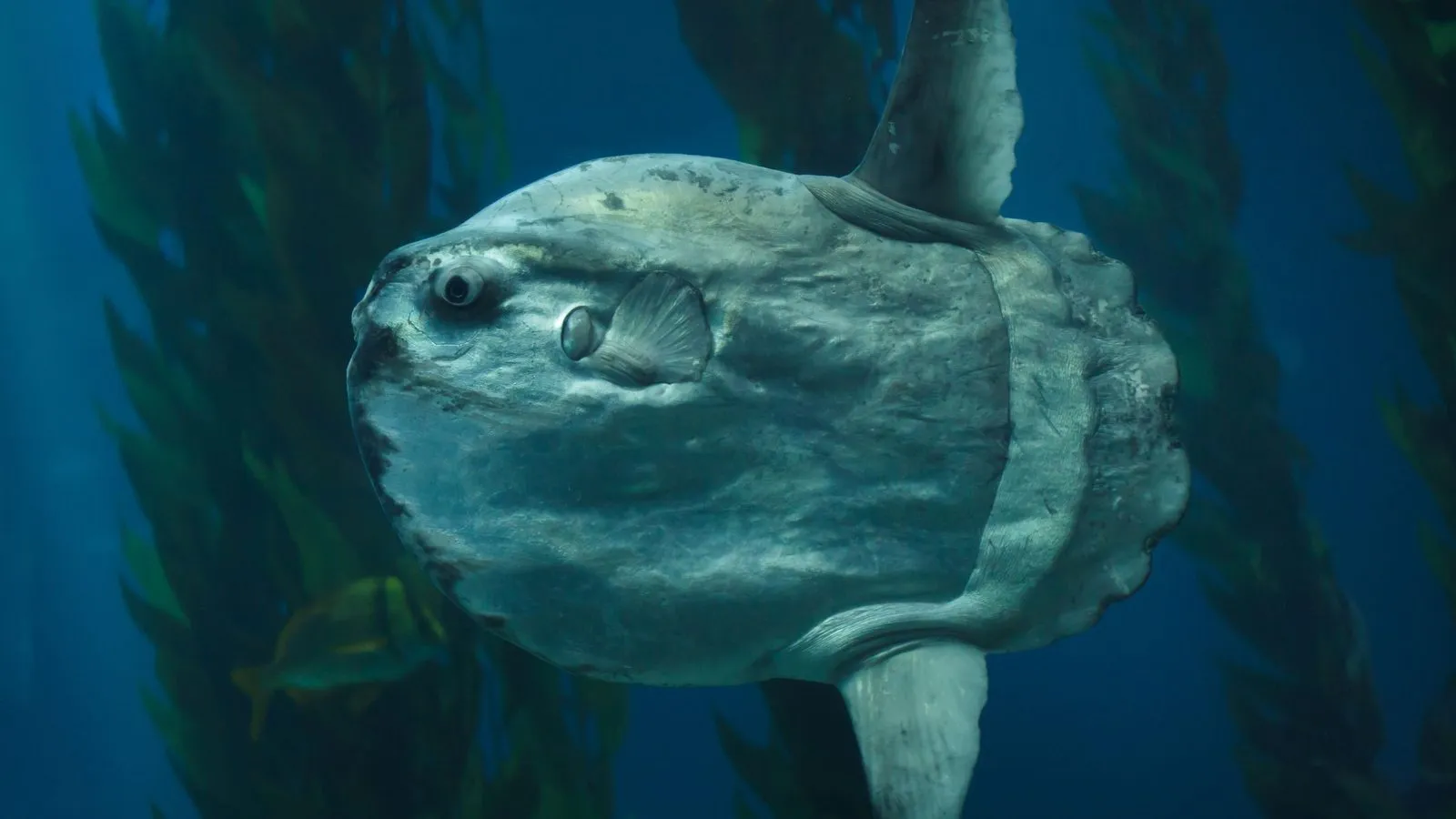
The Ocean Sunfish: The World's Heaviest Bony Fish
Sunfish are the heaviest bony fish in the sea. The record holder, found off the Azores in 2021, weighed 2,744 kilograms, more than a pickup truck.
-
 Weird Animals
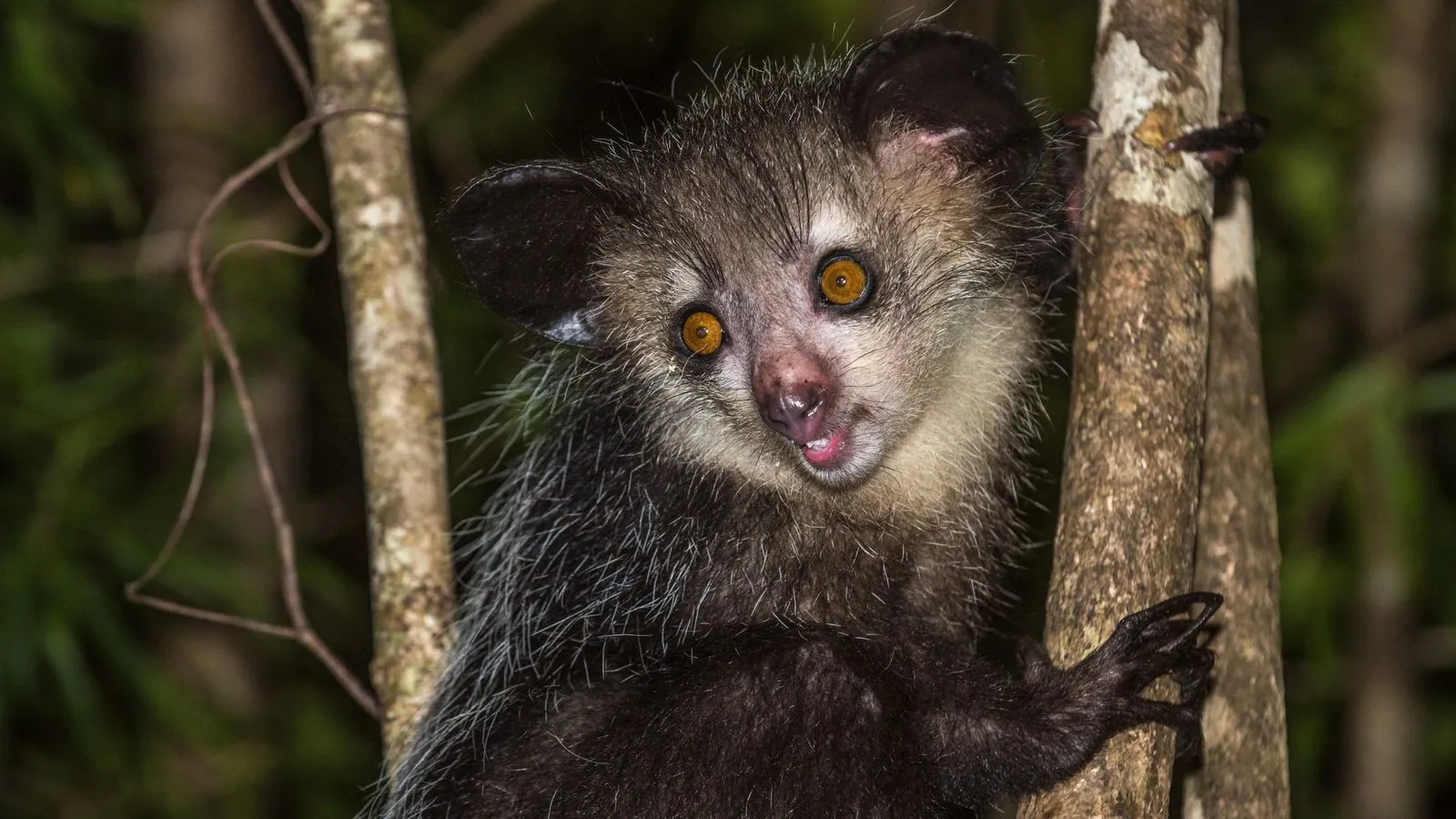
The Aye-Aye: Madagascar's Finger-Tapping Lemur
The aye-aye taps on wood with a long, bony middle finger to find hidden grubs. Meet Madagascar's strangest lemur and learn why it is endangered.