Bugs & Creepy Crawlies
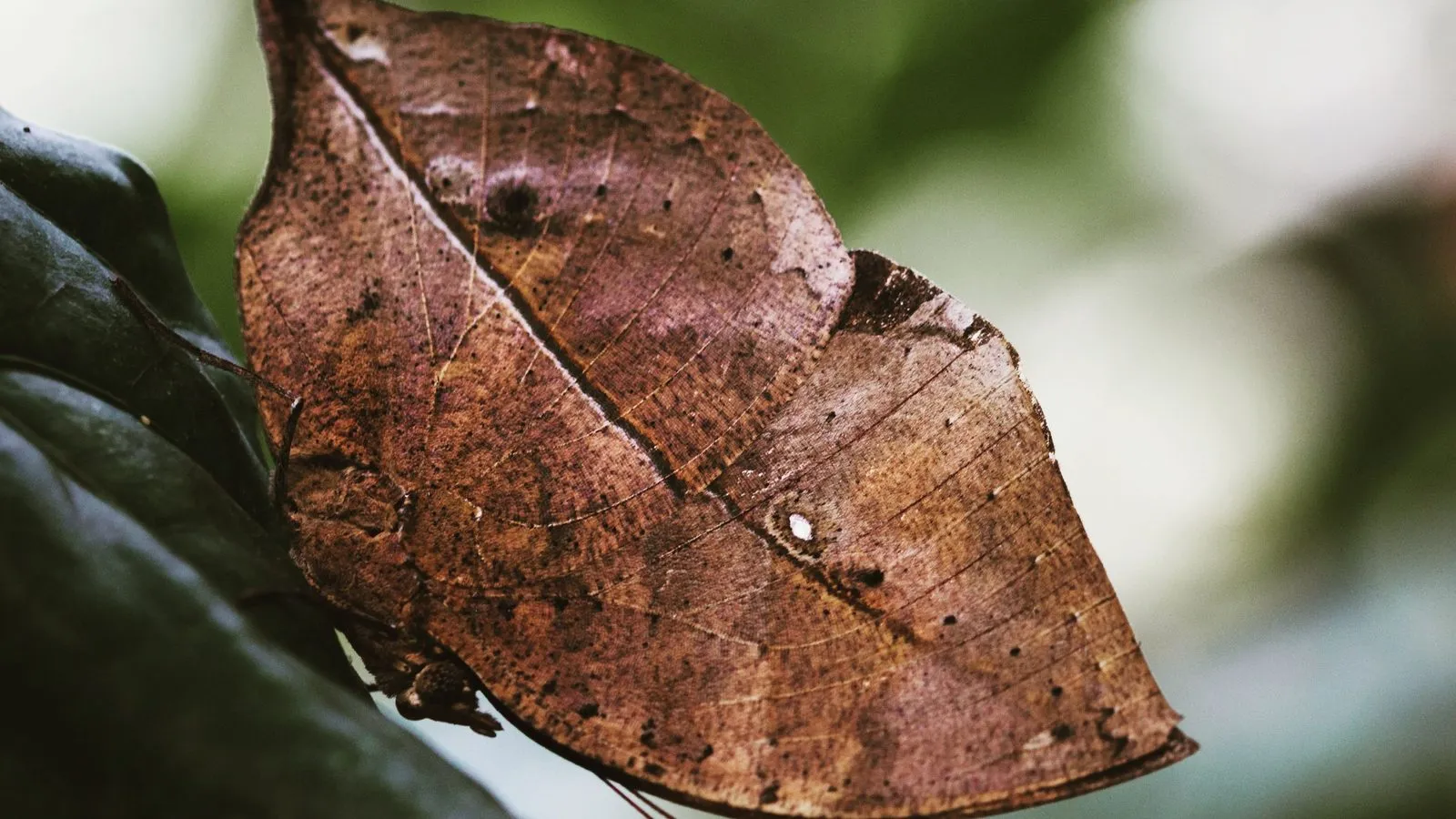
Insects That Use Camouflage to Hide
From butterflies that look like dead leaves to caterpillars that sense color through their skin, these insects survive by not being seen.
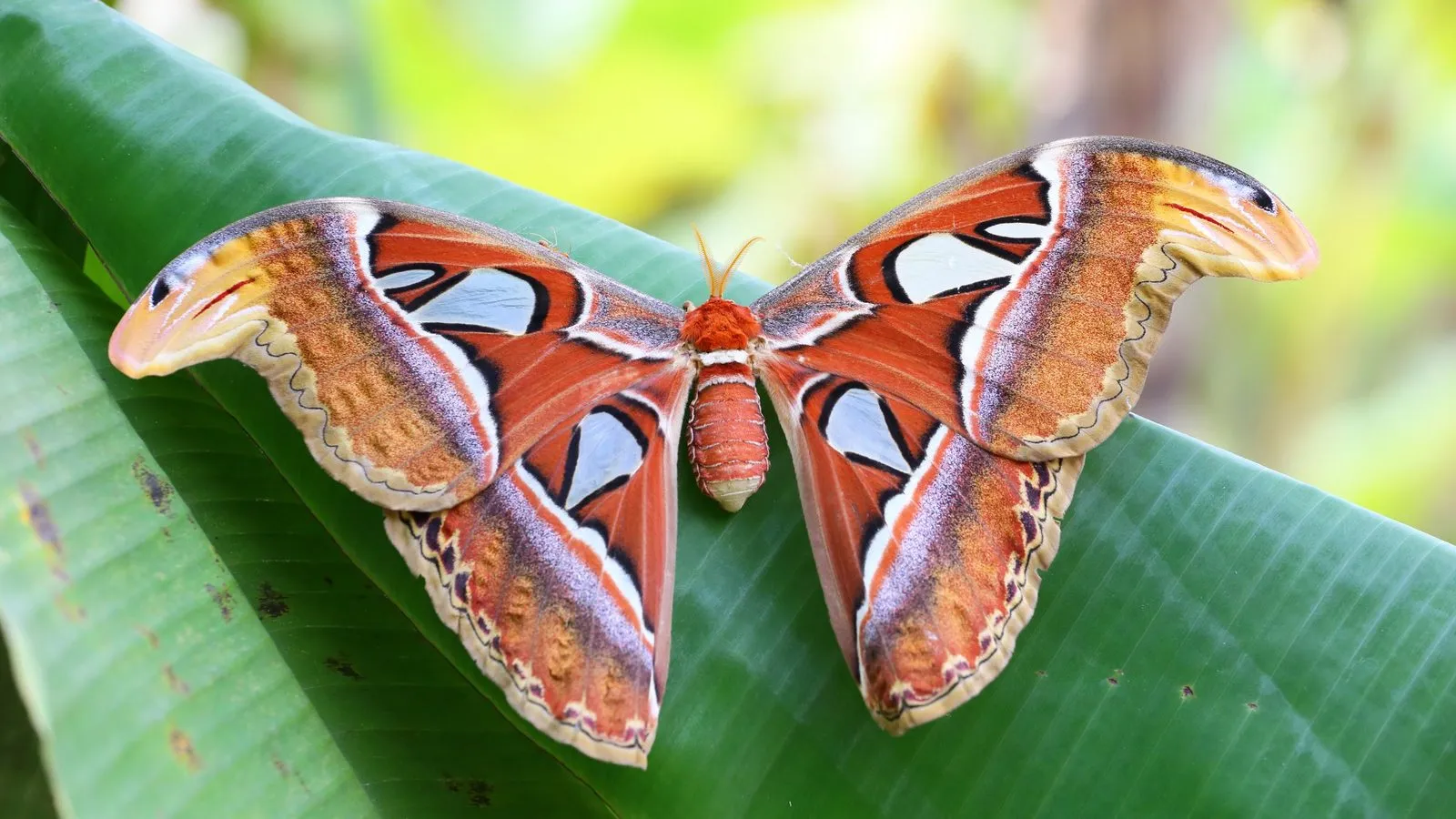
The Atlas Moth: Wings Like a Cobra's Head
The giant Atlas moth of Asia has wingtips shaped like snake heads, lives only a week or two as an adult, and never eats once it has wings.
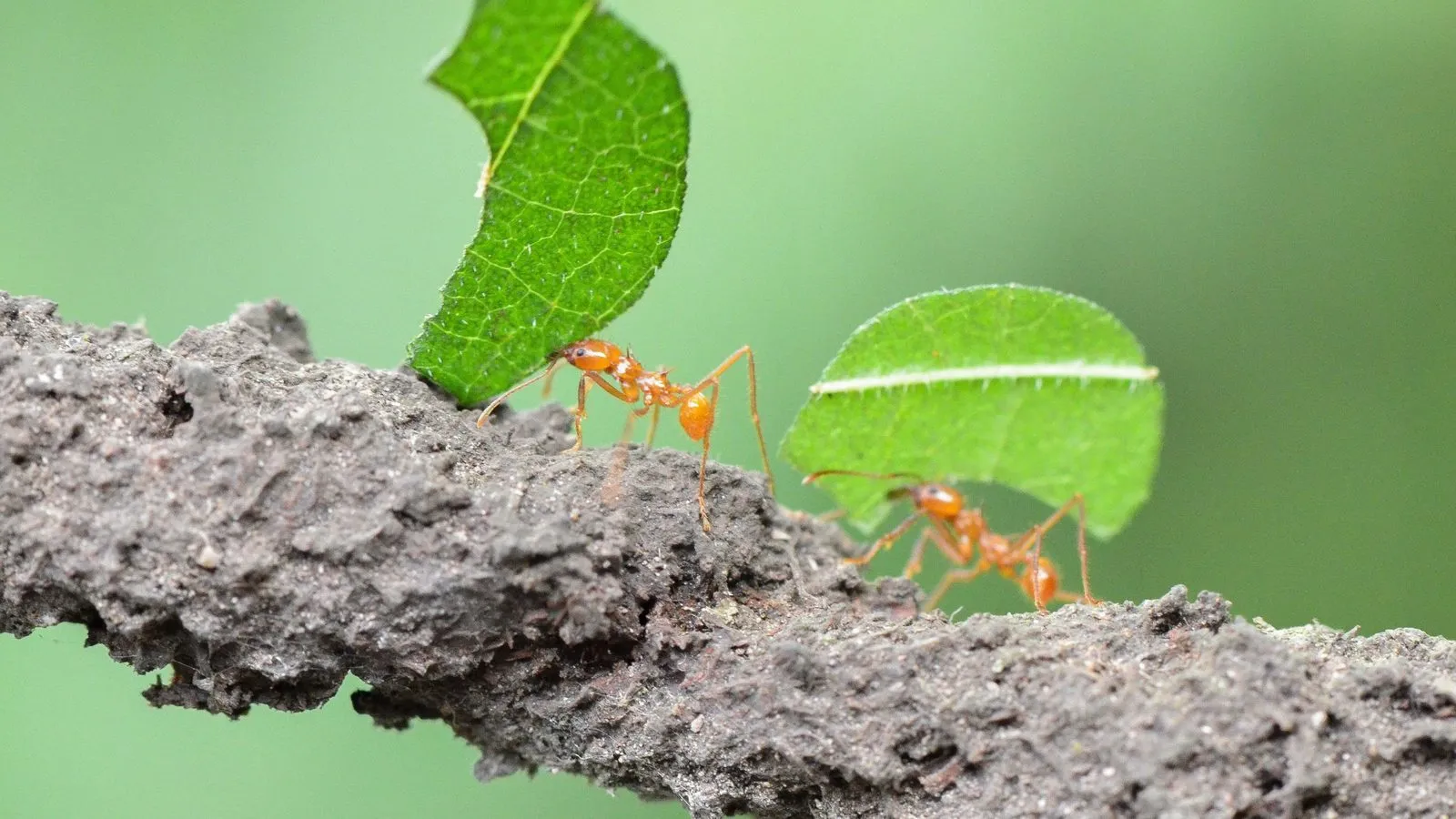
Leafcutter Ants and Their Fungus Farms
Leafcutter ants do not eat the leaves they carry. They feed them to fungus gardens underground, a kind of farming ants began long before people.
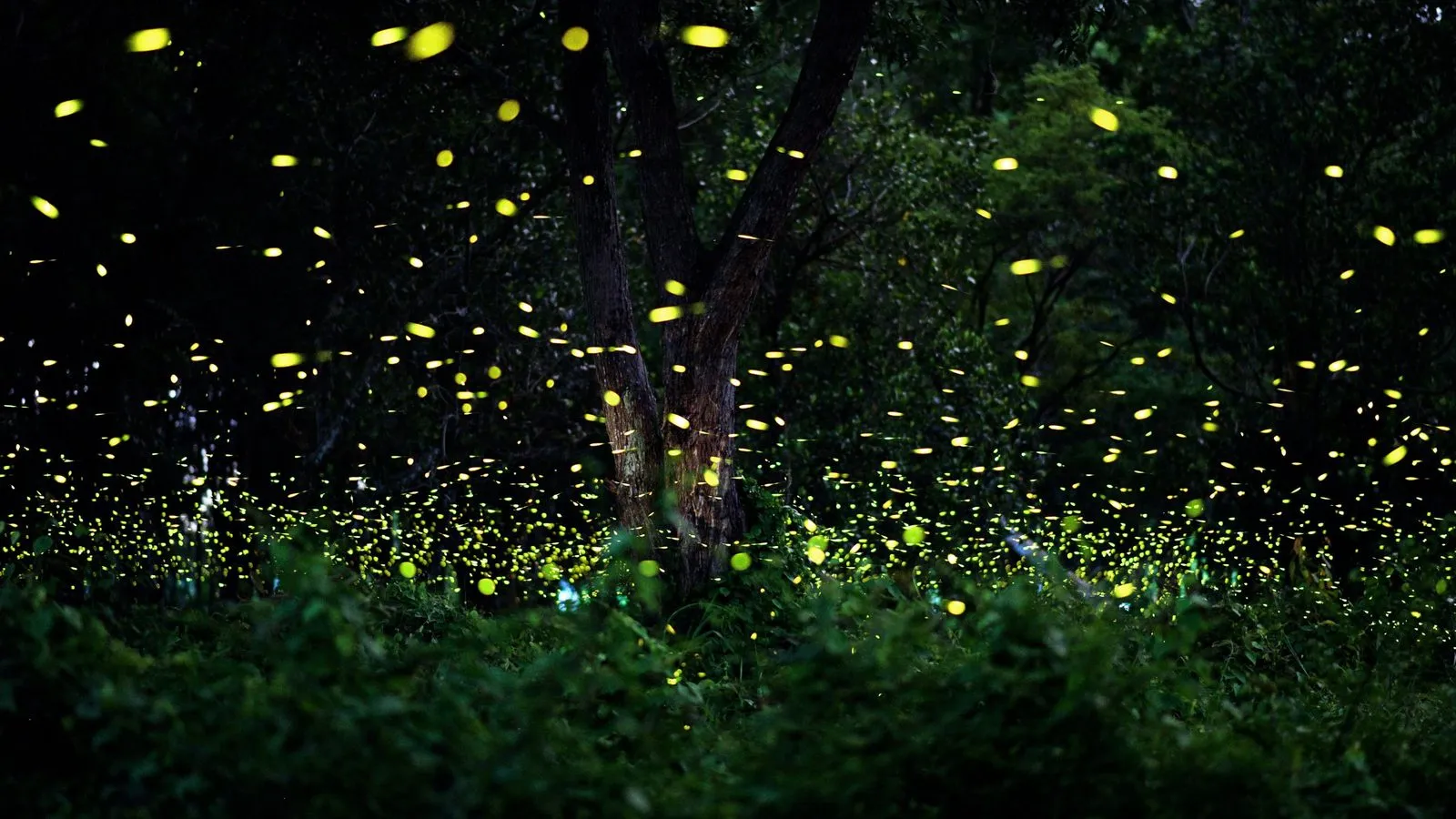
Fireflies: How and Why They Light Up
Fireflies make cold light from a chemical reaction in their abdomens, and switch it on and off to court mates, warn predators and set traps.
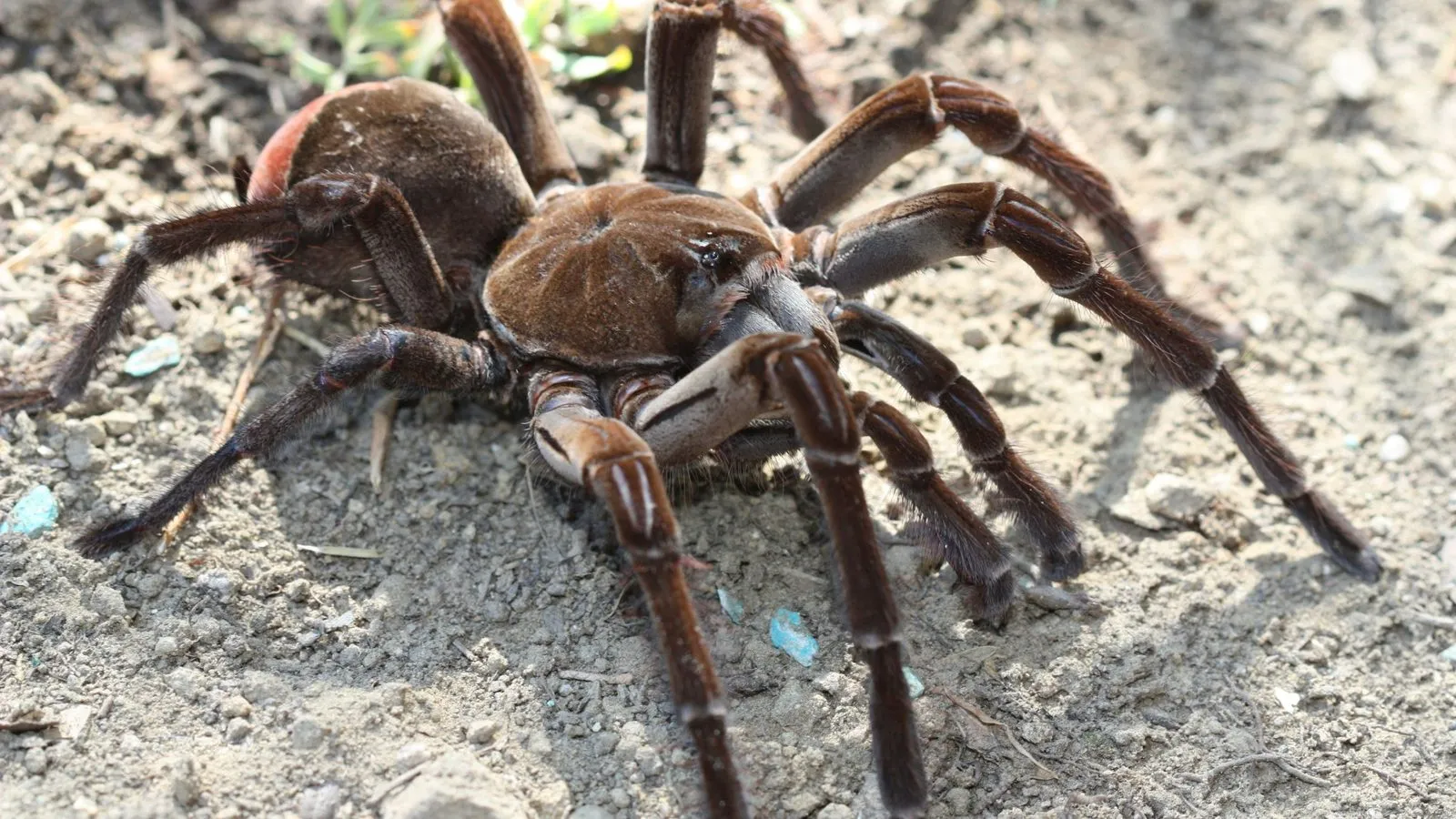
The Goliath Birdeater: The Heaviest Spider
The Goliath birdeater of South America is the heaviest spider known, at up to 175 grams. Despite its name, it mostly eats worms and insects.
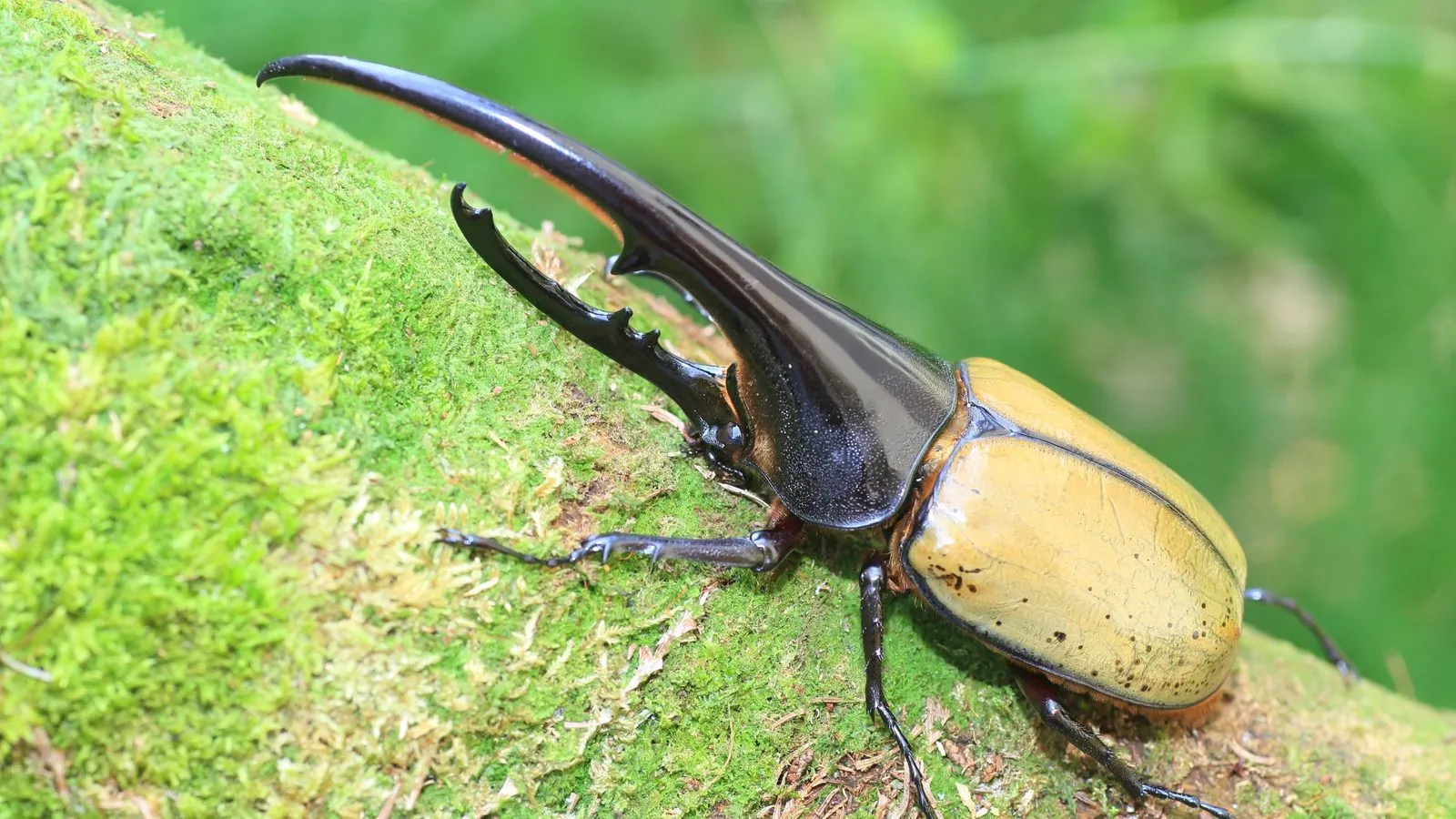
The Hercules Beetle: Strength for Its Size
Male Hercules beetles grow up to 19 centimeters long, more than half of it horn. They use those horns like pliers to lift rivals and throw them to the ground.
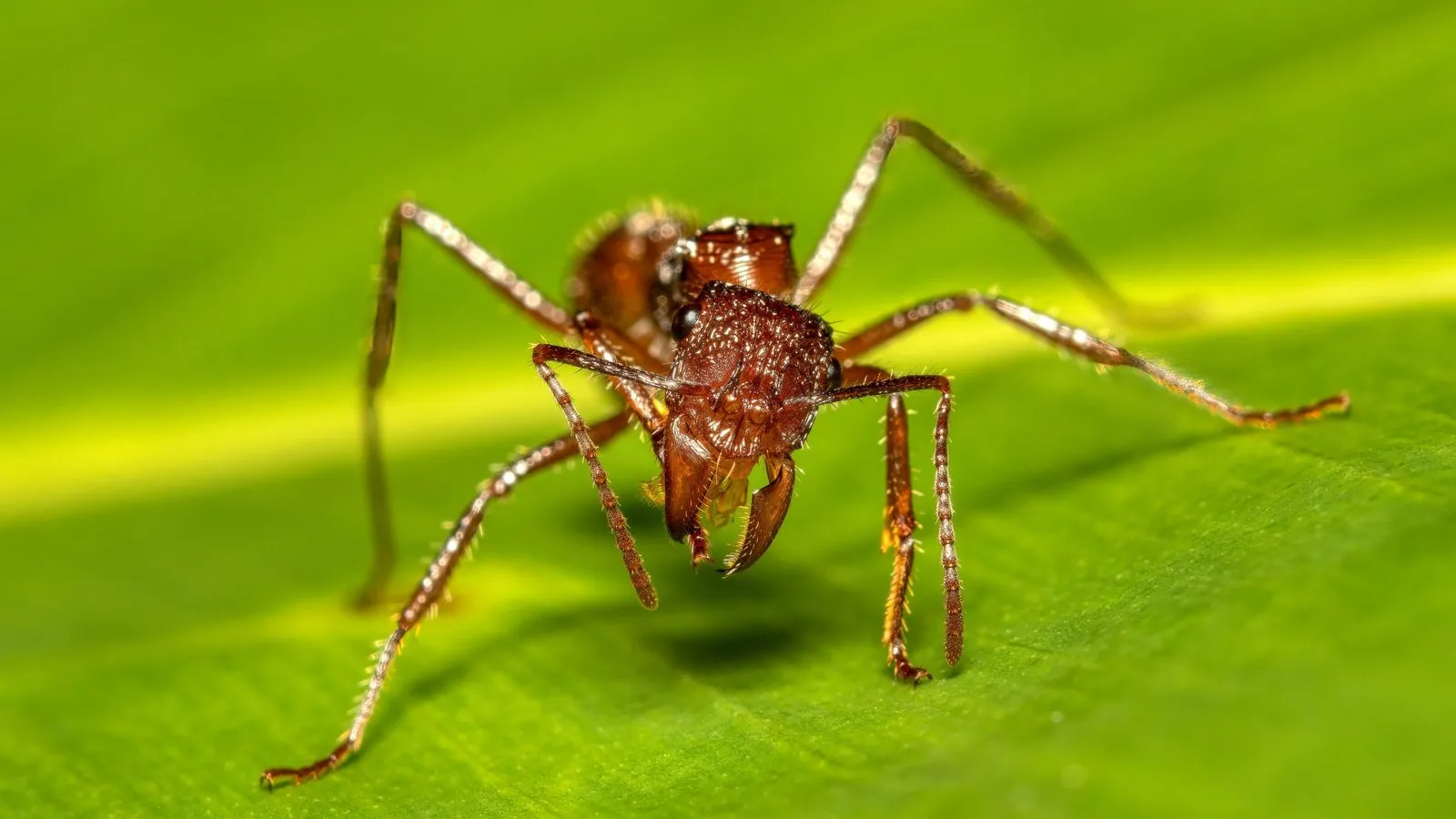
Bullet Ants and the Most Painful Sting
The bullet ant of Central and South America tops the Schmidt sting pain index. Here is why its sting hurts so much and for so long.
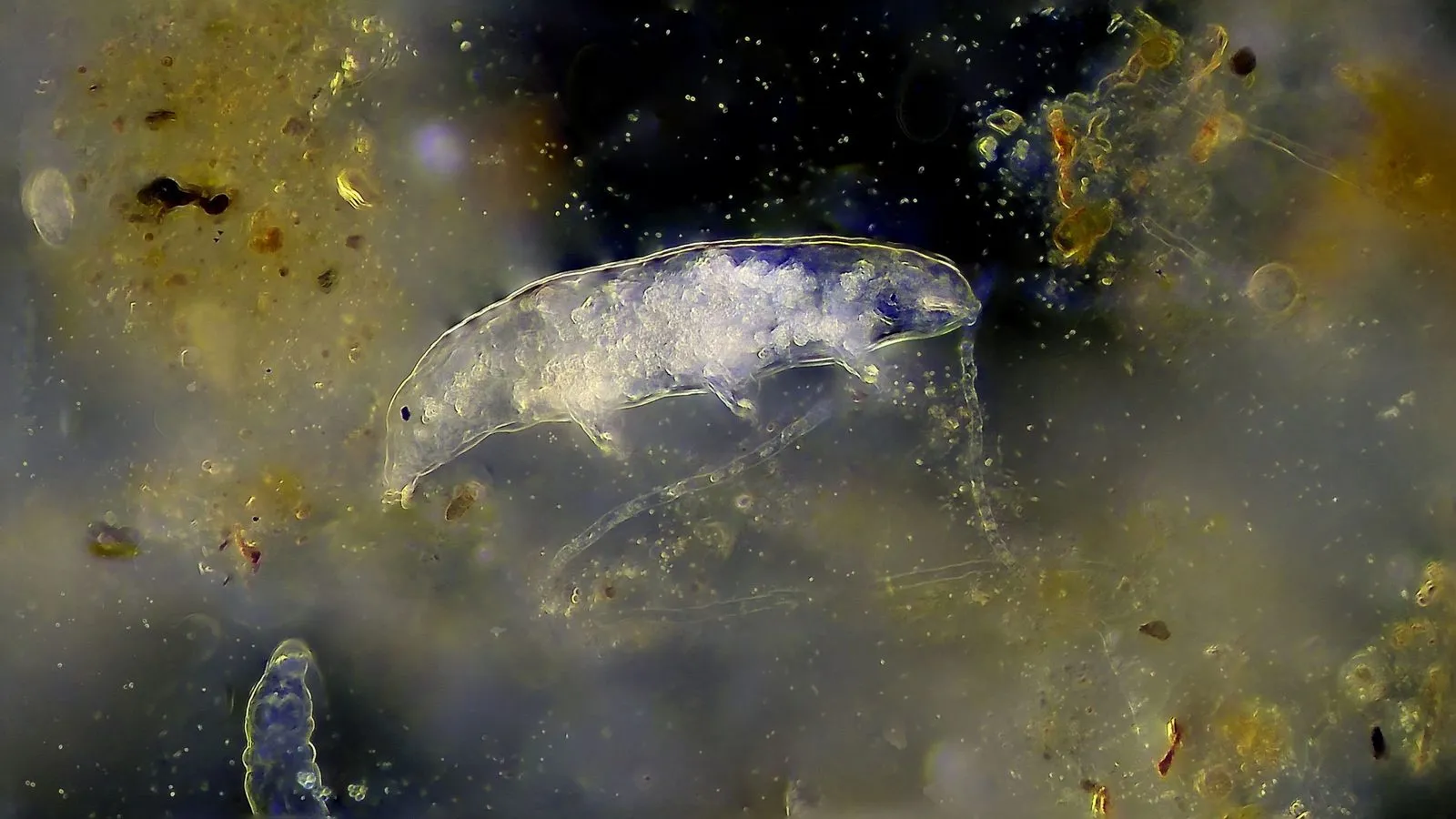
Tardigrades: The Toughest Animals on Earth
Tardigrades, or water bears, are tiny eight-legged animals that can dry out, freeze for decades and even survive the vacuum of space.
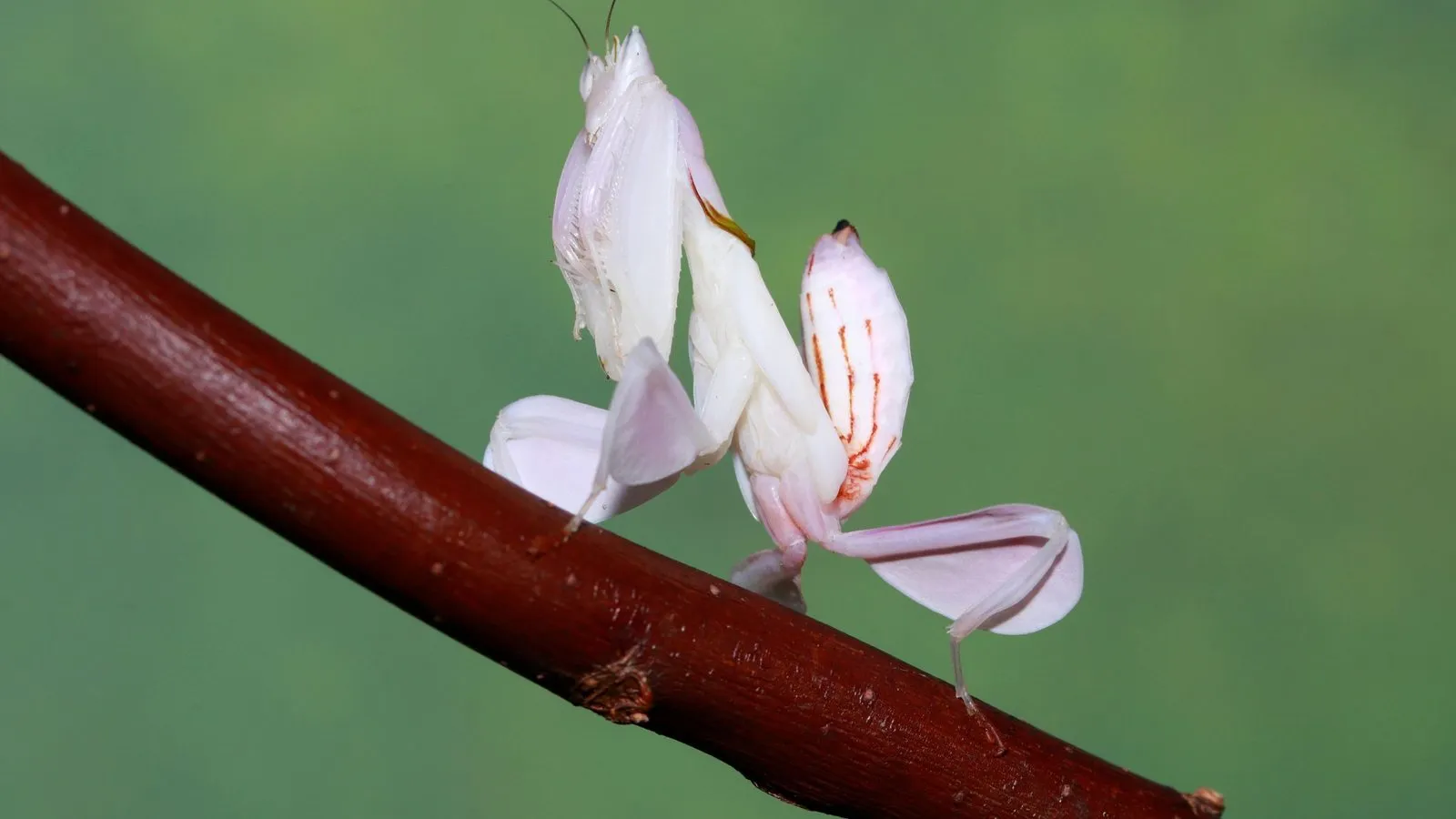
Orchid Mantises: The Insect That Looks Like a Flower
The orchid mantis of Southeast Asia does not hide in flowers. It poses as one, and bees fly straight to it more often than to real blooms.
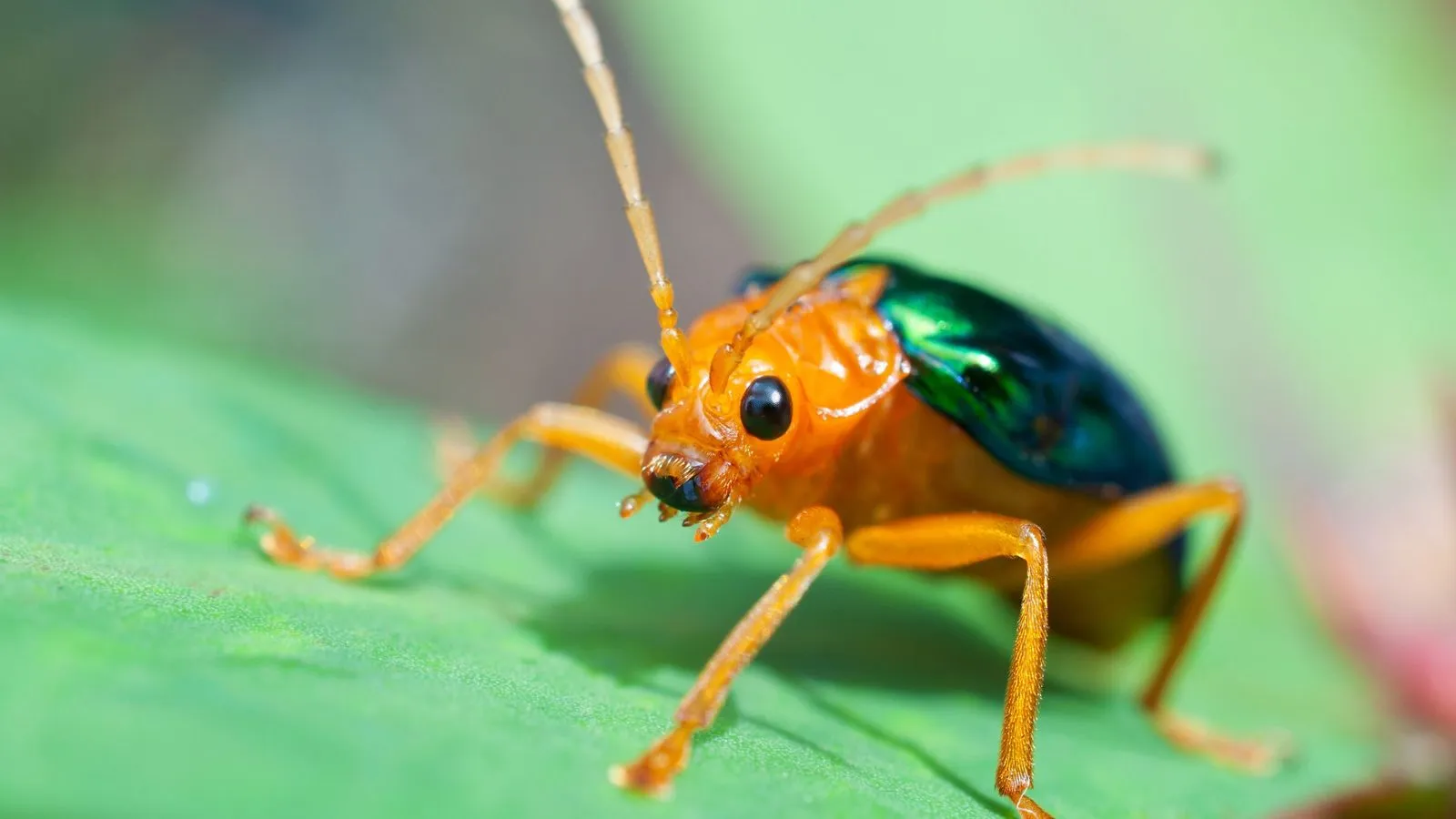
The Bombardier Beetle's Boiling Chemical Spray
Bombardier beetles mix chemicals inside their bodies to fire a spray near 100 degrees Celsius, in hundreds of tiny explosions every second.