Hamsters, gerbils and rats are all small rodents, but they live very different lives. Most pet hamsters are night-time loners, gerbils are busy by day and need company, and rats are social, clever animals that should never live alone. Knowing those differences is the best way to judge which one fits your household.
Hamsters: night owls that like their own space
The RSPCA counts 24 species of hamster, of which five are most often kept as pets: the Syrian, the Chinese, Campbell’s Russian dwarf, the winter white dwarf and Roborovski’s dwarf. The Syrian, also called the golden hamster, originally comes from a small region of the Middle East near Jerusalem, according to the Royal Veterinary College in London.
Hamsters are nocturnal, which is why they have large eyes suited to low light. The college notes they may bite, so they need careful handling.
Company is a big difference between the types. In the wild, grown Syrian hamsters live in lone burrows, and the RSPCA says Syrian and Chinese hamsters should not live together because they are not naturally sociable. The college puts it bluntly: Syrians will fight if kept together. With the right care and conditions, dwarf species such as Roborovski’s, Campbell’s Russian and winter white dwarf hamsters can live together, though the college says they need a very large enclosure and close watching for signs of fighting.
Hamsters love to dig and hoard. The name comes from the German word hamstern, meaning “to hoard,” and a Syrian hamster can carry up to half its body weight in food in its cheek pouches. Their whiskers can flick back and forth at up to 30 times a second as they explore.
The college says a Syrian hamster can live 1.5 to 2.5 years if looked after correctly.
Gerbils: daytime diggers that need a friend
The gerbil most often kept as a pet is the Mongolian gerbil. Its scientific name translates as “little clawed warrior.” Gerbils are adapted to desert life in Africa, India and Asia, and in the wild they dig deep burrows with tunnels and chambers for food and nests. The RSPCA says these can reach 1.7 meters underground and spread 6 to 8 meters sideways.
Unlike hamsters, gerbils are generally active during the day. They are agile, though they cannot climb well because fur covers the soles of their feet. When alarmed, they thump the ground rapidly with their long hind legs.
Gerbils are sociable animals, and the RSPCA says they should never be kept on their own. They can live in same-sex pairs or groups, as long as the group forms early in life and stays stable. Established groups are unlikely to accept newcomers.
Handling takes patience. Gerbils do not like being picked up and may become scared and aggressive if they feel threatened. The RSPCA advises scooping them up gently in two cupped hands and never lifting one by the tail, which can lose its outer skin and fur if the animal is in danger.
The RSPCA says gerbils can live for up to three to four years, and some live longer.
Rats: clever, social and hands-on
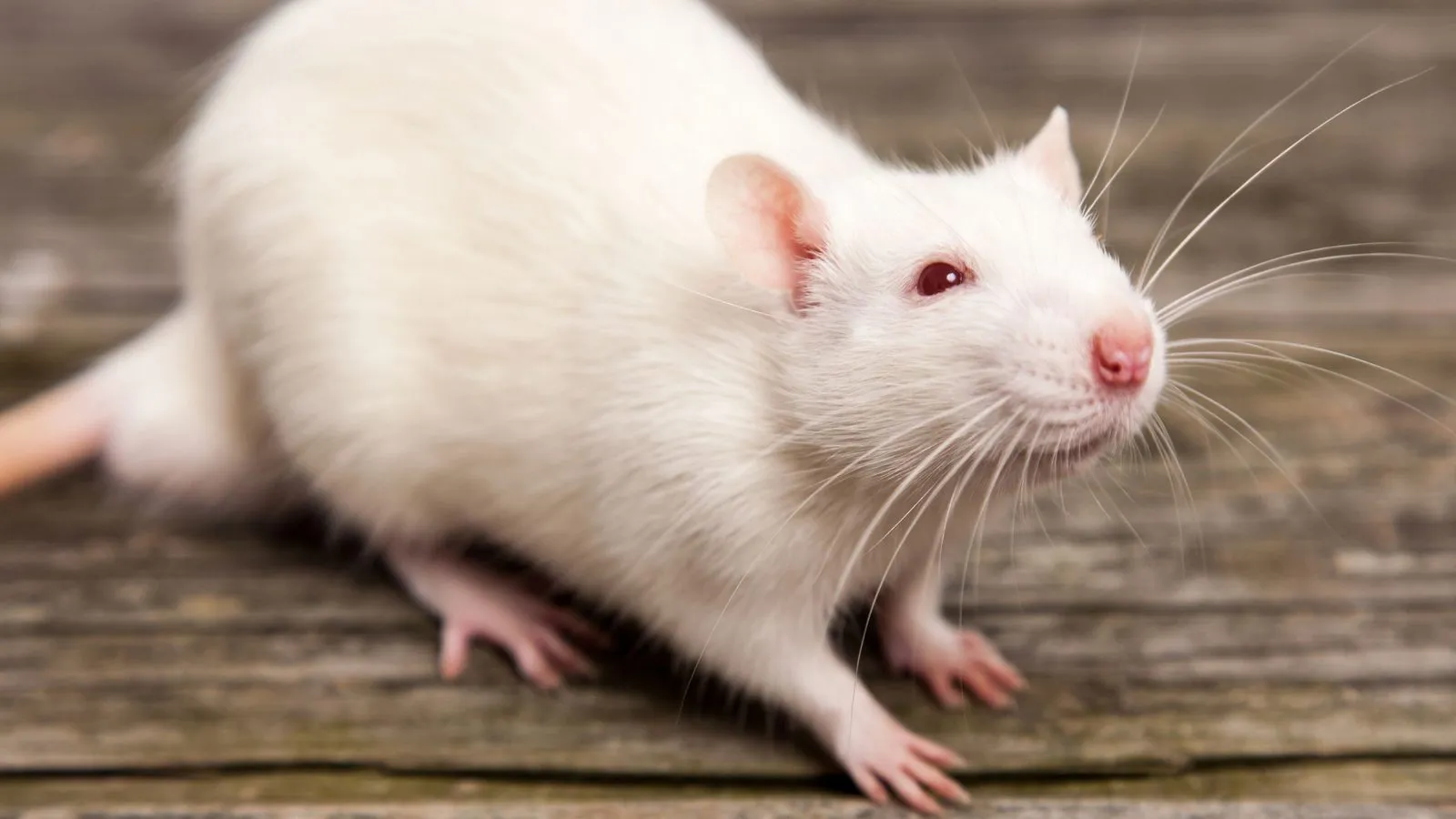
Rats surprise many people. The RSPCA describes them as highly intelligent and sociable animals that form close bonds with their cage-mates and their owners. They play together, eat together, look after older group members and sleep in a big heap. Because they are creatures of community, the RSPCA says rats should never be kept alone, usually living with another rat of the same sex.
Rats are nocturnal too, active through the night and at dawn and dusk. They have very sensitive hearing, so they are best kept away from noisy things such as vacuum cleaners, speakers and washing machines. The RSPCA suggests feeding and handling them in the morning and evening.
For people who want to hold their pet, rats have an edge. The RSPCA says rats are easier to handle than smaller rodents such as hamsters and often enjoy contact with people. Like all small animals, though, they can bite when frightened.
Their lives are short. Pet rats live around two to three years, though some live longer, and females usually outlive males. The RSPCA says each month of a rat’s life equals about 2.5 human years, so a 3-year-old rat is about 90 in human terms. The oldest recorded rat reached seven.
Matching a pet to a home
Each of these animals suits a different routine. A hamster is active when most people are asleep and, if it is a Syrian, lives alone. Gerbils are awake during the day but need to live in a pair or group. Rats need rat company and plenty of time with their owners, and are the easiest of the three to handle.
Whichever one fits, the RSPCA stresses that their needs are complex and that small rodents are easily injured by rough or careless handling. It says a grown-up should always be responsible for a hamster’s care, because looking after one is too much responsibility for a child.