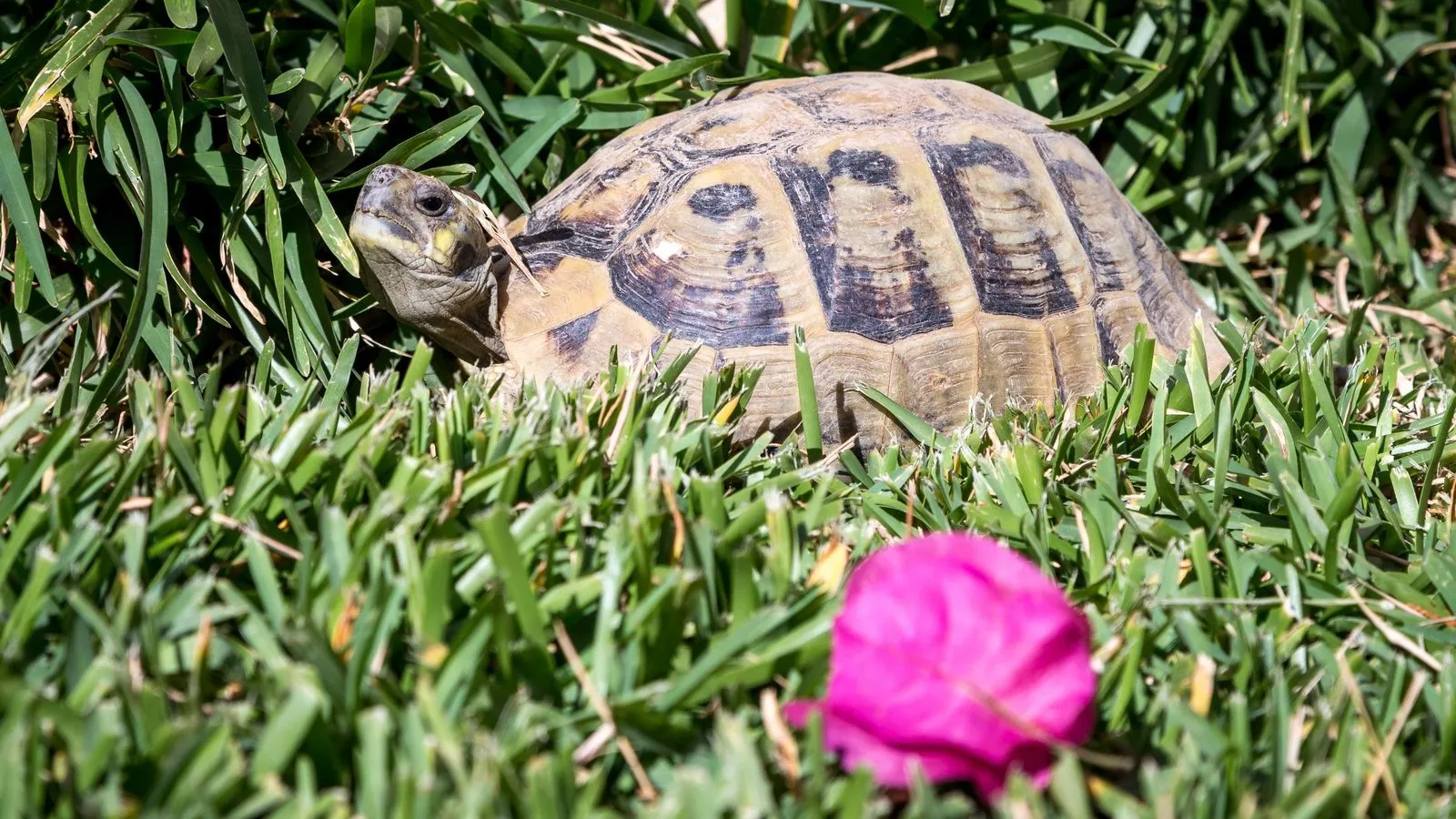
Many of the tortoises kept as pets can live for 50 to 100 years, and some species can pass a century. Taking one on means planning for decades, not years.
Lifespan depends on the species
PetMD, whose tortoise guide is written and reviewed by veterinarians, stresses that a tortoise’s lifespan depends heavily on its species. Its figures for common pets are:
- Hermann’s tortoise: 70 to 100 years
- Greek tortoise: 100 years or more
- Leopard tortoise: 100 years or more
- Horsfield’s, or Russian, tortoise: 50 to 100 years
- Sulcata tortoise: 30 to 50 years, with some reaching 120
- Red-footed tortoise: 25 to 50 years
The same guide notes that some species may live only 10 to 20 years in captivity, while the longest-lived tortoises can reach 150 years. Larger species usually outlive smaller ones, and genetics plays a part too.
Small tortoises, big tortoises
Size is the other thing to think about before choosing a species. According to VCA Animal Hospitals, Hermann’s, Greek and Russian tortoises are among the smaller species and generally reach no more than 10 inches when full-grown. They come from the Mediterranean region and do best in warm, dry conditions.
The sulcata is a very different prospect. It can grow to almost 3 feet long and, by 20 to 30 years of age, may weigh 150 pounds. Sulcata and leopard tortoises come from Africa and prefer dry surroundings. The red-footed tortoise, from Central and South America, needs a warmer, moister, more tropical setup. VCA’s advice is to research the different species and pick one that suits the space you can give it.
Care makes the difference
A long natural lifespan is no guarantee. PetMD warns that poor care is very likely to cause problems, and that pet tortoises often die of illnesses linked to the way they are kept.
The basics start with light and heat. VCA says every tortoise needs a source of ultraviolet (UV) light, and indoor tortoises also need a basking lamp. For Mediterranean species, the Royal Veterinary College in London says time in natural sunlight during summer matters, and it treats an outdoor enclosure as a requirement for long-term health.
Food matters as much. Wild Mediterranean tortoises mostly eat weeds, so the college recommends that weeds such as dandelions, sow thistles, plantains, chickweed and bindweed make up more than 70 percent of a pet’s diet. It also advises keeping different species apart because of the risk of spreading disease, and notes that tortoises are generally happiest on their own. It recommends a health check with a vet every year.
The hibernation question
Some Mediterranean tortoises hibernate through winter and some do not, depending on the subspecies. The college points out that certain spur-thighed tortoises from North Africa and southern Turkey do not hibernate at all, so it is important to know exactly which type you have. Because hibernation is a complicated subject, the college advises owners to get professional advice before their tortoise hibernates.
The tortoise that outlived everyone
For a sense of how long a tortoise can live, look at Jonathan. He is a Seychelles giant tortoise living on the small island of Saint Helena in the Atlantic Ocean. In December 2023, Smithsonian Magazine reported that he had celebrated his 191st birthday, extending his record as the oldest tortoise, turtle or terrapin ever documented and holding the title of oldest living land animal.
Nobody knows his exact age. Jonathan was already fully grown when he arrived on the island from the Seychelles in 1882, which experts said meant he was at least 50 years old. He was later given an official birthday of December 4, 1832, though experts think he may be even older. By then he had lost his sense of smell and was almost blind from cataracts, but his vet said his appetite was still keen. Seychelles giant tortoises have an average life expectancy of 150 years, so even by their standards Jonathan is exceptional.
Planning for the long haul
All of this adds up to a simple message for anyone thinking about a tortoise. Choose the species carefully, set up the right light, heat and diet from the start, and be ready for a pet that may outlive you. PetMD even suggests that owners may need to include their tortoises in their wills.