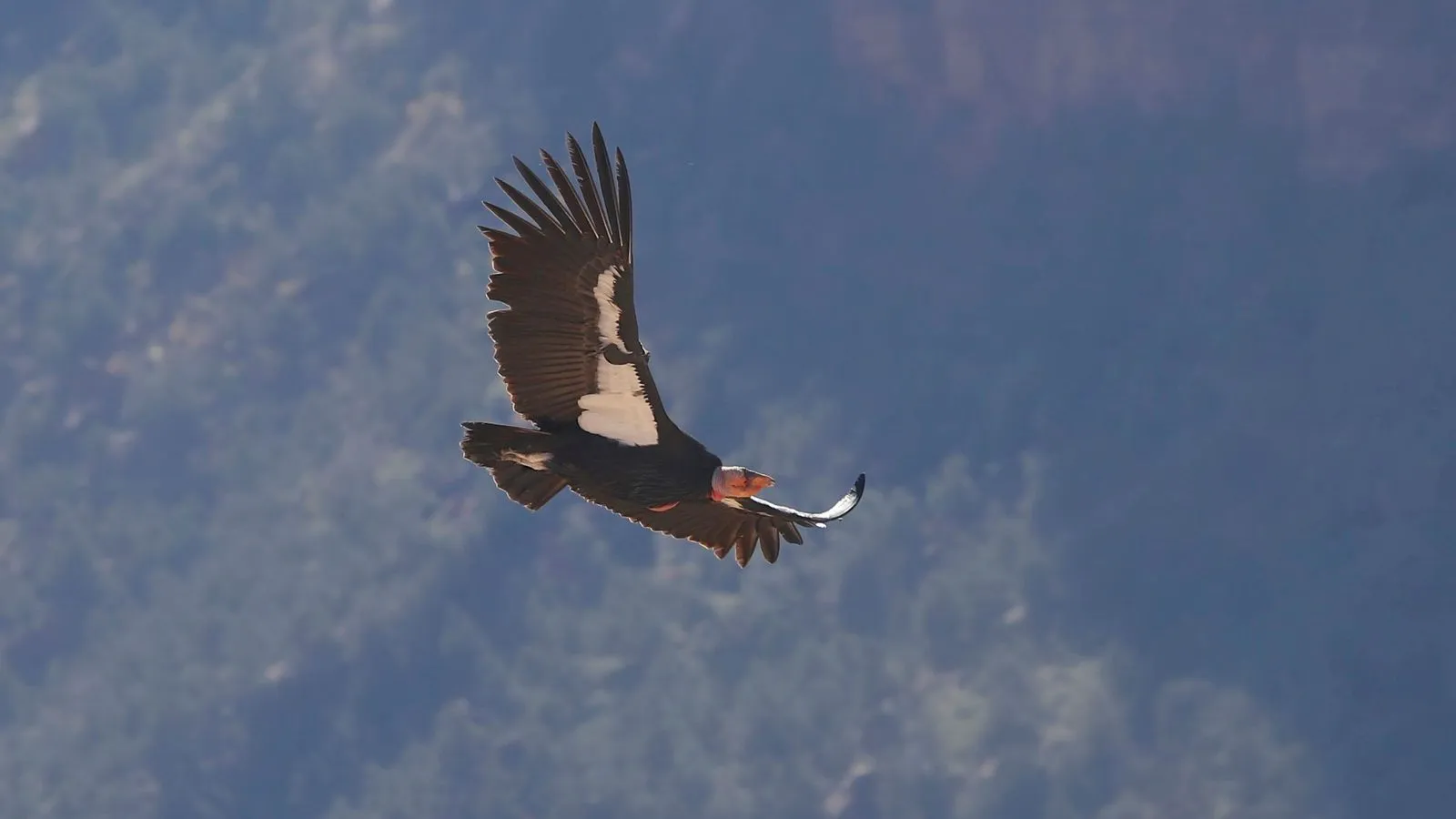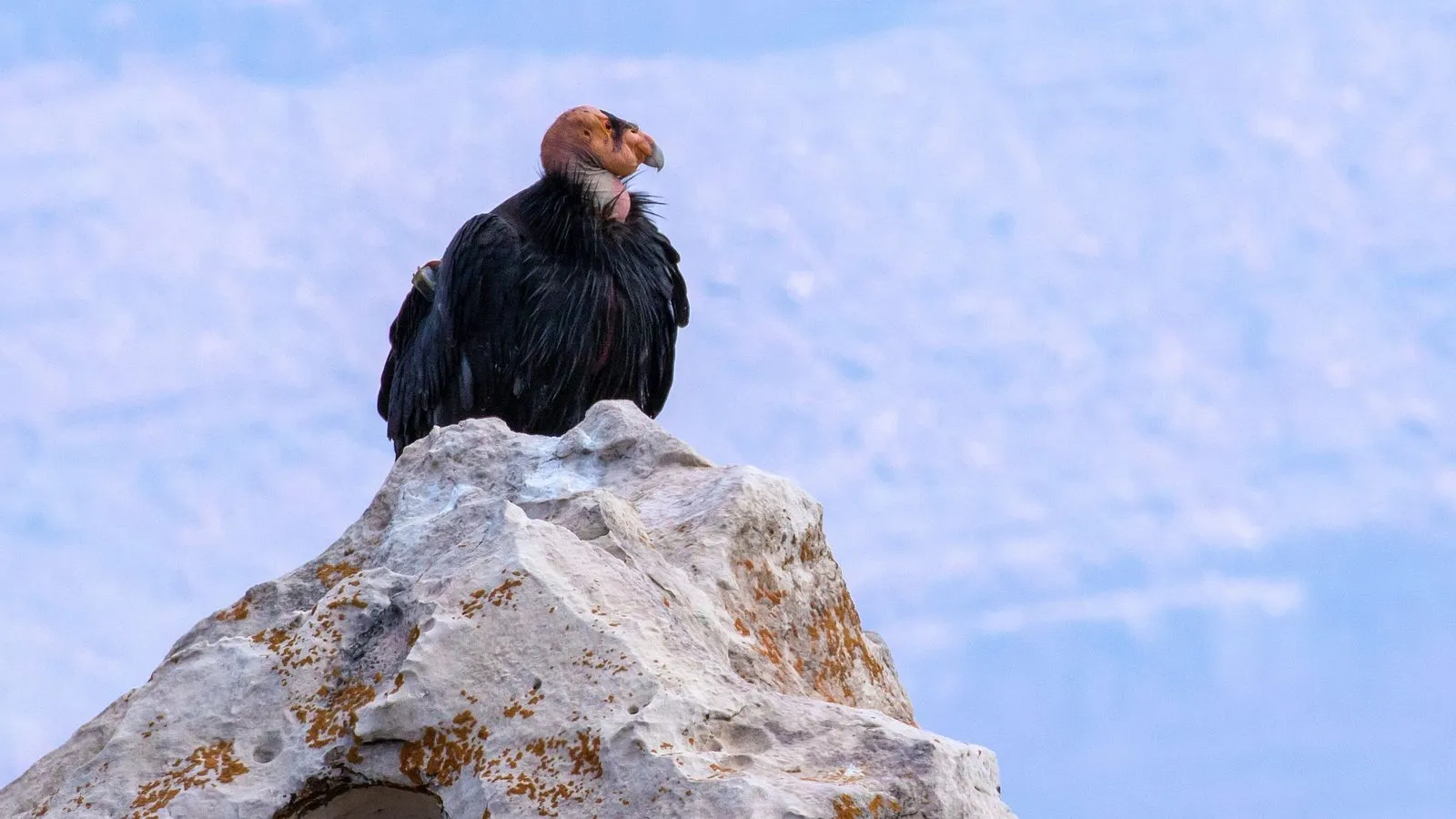
In 1987, the last wild California condor was caught and taken into a breeding program run with two zoos. By 2022, there were 561 condors, and 347 of them were flying free. That turnaround shows one of the biggest things modern zoos do for endangered animals: they keep a species going when the wild can no longer hold it, then help put it back.
Saving the condor
By 1982, only 22 California condors survived in the wild, according to the U.S. Fish and Wildlife Service. A captive breeding program began in 1983, with the Service working alongside the Los Angeles Zoo and the San Diego Wild Animal Park. On April 19, 1987, the last wild condor was captured in California.
The breeders used a clever trick. They removed eggs as soon as they were laid, which prompted the birds to lay a second and sometimes a third egg. The removed eggs were hatched in incubators, and the chicks were raised using hand puppets designed to look like grown condors.
Captive-bred condors were first released in California in January 1992. In 2022, the Fish and Wildlife Service counted 561 condors, with 347 in the wild and 214 in captivity. That is a long way from the 22 wild birds left in 1982.
Back from “extinct”: the black-footed ferret
North America’s only native ferret was once thought to be extinct in the wild. Then, in 1981, a small population was discovered. The Smithsonian’s National Zoo says the last 18 wild ferrets were caught between 1985 and 1987 to start a breeding center in Wyoming.
In 1988, the National Zoo became the first place to receive offspring from those 18 animals and breed black-footed ferrets outside Wyoming. As of May 2021, 1,029 ferrets had been born at the Smithsonian Conservation Biology Institute in Front Royal, Virginia, including 139 born by artificial insemination.
Before release, young ferrets go through “preconditioning,” which gets them used to living in burrows so they have a better chance of surviving in the wild. About 4,500 ferrets have been released since the program began, and there are now 28 reintroduction sites across parts of the United States, Canada and Mexico.
The work keeps pushing into new science. In 2024, a cloned black-footed ferret named Antonia gave birth to two healthy kits at the Smithsonian’s facility in Front Royal. It was the first time a cloned endangered animal had given birth in the United States.
Breeding plans and studbooks
Rescues like these depend on careful record-keeping. In North America, the Association of Zoos and Aquariums (AZA) runs what it calls Species Survival Plan programs. There are nearly 300 of them, each focused on a particular species or subspecies.
Each program keeps a studbook, a detailed record of the animals in the zoo population. It also writes a Breeding and Transfer Plan that sums up the population’s genetics and numbers, then recommends which animals should breed and which should move between zoos. The goal is a zoo population that stays healthy, genetically diverse and stable for the long term.
Work beyond the zoo walls
Breeding animals in zoos is only half the job. The AZA says its Species Survival Plans focus on managing animals inside zoos and aquariums, while a separate effort called SAFE, short for Saving Animals From Extinction, targets conservation results in the wild.
SAFE brings together the expertise of accredited zoos and aquariums, their partners and the people who visit them. It builds on existing recovery plans, encourages zoos to work together and measures progress. The species it focuses on include large, familiar animals such as African elephants and black rhinos, as well as the black-footed ferret, the California condor, the vaquita, corals, freshwater mussels and the American burying beetle.
Why habitat still matters
Zoos cannot solve every problem on their own. A released animal needs somewhere safe to live. For the black-footed ferret, the National Zoo names the biggest threat as a lack of suitable habitat and the continued decline of prairie dogs, which make up 90 percent of a wild ferret’s diet.
That is why protecting habitats is one of the aims SAFE lists alongside supporting wild populations and working with communities. The condor and the ferret both show that a species can be pulled back from the edge. They also show that it takes decades of patient work, and that the job is not finished when the animals leave the zoo.