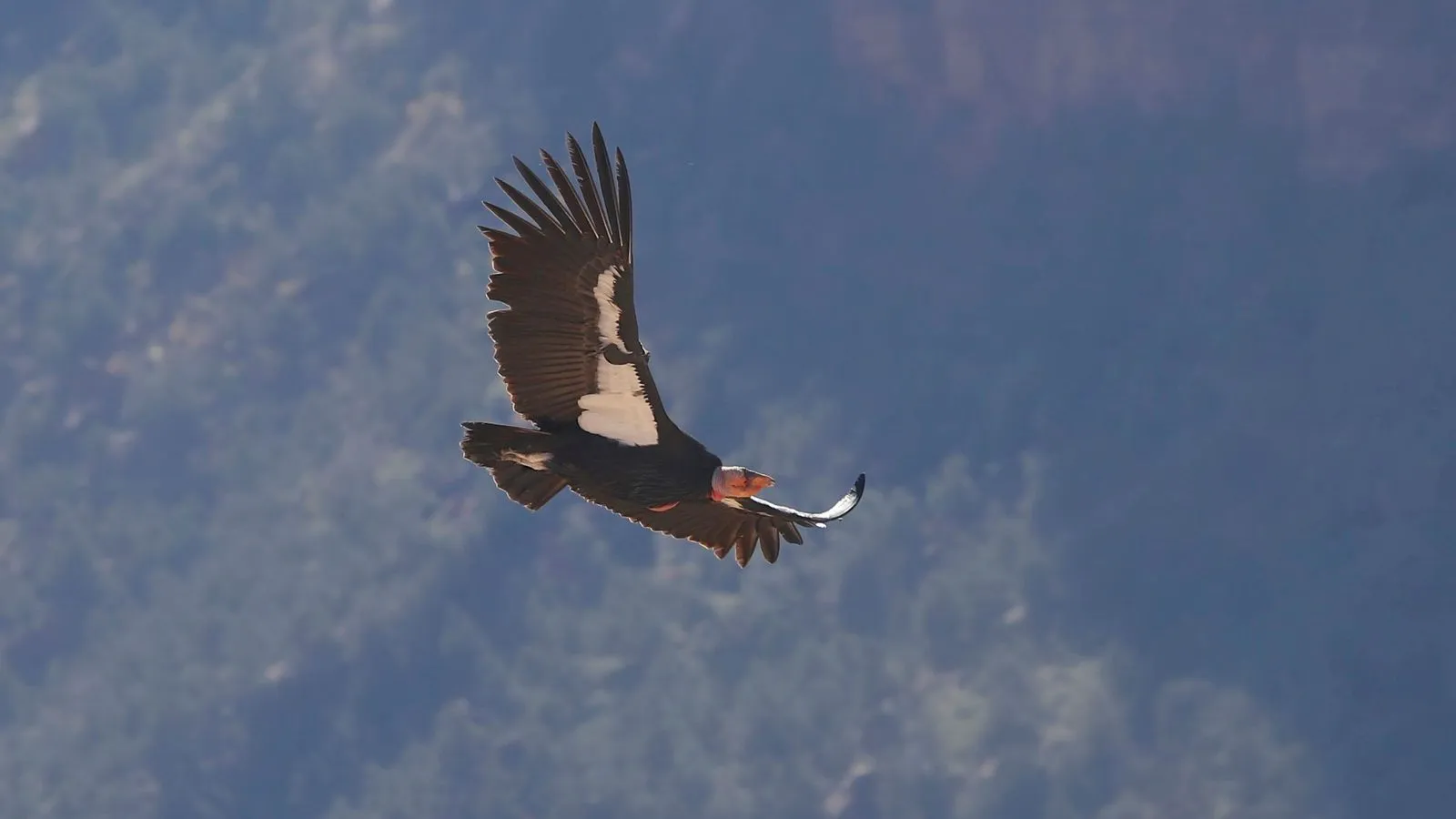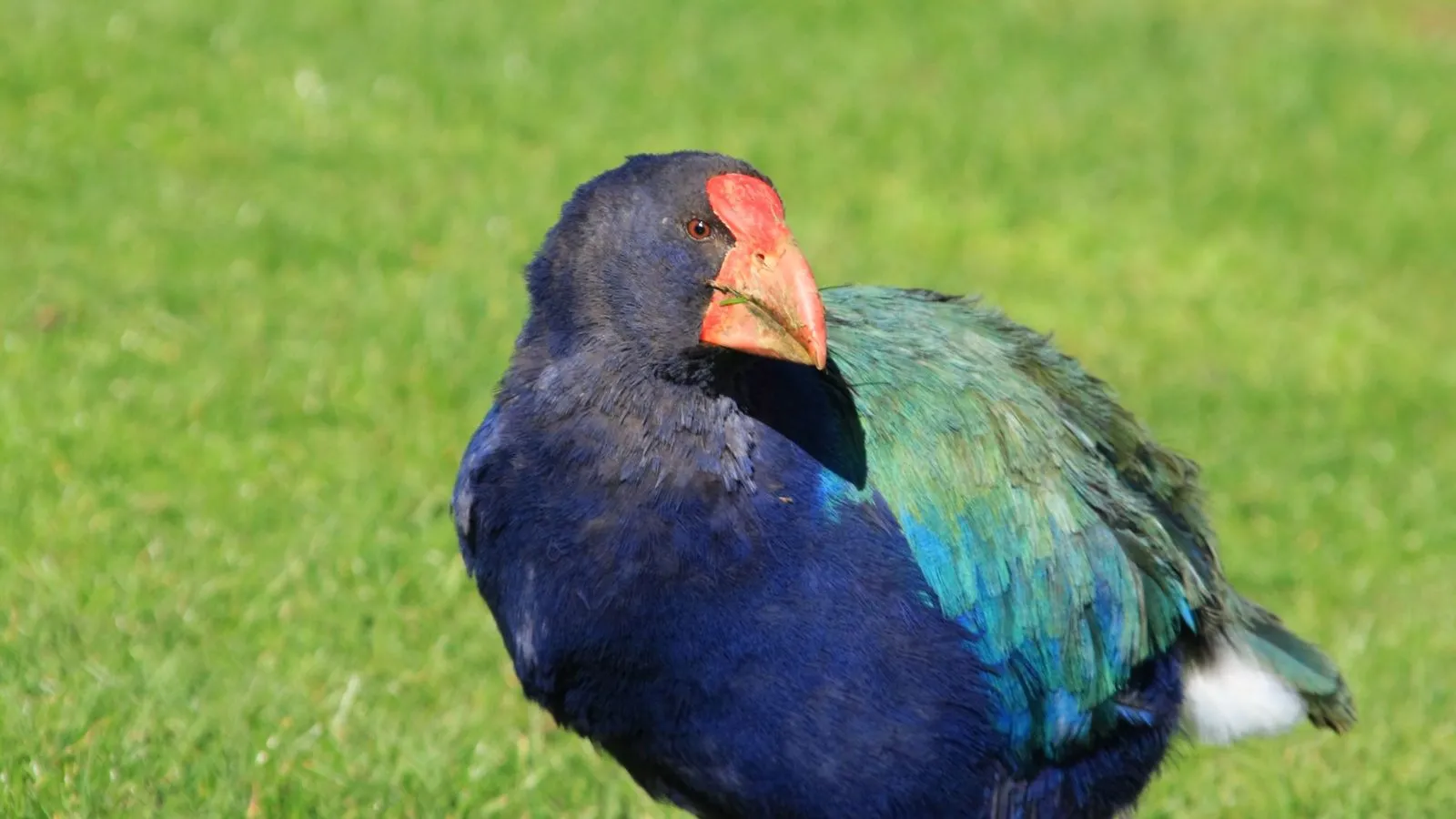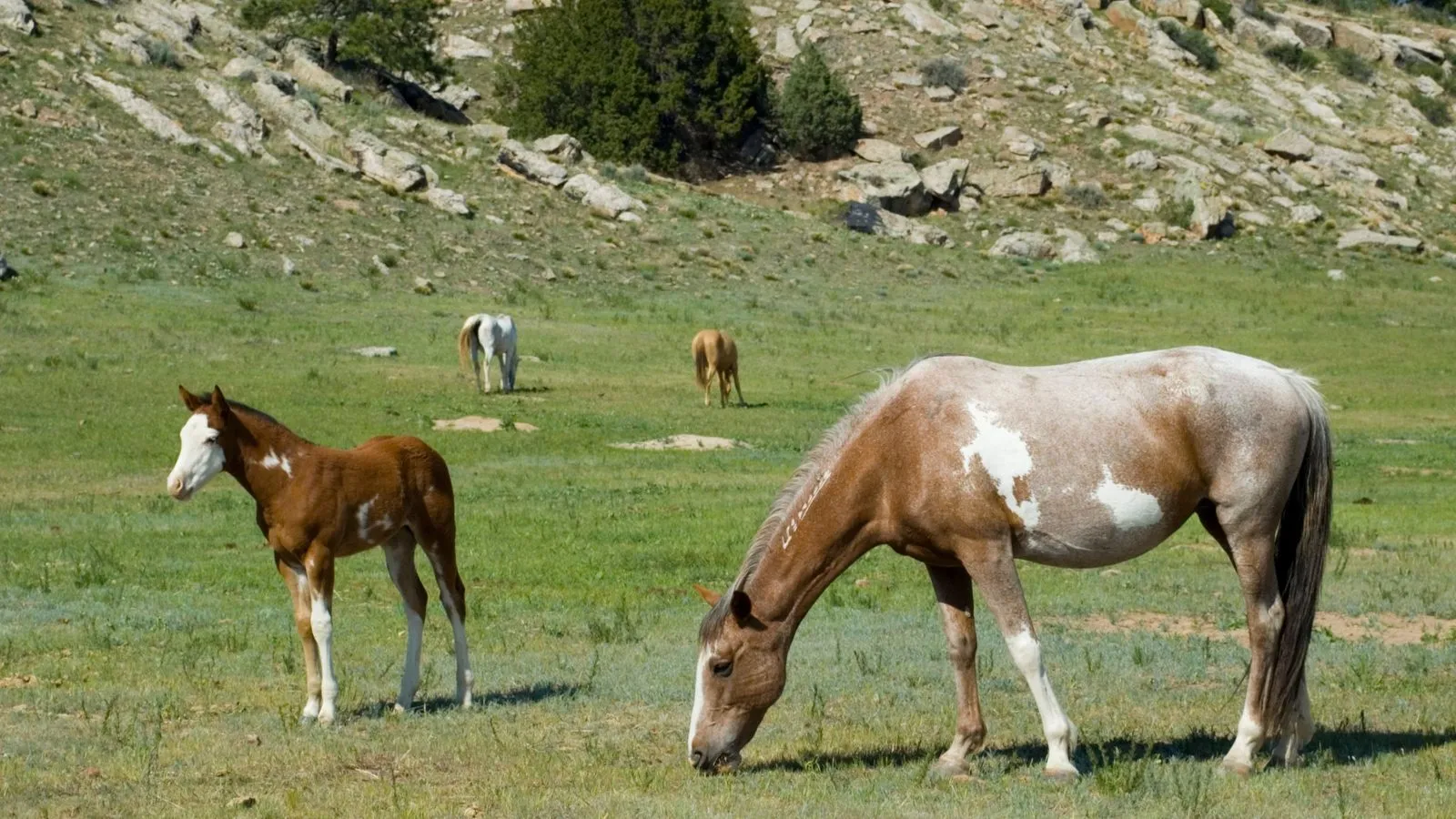
The biggest difference is what happens to the animals. A true sanctuary gives rescued animals a home for the rest of their lives and does not breed, buy or sell them. A good zoo breeds animals on purpose, under careful plans, to keep healthy populations and help species survive.
What a sanctuary is for
The Global Federation of Animal Sanctuaries (GFAS) describes itself as the only globally recognized body that certifies facilities against its Standards of Excellence. It accredits groups that care for wildlife, horses and farmed animals.
GFAS separates three kinds of places. A sanctuary provides lifetime care for animals that have been abused, injured or abandoned. A rescue and transition center gives temporary care, aiming for adoption, foster homes or a move to a sanctuary. A rehabilitation center treats wild animals for a while, with the goal of releasing them back into their native habitat.
The common thread is that the animals are there because they need help, not because they will draw a crowd.
The sanctuary rules
To be accredited by GFAS, an organization must run on a nonprofit or non-commercial basis. It must actively prevent breeding. It must not buy, sell or trade animals, or sell animal products.
Visitors are treated differently too. GFAS warns that direct public contact with wildlife, such as touching, holding or feeding, can put both animals and people in danger. Where tours are allowed, they should be guided and designed to limit stress on the resident animals. GFAS also says a true sanctuary carries out no invasive research and does not remove wild animals for exhibition, education or research.
Not every “sanctuary” is real
Anyone can use the word. GFAS points out that any commercial operator or roadside menagerie can call itself an animal sanctuary. It warns that the public is often led to believe that any place holding captive animals, especially exotic wild ones, is a sanctuary.
According to GFAS, the operators of these “pseudo-sanctuaries” take advantage of that confusion to buy and sell wildlife and to raise money from people who do not know better. It presents its own accreditation as a seal of approval that donors can rely on.
What makes a good zoo
Zoos have their own standards. In the United States, the main one is accreditation by the Association of Zoos and Aquariums (AZA), a nonprofit founded in 1924 under an earlier name.
According to Zoo New England, accredited zoos go through a six-month review and an on-site inspection by a team of experts. The reviewers look at animal care, veterinary care, exhibits, safety, finances, staff, and education, conservation and research work. Accreditation must be renewed every five years. Brevard Zoo adds that education is a core part of it.
The bar is high, and most places that show animals do not meet it. Both zoos note that fewer than 10 percent of the roughly 2,800 animal exhibitors licensed by the U.S. Department of Agriculture hold AZA accreditation.
Breeding: the clearest dividing line
This is where the two kinds of places differ most. Sanctuaries work to prevent breeding. Accredited zoos, by contrast, manage breeding closely. The AZA runs nearly 300 Species Survival Plan programs. Each one writes a breeding and transfer plan that tracks the genetics and numbers of a species across many zoos and recommends which animals should breed and which should move.
Neither approach is better in every case. They are built for different jobs. A zoo’s breeding program aims to keep a healthy, genetically diverse population of a species for the long term. A sanctuary’s purpose is to look after individual animals that have nowhere else to go, for as long as they live.
How to tell them apart
For anyone planning a visit or a donation, a few questions help. Does the place breed animals, and if so, is it part of a managed conservation program? Does it buy or sell animals? Can visitors handle or feed wild animals? And is it accredited by a recognized body such as GFAS or the AZA?
A place that lets you cuddle a wild animal and calls itself a sanctuary is not meeting the standards GFAS sets, whatever its sign says.