The most endangered animals by the number left in the wild
Ten endangered animals ranked by how many are left in the wild, fewest first, each from the latest published count or estimate, most of them made in 2024 or later.
Animals left in the wild, latest count for each species
Animals in the wild. Where the count is a range, the bar shows the top of the range.
| Rank | Animal | Left in the wild |
|---|---|---|
| 1 | Vaquita7 to 10 seen in the 2025 survey of the northern Gulf of California, a minimum | 10 |
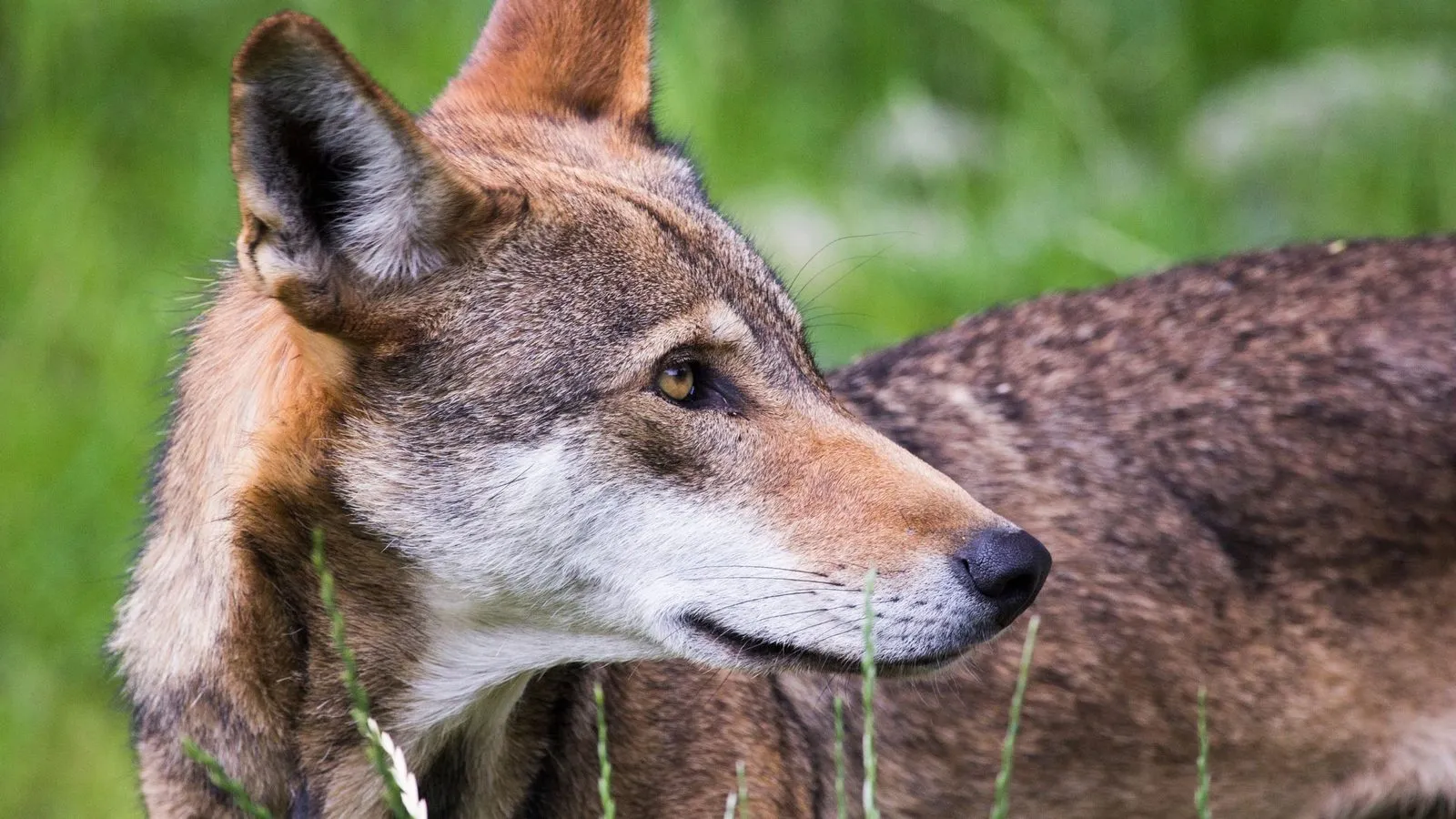
| 2 | Red wolf22 to 23 adults and young adults plus 14 to 15 pups, August 2026 | 38 |
| 3 | Hainan gibbon44 in seven family groups, all in Hainan Tropical Rainforest National Park, China | 44 |
| 4 | Javan rhinoAbout 50, all in Ujung Kulon National Park on the island of Java, after up to 26 were poached from 2019 to 2023 | 50 |
| 5 | Amur leopard129 to 130 mature leopards in the Russian Far East and northeast China | 130 |
| 6 | Kākāpō325 birds after 90 chicks from the 2026 breeding season were added | 325 |
| 7 | North Atlantic right whale384 whales estimated for 2024 (somewhere between 375 and 394) | 384 |
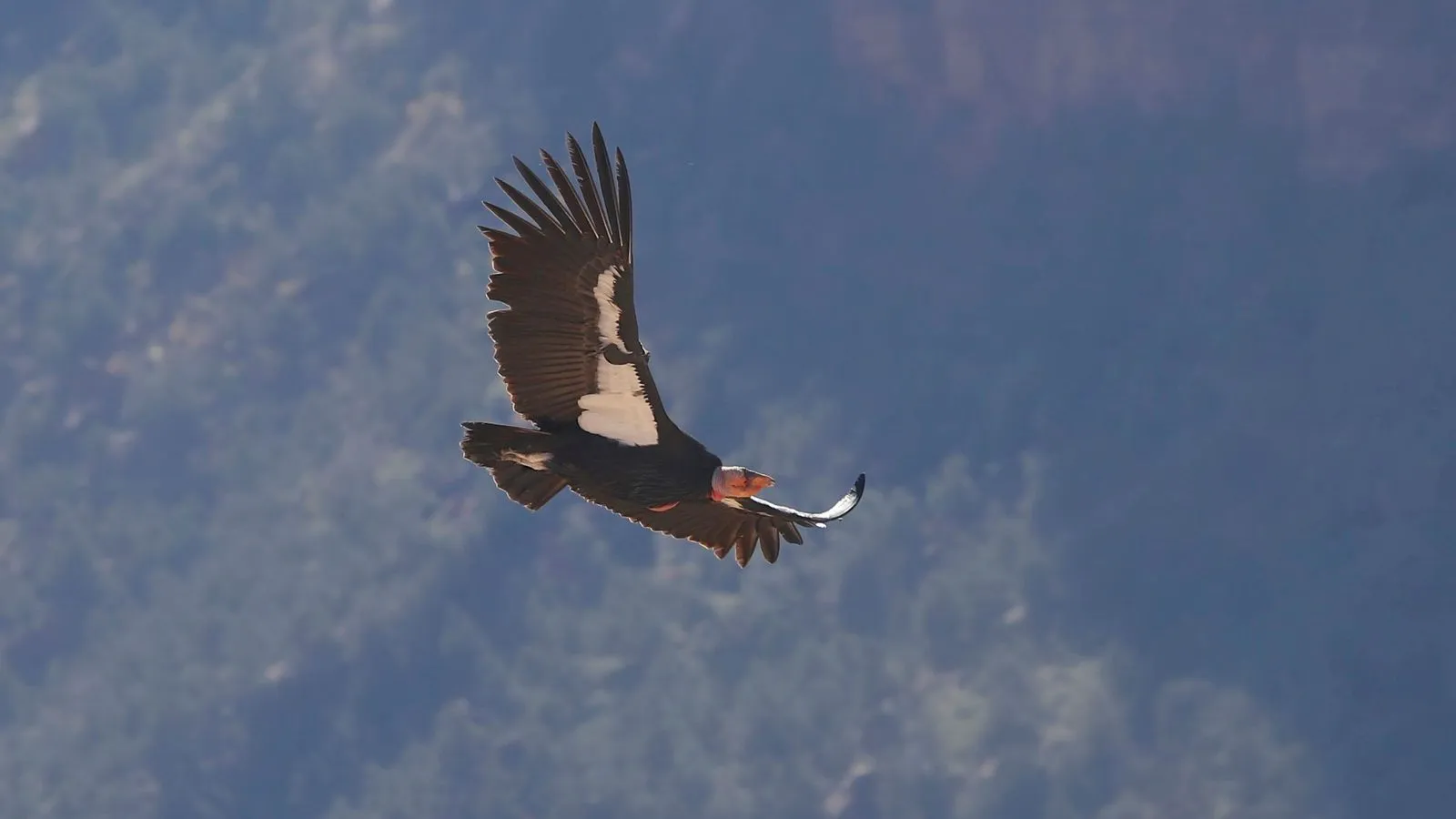
| 8 | California condor392 flying free in California, Arizona, Utah, the Pacific Northwest and Baja California at the end of 2025 | 392 |
| 9 | Whooping crane540 estimated in the Aransas-Wood Buffalo flock's main winter area on the Texas coast | 540 |
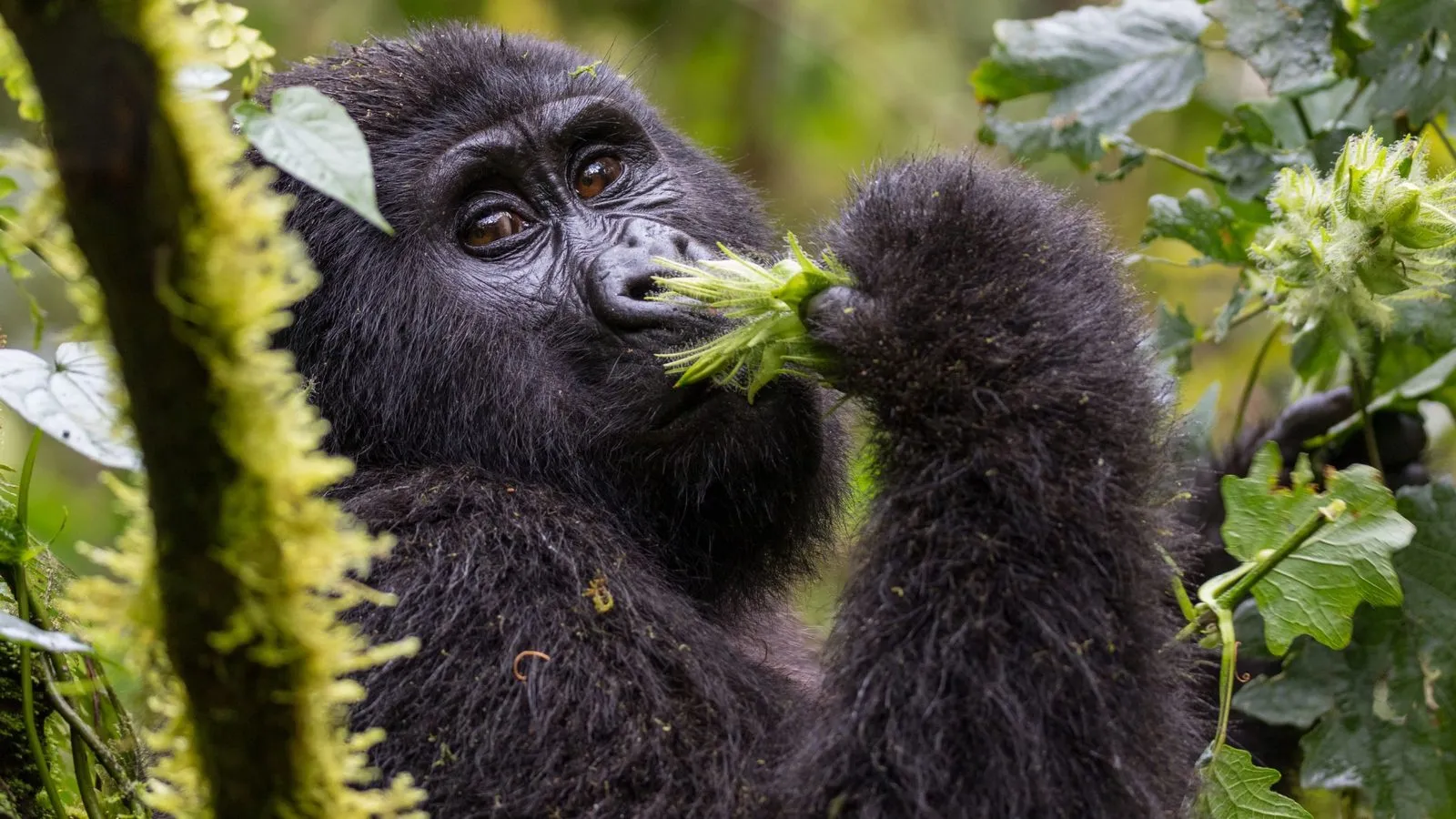
| 10 | Mountain gorilla1,063 known: 604 in the Virunga volcanoes (2016) and 459 in Bwindi-Sarambwe (2018) | 1,063 |
The vaquita, a small porpoise that lives only in the far north of the Gulf of California in Mexico, is the rarest animal on this list. The 2025 survey team put the number they saw at between 7 and 10, and calves were seen.
The red wolf, the Hainan gibbon and the Javan rhino come next, each with about 50 or fewer in the wild. At the other end of the list, the mountain gorilla numbers 1,063, from counts made in 2016 and 2018.
What the figures include
Each number is the latest one published for that animal by survey groups, wildlife services, national parks and conservation bodies. Counts are made in different years and in different ways, so the year of each count is shown beside it. For the mountain gorilla, the newest full count is still the one from 2016 and 2018; a new count in Bwindi began in May 2025 and its result has not been published.
The numbers count every animal of the species in the wild, young ones included, and leave out animals kept in zoos and breeding centres. The Amur leopard is the exception: its figure counts grown leopards only. Where the source gives a range, the table shows the range and the bar shows its top figure. The vaquita figure is how many different animals the survey team saw, which they treat as the least there could be. The whooping crane figure covers the Aransas-Wood Buffalo flock in its main winter area only; the survey team saw many more cranes outside that area, so the true number is higher.
Only animals with a recent count of individuals are ranked; animals known only from wide estimates are left out. Some of these animals are slowly recovering: the kākāpō's 2026 total is the highest of its modern recovery.
Article Sources
- IUCN SSC Cetacean Specialist Group and partners, Vaquita Research Campaign 2025: Report of the September Vaquita Survey
- U.S. Fish and Wildlife Service, Red Wolf Recovery Program
- China News Service, National Forestry and Grassland Administration figures on rare species (Hainan gibbon), 22 May 2026
- International Rhino Foundation, State of the Rhino 2025
- IUCN Red List, Panthera pardus (Leopard), assessment of 29 November 2023 (Amur population)
- New Zealand Department of Conservation, Kākāpō population reaches new milestone, 1 September 2026
- North Atlantic Right Whale Consortium, 2025 Annual Report Card
- U.S. Fish and Wildlife Service, California Condor Recovery Program, 2025 Annual Population Status
- U.S. Fish and Wildlife Service, Whooping Crane Survey Results: Winter 2025-2026
- Greater Virunga Transboundary Collaboration, Bwindi-Sarambwe mountain gorilla population grows to 459; global count now stands at 1,063