POWERCHINA’s biodiversity protection work in Colombia and Egypt includes plant conservation, wildlife relocation and habitat connectivity at clean energy projects. At its 250.8 MWp Santander solar project in Colombia, the company reports transplanting 3,382 epiphytic plants and rescuing or relocating 2841,186 wild animals. The work also includes four wildlife passages at the Guayepo 3 solar project and species-specific protections for Egyptian spiny-tailed lizards at the 500 MW Amunet wind project. Construction at Santander began in April 2026.
Plant Care At Santander
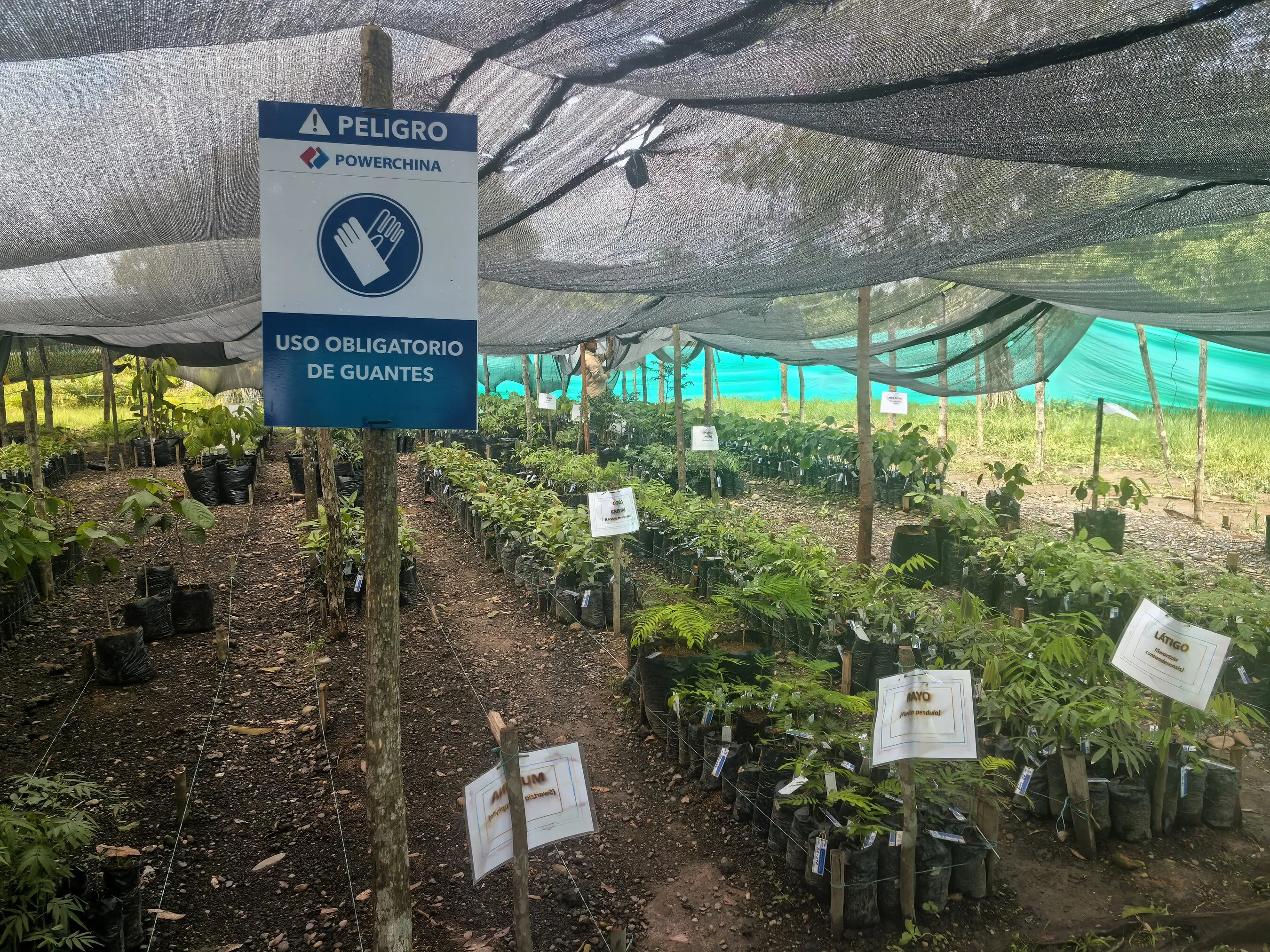
A dedicated ecological team of eight biological specialists and one veterinarian supports Santander. The project has a 500-square-metre exclusive nursery conservation area, where the team conducts plant surveys, operates the nursery and maintains individual records for rescued epiphytic plants.
Each plant receives an identification code for tracking through collection, nursery care, transplantation and subsequent monitoring. To date, all 3,382 rescued epiphytic plants have been successfully transplanted to suitable alternative locations.
Passages And Nesting Birds
Infrared camera monitoring at POWERCHINA’s Guayepo 3 solar project has informed four dedicated wildlife passages connecting habitats separated by project infrastructure. Construction schedules also accommodate nesting birds.
When workers discover nests or eggs, affected areas are protected and work is suspended locally until the birds leave naturally.
Lizard Protection In Egypt
At the 500 MW Amunet wind project in Egypt, specialists inspect burrows and capture Egyptian spiny-tailed lizards without injury. The animals receive temporary care before phased releases into suitable habitats, followed by monitoring to assess relocation outcomes.
The project also optimizes turbine, road and transmission-line layouts to minimize disturbance to desert surfaces and wildlife habitats.
Conservation Across Projects
At Santander, biodiversity protection follows local environmental permit requirements and the project’s environmental management plan. POWERCHINA has held project briefings for local communities, government agencies and other stakeholders with land rights, alongside ecological education activities in local communities and schools.
The company plans to continue plant and wildlife stewardship, ecological monitoring, habitat restoration and related work across international renewable energy projects. It is also integrating ecological protection requirements into planning, construction and operation phases in South Africa, Côte d’Ivoire, Laos and Poland.