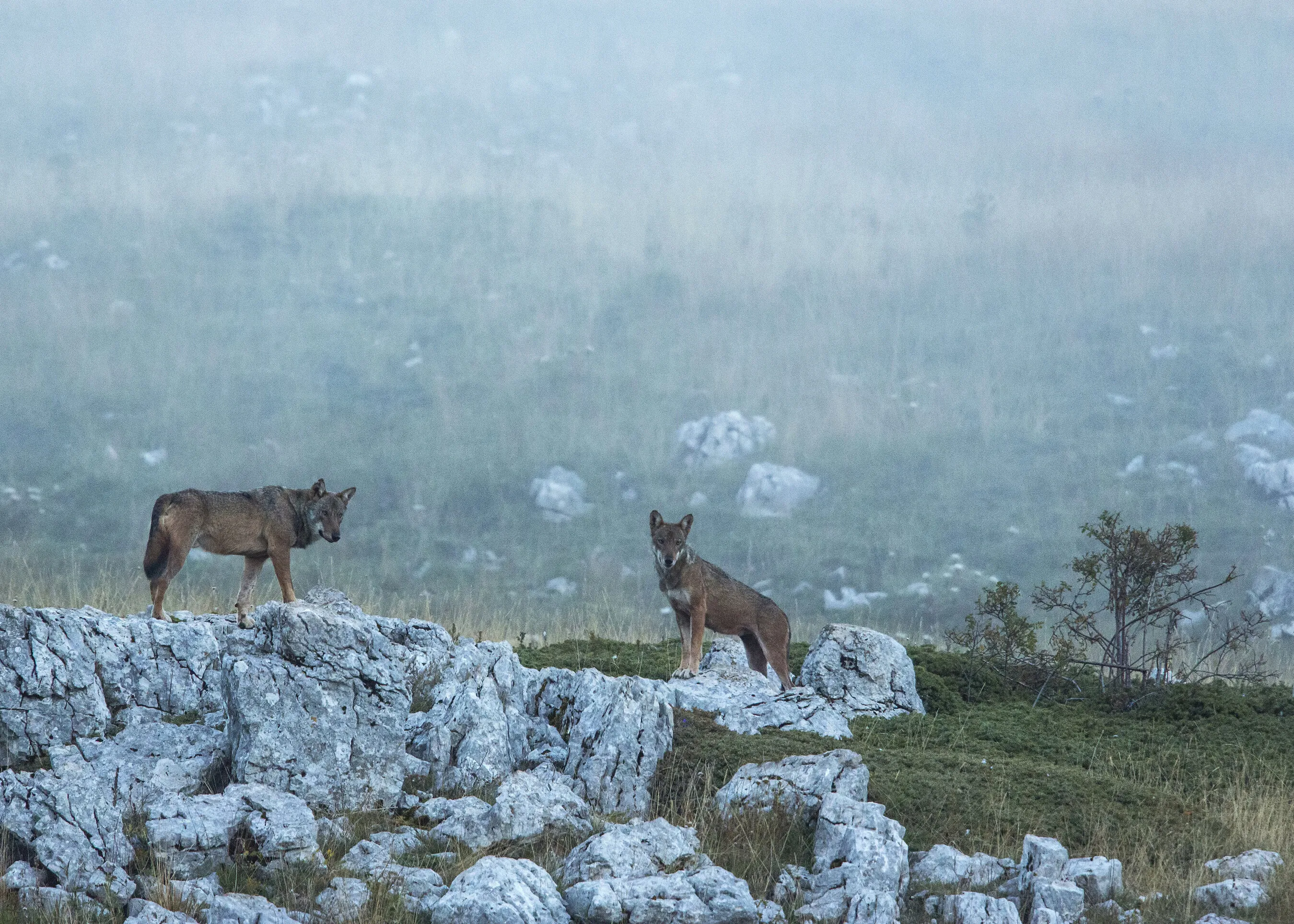
Much Better Adventures has launched The Wildlife Collection, a line of small-group wildlife trips that includes tracking gorillas in Rwanda, wolves in the Italian Apennines and snow leopards in the Indian Himalaya. The conservation-led itineraries invite travelers into wild ecosystems and landscapes. Trips range from 3 to 11 nights and include hiking, canoeing and exploration with naturalist guides. The company developed an animal welfare policy for the collection with World Animal Protection.
Wildlife Trips Beyond The Crowds
The Wildlife Collection favors lesser-known locations and quieter wildlife encounters away from well-known hotspots. Experiences range from whale watching and sloth-spotting in Costa Rica to tracking Eurasian bison in the Romanian Carpathians, where the animals were reintroduced by the WWF in 2014. Accommodations include camping, huts, guesthouses, lodges, small hotels, and locally and independently owned properties.
Emma Cambers, Wildlife Expansion Manager at Much Better Adventures, said:
“I am delighted to be working with local specialists to launch the Wildlife Collection. There is clear demand from existing and new travelers for active wildlife adventures and we’re delivering something completely new to the market with our conservation-led itineraries to lesser-known locations across the globe.”
Animal Welfare Policy
Each trip focuses on conservation and, in many cases, visits local initiatives working to protect the wild places where it takes place.
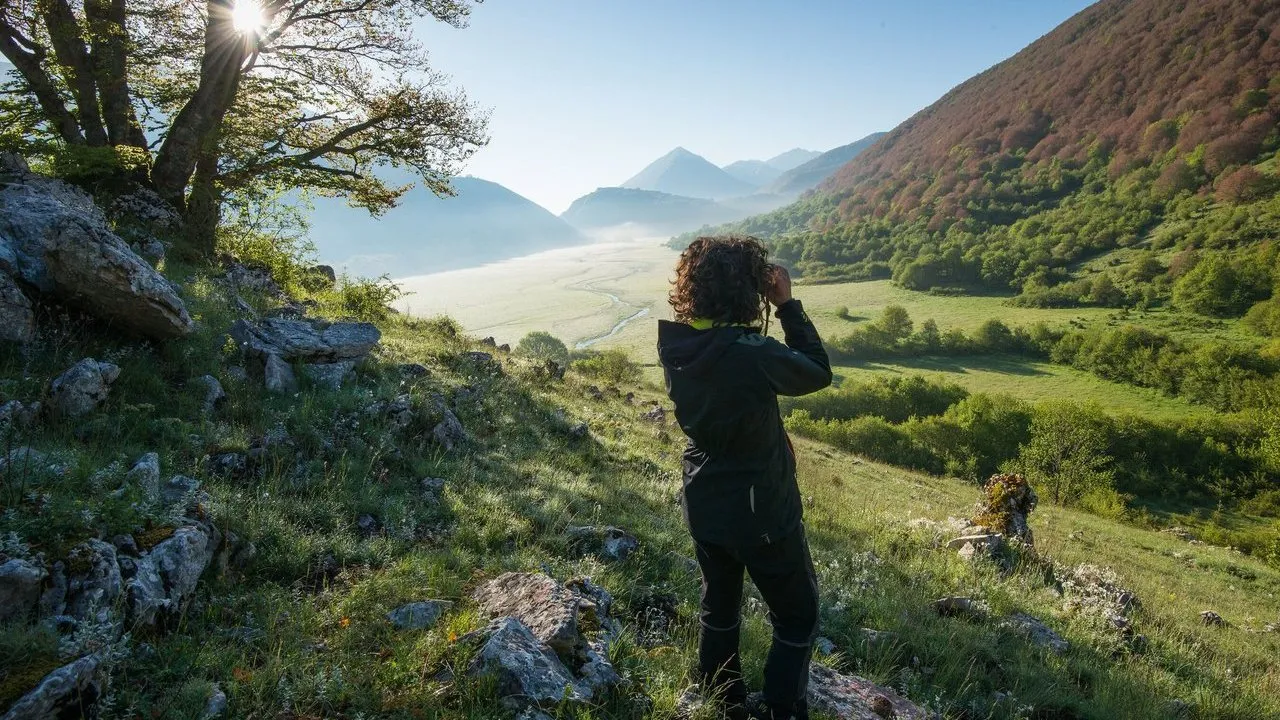
Wolf Tracking in Italy.
Katheryn Wise, Wildlife Campaign Manager at World Animal Protection UK, said:
“World Animal Protection was happy to provide guidance to Much Better Adventures on their Animal Welfare Policy. The tourism industry can play such an important role in wildlife protection, and we welcome the efforts of Much Better Adventures to be part of this movement.”
Support For Wild Places
Five percent of revenue from every trip supports the purchase of community-managed land in high-biodiversity habitats through the company’s partners, World Land Trust.